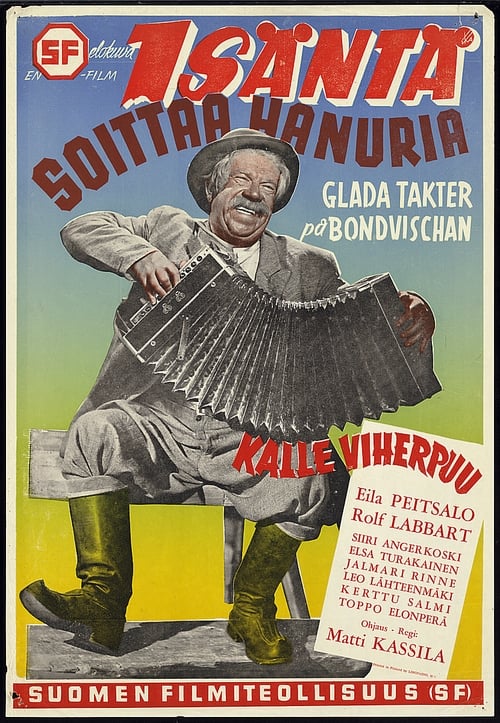
Isäntä soittaa hanuria
1949
No user ratings available yet
Representation score: 0.4 out of 10
Representation Score
Limited
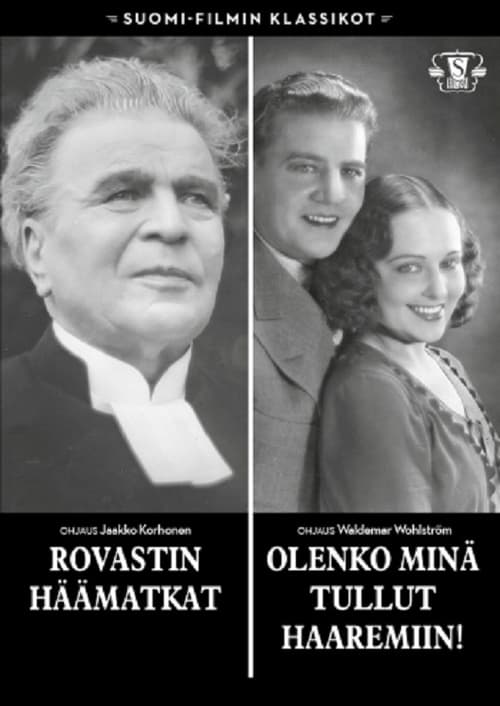
1931
SDirector
Jaakko Korhonen
Runtime
107 minutes
Average Rating
No ratings yetNew Showbiz Analysis
Rovastin häämatkat is a product of its historical era, functioning as a traditional comedy that reinforces the social and institutional norms of early 1930s Finland. The narrative relies on established social frameworks and conventional romantic clichés. While the film offers minor disruptions of male competence by portraying a priest with comedic ineptitude, it lacks complexity in reflecting multiple aspects of identity. The characters and settings reflect a highly homogeneous society typical of the period. Ultimately, the work serves to uphold traditional values regarding marriage and social stability rather than offering a systemic critique of the era's hierarchies.
Category Breakdown
The film focuses on traditional romantic pairings and the matchmaking of Elina and the local doctor. There is no indication of LGBTQ+ identities or narratives that challenge the assumption that everyone is straight or cisgender.
Ruustinna demonstrates a significant role in driving the story through her social orchestration and matchmaking efforts. While the male priest's memory loss disrupts the archetype of the infallible patriarch, the plot remains centered on traditional courtship.
The production reflects the demographic homogeneity of 1931 Finland. The narrative centers on a culturally homogeneous social circle with no mention of diverse ethnic backgrounds.
The story engages with the Church and medical professions through a comedic lens. It reinforces traditional communal values and social etiquette rather than critiquing these institutions.
Jaakkola’s cognitive lapses serve as a primary driver for the plot. These traits function as a comedic device for farce rather than a nuanced exploration of neurodivergence.
Present on Screen
Limited or Absent
Official Synopsis
Jaakkola, a priest with a bad memory, gets a prescription for a spa day from Dr. Viljo. Ruustinna plans to bring her daughter Elina and the local doctor together. Jaakkola finds the mail he forgot in his pocket, including an important wedding invitation. Rovasti and Ruustinna plan to stop at the wedding on the way to the spa, but things get complicated and there are enough misunderstandings in the knots of love.
1949
1962
1941
1976
1977
1982
1955
1983
No reviews yet. Be the first to share your thoughts on this movie!
Use the rating form above to leave a star rating and optional review.