
The Child I Never Was
2002
No user ratings available yet
Representation score: 4.8 out of 10
Representation Score
Limited
1973
Not RatedDirector
Ulli Lommel
Runtime
82 minutes
Average Rating
No ratings yetNew Showbiz Analysis
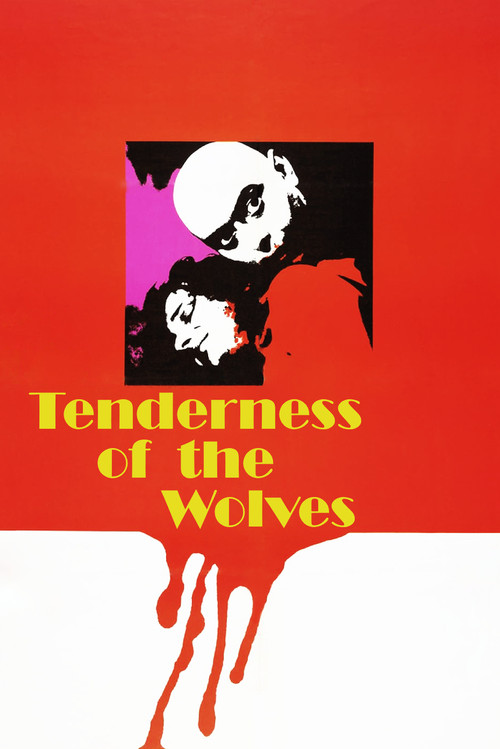
Tenderness of the Wolves is a period-specific psychological study that prioritizes historical accuracy and genre clichés over demographic inclusivity. It successfully deconstructs the social order of the interwar years, using the Butcher of Hanover case to highlight systemic instability. However, the film's focus is narrow. The narrative is dominated by male-centric violence and the specific social constraints of the Weimar Republic, which limits the breadth of its representation. Ultimately, the film functions as a dark exploration of a specific historical crisis rather than a diverse ensemble piece.
Category Breakdown
The film addresses same-sex attraction and predatory behavior associated with the Fritz Haarmann case. These themes are portrayed through a tragic lens of victimhood rather than celebration of LGBTQ identity.
The story centers around destructive forms of masculinity and violence, with a notable absence of women playing significant roles in the main conflict.
Reflecting the historical homogeneity of interwar Germany, the film maintains the racial status quo. It focuses on the localized socio-political crisis of the Weimar Republic.
The story critically examines the breakdown of Western institutions and social stability during a period of moral decay and systemic failure.
The film explores psychological instability and predatory compulsions. However, it is unclear if these are framed through a specific lens of neurodivergence or mental health.
Present on Screen
Limited or Absent
Official Synopsis
A German serial killer preys on boys and young men during the so-called years of crisis between the wars. Based on the true story of Fritz Haarmann, aka the Butcher of Hanover and the Vampire of Hanover.
2002

2005
1997
1974
1965

2015
1992

2007
No reviews yet. Be the first to share your thoughts on this movie!
Use the rating form above to leave a star rating and optional review.