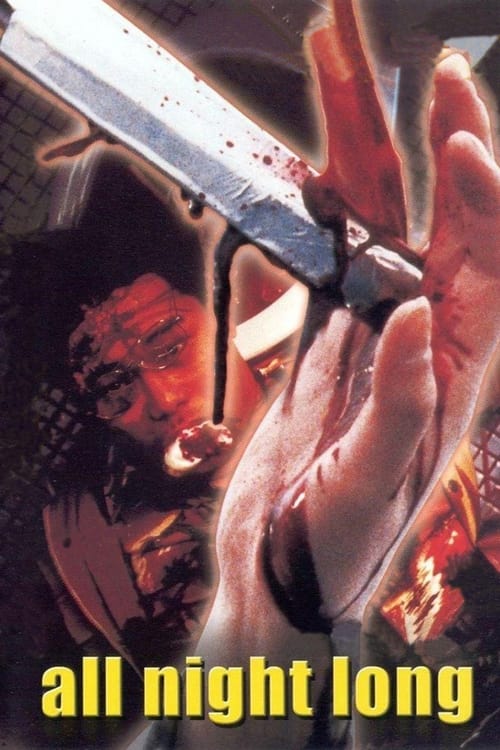
All Night Long
1992
No user ratings available yet
Representation score: 4.2 out of 10
Representation Score
Limited
1997
Director
Gunji Kawasaki
Runtime
77 minutes
Average Rating
No ratings yetNew Showbiz Analysis
Juvenile Crime is a dramatization of the 1988 Junko Furuta case, a well-known historical tragedy in Japan. The film serves as a crime drama and horror reconstruction rather than a work aimed at advancing progressive social goals or diverse representation. The narrative is centered on a specific, traumatic historical event. Since the plot focuses on the harsh reality of the crime and systemic failure, the emphasis remains on the grim truth rather than intentionally challenging social hierarchies. Ultimately, the film operates within a traditional social context. It lacks significant efforts towards diverse casting or the inclusion of non-assuming gender matches what was assigned at birth identities, resulting in a focus that reflects its narrow, historical perspective.
Category Breakdown
The film does not include any LGBTQ+ characters or themes. It focuses solely on the violent crime at the center of the story.
The story revolves around a female protagonist who faces victimization. While it highlights gendered violence, it may reinforce stereotypes of women being passive in a male-dominated world.
As a Japanese production about a local crime, the cast is ethnically uniform. It reflects the historical context without trying to change traditional casting practices.
The film examines the breakdown of social order and institutional protection. It presents a harsh reality about the instability of traditional societal structures.
There is no information about the portrayal of physical, neurodivergent, or mental health disabilities in the film.
Present on Screen
Limited or Absent
Official Synopsis
In November of 1988 four young men abducted and held Junko Furuta for several weeks in the house of one of her captors. This is her story.
1992
2015

2012
2007
1973
2004

1995
1996
No reviews yet. Be the first to share your thoughts on this movie!
Use the rating form above to leave a star rating and optional review.