Tenderness of the Wolves
1973
No user ratings available yet
Representation score: 2.8 out of 10
Representation Score
Limited
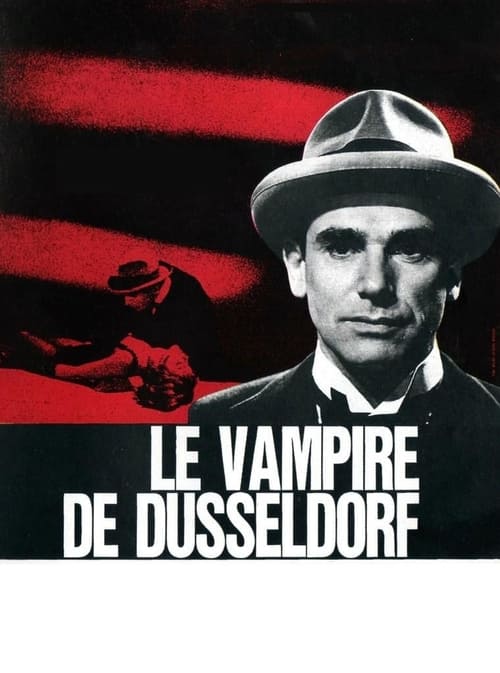
1965
Director
Robert Hossein
Runtime
90 minutes
Average Rating
No ratings yetNew Showbiz Analysis
The film operates as a mid-century psychological study focusing on a historical criminal figure. Its narrative is grounded in noir aesthetics and the mechanics of criminal psychology rather than identity-focused storylines. By centering on the investigation of Peter Kürten during the Great Depression, the film upholds the conventional social and demographic structures of 1960s European thrillers. It does not aim to disrupt traditional hierarchies or engage with the overlapping aspects of identity. Ultimately, the work is a period-specific crime drama that emphasizes urban dread over modern frameworks of social representation.
Category Breakdown
The film does not include any identifiable LGBTQ+ characters or storylines. The focus is entirely on the investigation of violent crimes and the psychological profile of the antagonist.
The story centers around male characters and their psychological struggles, with women not holding positions of intellectual or systemic authority. It follows typical mid-century crime storylines.
Set in Depression-era Düsseldorf, the film reflects the homogeneous demographics of the time. The cast does not include intentional racial or ethnic diversity within its Western European setting.
The film examines social instability and the breakdown of urban safety. However, it treats deviance as a psychological issue rather than a means for critiquing societal structures.
The film explores mental health issues through the lens of criminal behavior. The antagonist's mental state is used primarily to create plot tension and does not provide nuanced or empowered portrayals of mental health conditions.
Present on Screen
Limited or Absent
Official Synopsis
A true story of Peter Kurten, a serial killer who committed nine murders and many other offenses in Dusseldorf during the Great Depression era.
1973

1971

1986

1975

2005

2015
2002

2012
No reviews yet. Be the first to share your thoughts on this movie!
Use the rating form above to leave a star rating and optional review.