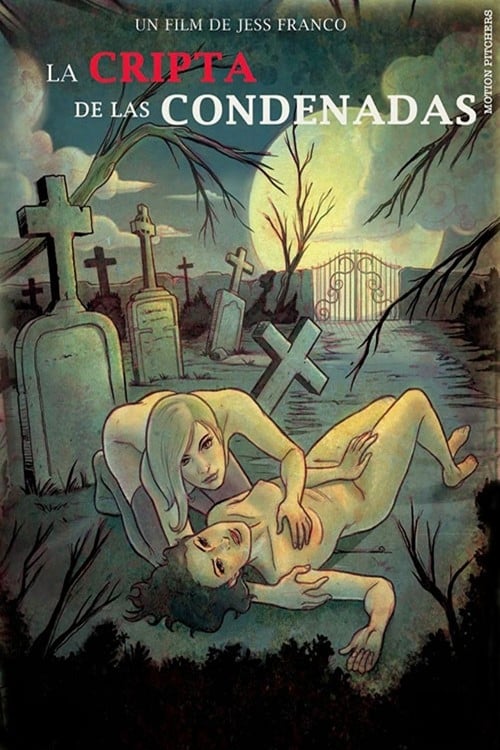
La cripta de las condenadas
2012
No user ratings available yet
Diversity score: 6.3 out of 10

1971
UnratedDirector
Jesús Franco
Runtime
81 minutes
Average Rating
No ratings yetSynopsis
A vengeful widow seduces and murders the men and women responsible for her husband’s suicide.
Overall Score
Fair
Category Breakdown
LGBTQ+ Representation
The film focuses on heteronormative eroticism and the protagonist's psychological volatility. There is no explicit evidence of queer-coded narratives or non-cisnormative identities within the plot.
Gender Representation
The narrative disrupts traditional hierarchies by centering on female agency and sexual autonomy. The protagonist occupies a position of extreme power, subverting the submissive female archetype.
Racial & Ethnic Diversity
Set in a contemporary European context, the cast and setting are largely homogeneous. The film functions within a traditional Eurocentric framework without significant racial blending.
Religious & Cultural Diversity
The film eschews singular Christian morality for a secular exploration of transgression. It challenges objective justice by framing violence through psychological compulsion and fatalistic desire.
Disability Representation
There are no prominent depictions of visible or invisible disabilities. No specific characters are identified as having disabilities within the narrative.
Strengths
Areas for Improvement
AI Analysis
Jesús Franco’s film stands out for its subversion of gender norms, placing female desire and vengeance at the center of the plot. This creates a narrative where the woman is a powerful driver of action rather than a passive object. However, the film remains limited by its era's production standards, resulting in a homogeneous Eurocentric cast and a lack of LGBTQ+ representation. It operates primarily within a heteronormative framework. Ultimately, the film's strength lies in its cultural relativism. By prioritizing individual psychological obsession over traditional social or religious morality, it offers a progressive departure from conservative 1970s storytelling.
2012

1968

1973
1973
1971
1988
1973
1984

1969
1970

2003
1976
No reviews yet. Be the first to share your thoughts on this movie!
Use the rating form above to leave a star rating and optional review.