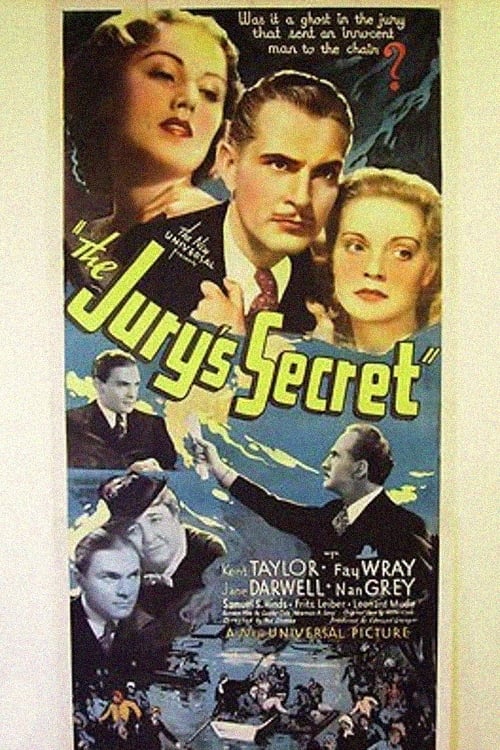
The Jury's Secret
1938
No user ratings available yet
Representation score: 0.6 out of 10
Representation Score
Limited
1929
PassedDirector
Albert S. Rogell
Runtime
74 minutes
Average Rating
No ratings yetNew Showbiz Analysis
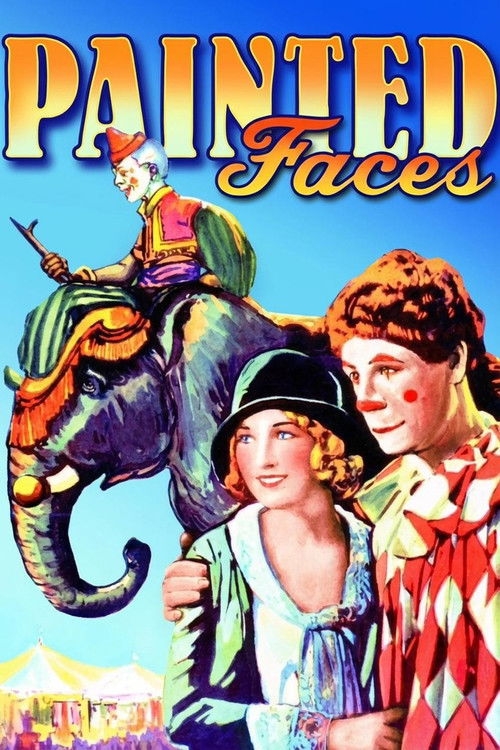
Painted Faces adheres to the conventional narrative structures of the late 1920s. The story centers on a standard mystery and romance plot, focusing on a single individual's fight for innocence within a legal system. The film prioritizes traditional storytelling methods over subversion of societal norms. It relies on established social norms, using European ethnic markers and traditional gender roles without exploring multi-layered identities or challenging existing power structures. Overall, the work reflects the period's adherence to mainstream Hollywood clichés, reinforcing rather than critiquing the social and legal institutions of its time.
Category Breakdown
The film does not include any non-straight relationships or characters with LGBTQ+ identities. It follows the typical heterosexual romance clichés common in crime and mystery stories of the era.
The vaudeville setting provides opportunities for varied gender performances, but the narrative centers on the male protagonist's actions. It does not challenge traditional gender hierarchies or male leadership.
The story emphasizes the protagonist's Scandinavian heritage, serving as a specific ethnic marker rather than promoting multi-racial representation. The cast follows the Anglo-centric norms of the time.
The plot reinforces traditional notions of justice and social order through its focus on a legal trial. It does not explore themes that critique Western institutions or moral frameworks.
The film does not feature any characters with visible or invisible disabilities. Therefore, there is no assessment of disability representation or ability to act.
Present on Screen
Limited or Absent
Official Synopsis
After a vaudeville performer is murdered backstage, framed-up evidence lead the police to arrest a troupe member. At his trial, Hermann, a Scandinavian clown known as Beppo, is the lone juror holding out against conviction and pleading for his innocence and acquittal.
1938

1930
1931
1933
1929
1937
1938
1932
No reviews yet. Be the first to share your thoughts on this movie!
Use the rating form above to leave a star rating and optional review.