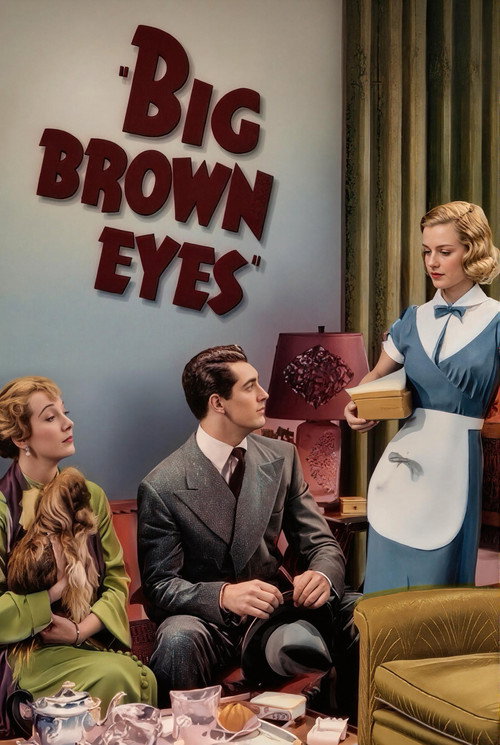
Big Brown Eyes
1936
No user ratings available yet
Representation score: 2.4 out of 10
Representation Score
Minimal
1938
NRDirector
Leigh Jason
Runtime
80 minutes
Average Rating
No ratings yetNew Showbiz Analysis
The film is shaped by the conventions of 1930s Hollywood, which limits its scope to a narrow demographic. While it doesn't offer representation for diverse racial, ethnic, or LGBTQ+ identities, it challenges traditional gender roles through its lead character. Melsa Manton's intellectual dominance stands out as a rare example of female empowerment for the era. However, the film remains confined to a homogeneous, upper-class Anglo-Saxon setting, lacking multi-layered complexity.
Category Breakdown
The film does not include any LGBTQ+ characters or show same-sex relationships. It follows the heterosexual norms of the 1930s.
Melsa Manton is the main character who drives the plot with strong intellect and decisiveness. She avoids the 'damsel in distress' cliché by being proactive in solving the mystery.
The cast is predominantly white and homogeneous, reflecting the limited diversity of the time. There are no non-white characters or significant racial mixing in the story.
The story focuses on the lifestyle of the wealthy elite and maintains traditional Western social norms. It emphasizes the importance of social order and decorum.
The film does not depict any characters with visible or invisible disabilities. The cast is made up of physically and neurologically typical individuals.
Present on Screen
Limited or Absent
Official Synopsis
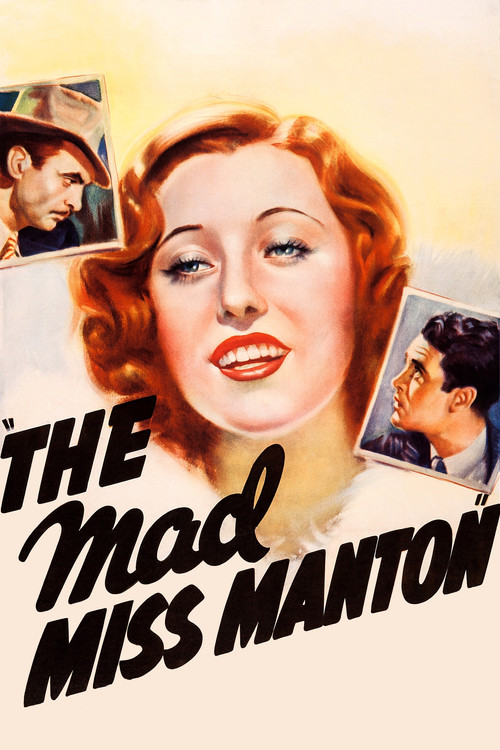
When the murdered body discovered by beautiful, vivacious socialite Melsa Manton disappears, police and press label her a prankster until she and her group of friends prove them wrong.
1936
1941
1946
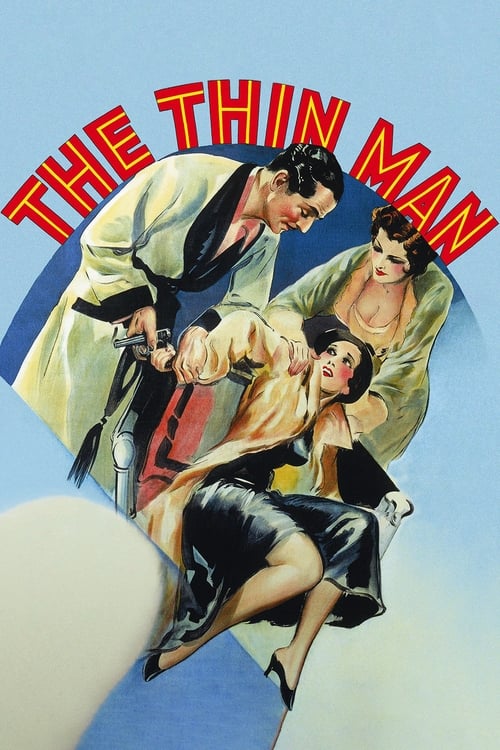
1934
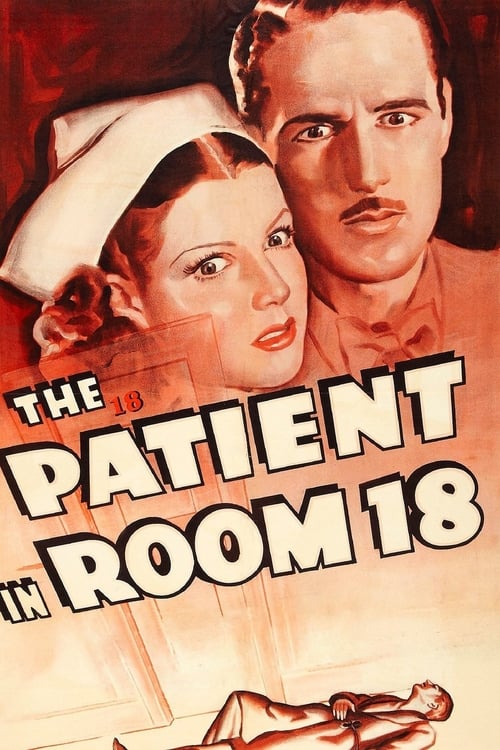
1938
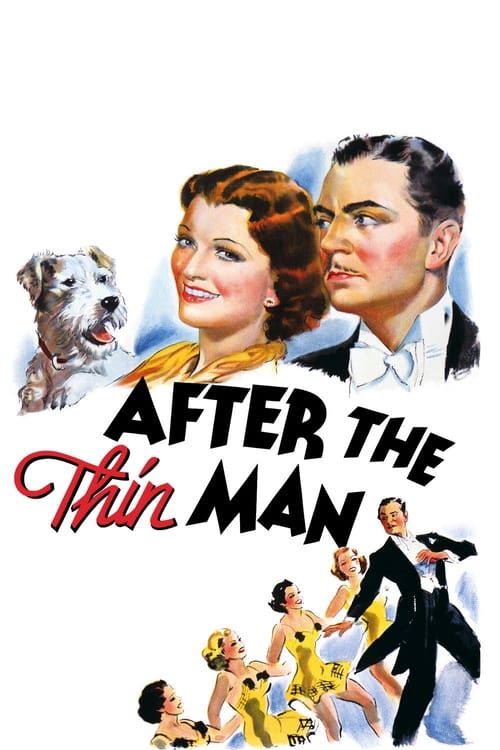
1936
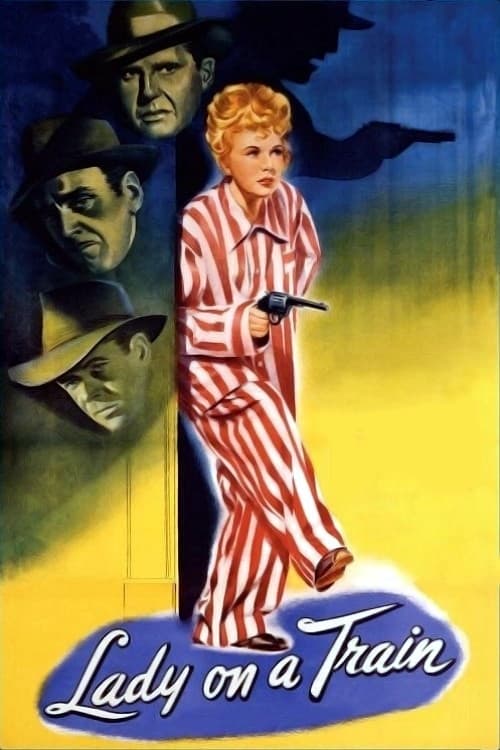
1945
1944
No reviews yet. Be the first to share your thoughts on this movie!
Use the rating form above to leave a star rating and optional review.