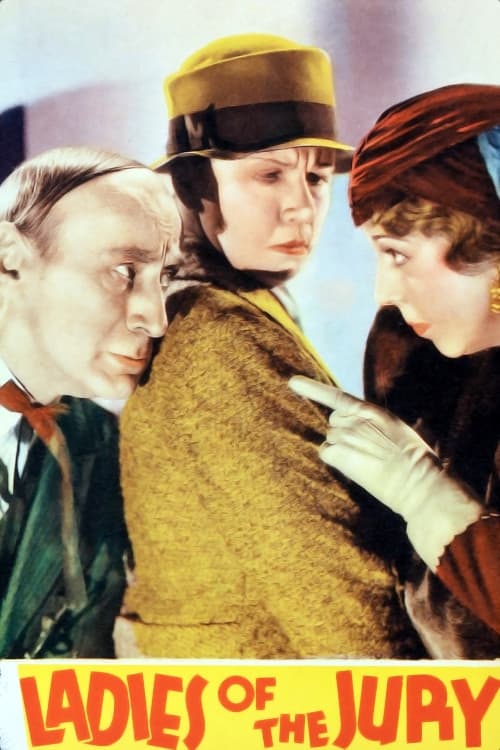
Ladies of the Jury
1932
No user ratings available yet
Representation score: 3.1 out of 10
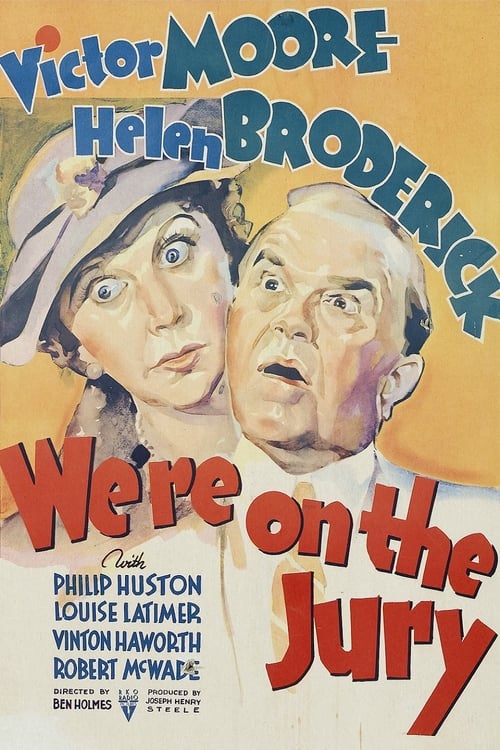
Representation Score
Minimal
1937
NRDirector
Ben Holmes
Runtime
70 minutes
Average Rating
No ratings yetNew Showbiz Analysis
This 1937 comedy operates within the conventional boundaries of the RKO studio system. While the adaptation of a play featuring female jurors provides a platform for women, the film lacks complexity in representing diverse identities. The narrative structure reinforces traditional institutional hierarchies rather than disrupting them. It focuses on a white, upper-middle-class social stratum, adhering to the demographic norms of the era. Ultimately, the film serves as a period piece that upholds established social and legal orders through standard comedic formulas.
Category Breakdown
The film does not include any characters with LGBTQ+ identities or non-straight relationships. The storyline centers on a murder trial and inheritance, emphasizing traditional family structures.
Women play important roles such as jurors and the widow, showcasing female presence. However, these characters often conform to 1930s stereotypes like socialite eccentricity or domesticity.
The film reflects the demographic uniformity typical of 1930s mainstream cinema. The cast and plot focus on a predominantly white, upper-middle-class social circle with little ethnic diversity.
The story revolves around Western institutions like the judiciary and legal systems, reinforcing established social and moral norms without challenging them.
There are no characters with visible or invisible disabilities mentioned. The film does not address neurodivergence or physical impairments.
Present on Screen
Limited or Absent
Official Synopsis
A juror at a murder trial is convinced the defendant is innocent.
1932

1930
1935
2023
1939

1930

1939
1939
No reviews yet. Be the first to share your thoughts on this movie!
Use the rating form above to leave a star rating and optional review.