The Crippled Masters
1979
No user ratings available yet
Representation score: 3.9 out of 10
Representation Score
Fair
1982
UnratedDirector
Fang Hao
Runtime
89 minutes
Average Rating
No ratings yetNew Showbiz Analysis
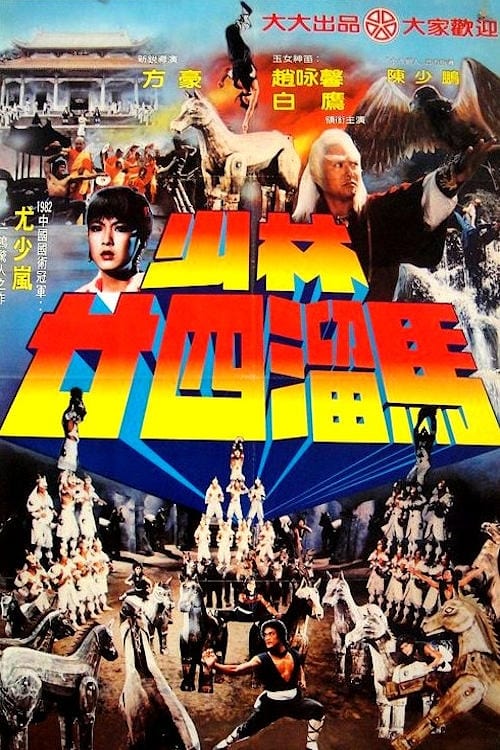
Raiders of the Shaolin Temple is a traditional martial arts film that prioritizes cultural authenticity and institutional preservation. It excels in its portrayal of disability, giving meaningful roles to characters with physical impairments who actively contribute to the hero's journey. However, the film remains deeply rooted in traditionalist values. It lacks representation for LGBTQ+ identities and offers very little women's ability to drive the story, focusing almost exclusively on male-dominated monastic life. While the film is culturally grounded and avoids Western-centric casting norms, its thematic scope is narrow, sticking to classic arcs of vengeance and the defense of tradition.
Category Breakdown
The film focuses on monastic brotherhood and traditional martial arts training. There are no non-straight or non-cisgender identities or same-sex relationships.
The story centers on male protagonists and monastic life. It emphasizes traditional masculine leadership without showing women's ability to drive the story or challenging gender hierarchies.
The production features a Chinese cast that aligns with the historical setting. It maintains authenticity by avoiding Western-centric casting norms.
The story explores the tension between the Shaolin Temple and corrupt officials. It focuses on preserving tradition and moral integrity within a localized framework.
Characters with no arms and no legs serve as active participants in the protagonist's training. This portrayal gives them meaningful roles rather than treating them as objects of pity.
Present on Screen
Limited or Absent
Official Synopsis
The plot centers on Little Lu (Sonny Yu) who tends horses for the local Shaolin temple, and wants to learn skills that will help him defeat some corrupt officials who want to destroy it. He has a couple of friends (one with no arms, the other with no legs) who help him train using some bronze mechanical horses in a secret room in the temple.
1979
1976
1982
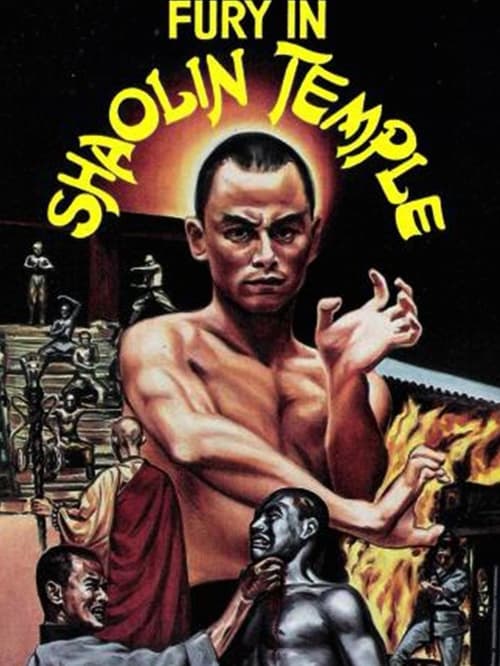
1982
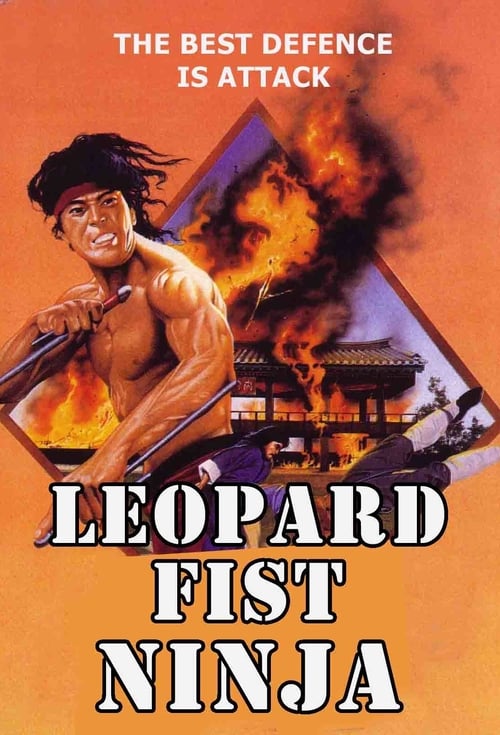
1982
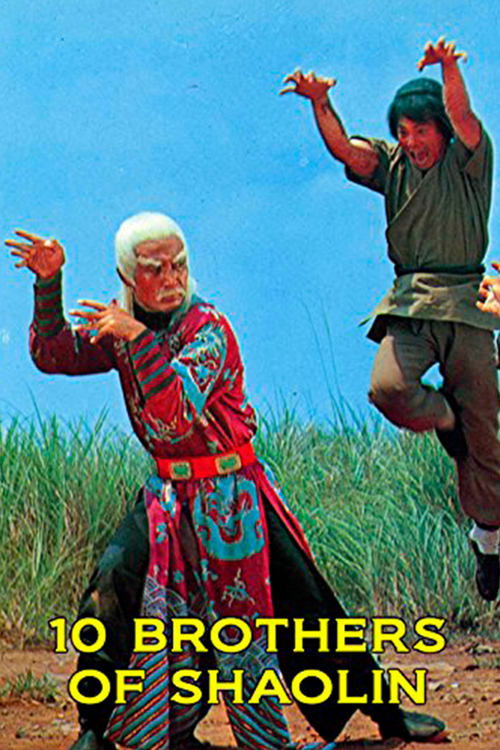
1977
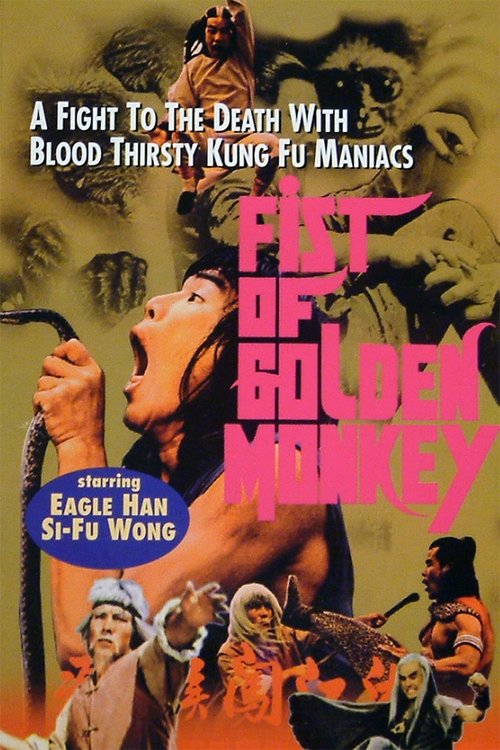
1980
1976
No reviews yet. Be the first to share your thoughts on this movie!
Use the rating form above to leave a star rating and optional review.