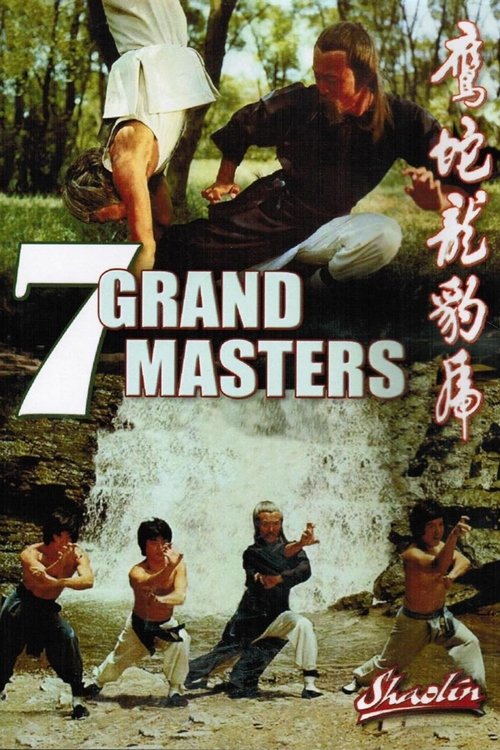
The 7 Grandmasters
1977
No user ratings available yet
Diversity score: 3.0 out of 10
1979
Director
Joseph Kuo
Runtime
92 minutes
Average Rating
No ratings yetSynopsis
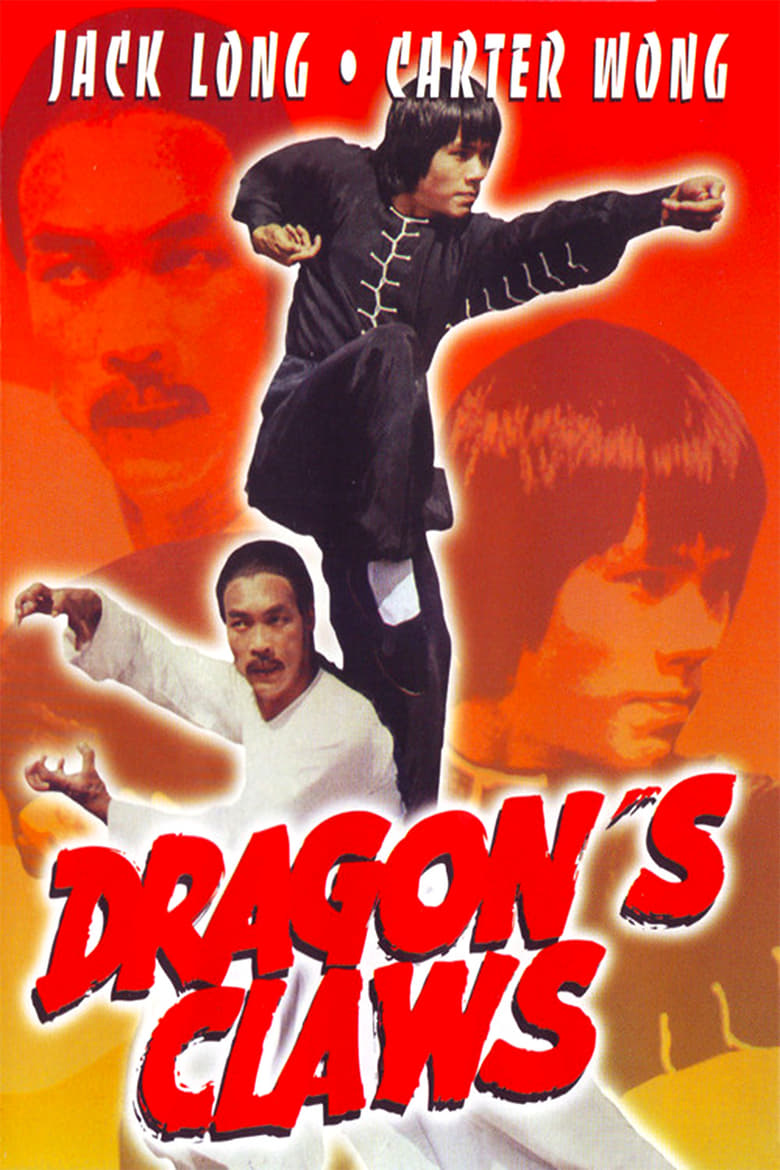
A "Dragon Claw" master returns from Manchuria where he became a traitor to China. He's after the coveted Dragon Claw Golden Tablet that will force people to bow down to him. He challenges the Grand-master who has a checkered past of his own. The Grand-master happens to suffers from a terminal chronic injury related to his evil past. The traitor kills the grand-master, causing his wife and son the go into hiding. The wife seems to really be the Dragon Claw master in the family and she vows to train her son the kung fu secrets. The son finds that one of his friends has learned a strange style of kung fu from a filthy medicine man. The son seeks him out to improve his kung fu and defeat the traitor.
Overall Score
Limited
Category Breakdown
LGBTQ+ Representation
The film focuses entirely on familial lineage and martial rivalry. There is no evidence of non-heteronormative identities or same-sex intimacy within the narrative.
Gender Representation
The wife subverts traditional hierarchies by becoming a central agent of agency. She assumes the role of martial master, shifting the patriarchal dynamic toward matriarchal preservation.
Racial & Ethnic Diversity
The story depicts a culturally specific Chinese setting typical of the genre. It functions as a localized cultural narrative rather than utilizing color-blind casting.
Religious & Cultural Diversity
The narrative leans into the moral weight of martial tradition and honor. It operates within a traditionalist framework without critiquing Western institutions or prioritizing secularism.
Disability Representation
A terminal chronic injury is used as a character trait for the Grand-master. This serves primarily as a plot device to facilitate the transition of power.
Strengths
Areas for Improvement
AI Analysis
Dragon's Claws is a product of its 1970s temporal context, adhering to the conventional tropes of martial arts cinema. The film relies on established themes of vengeance, lineage, and the pursuit of power through physical mastery. The most progressive element is the subversion of gender roles. By positioning the wife as the keeper of martial secrets and the trainer of the next generation, the film moves away from a strictly patriarchal master/student dynamic. However, the film lacks intersectional complexity. It uses disability and cultural identity as functional plot elements rather than exploring nuanced lived experiences or systemic critiques.
1977
1978
1976
1976
1982
1979
1995
1979
1977
1979
1980
1975
No reviews yet. Be the first to share your thoughts on this movie!
Use the rating form above to leave a star rating and optional review.