Shaolin Temple
1982
No user ratings available yet
Diversity score: 3.3 out of 10
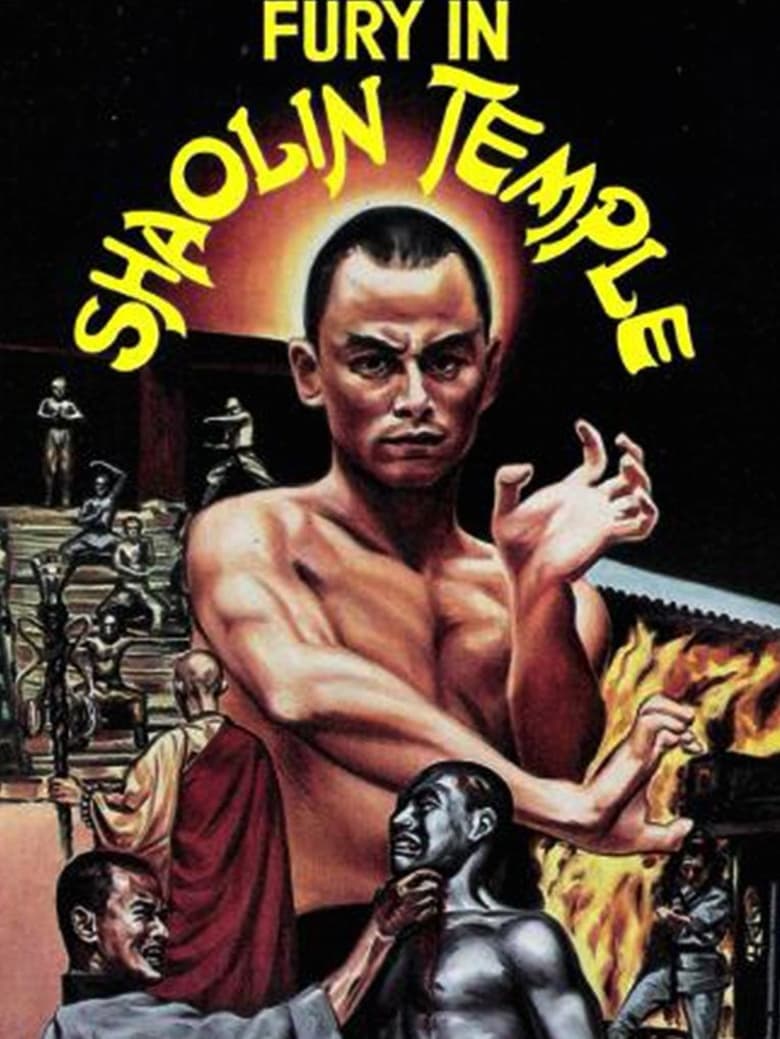
1982
Director
Godfrey Ho, Choe Hyeon-Min
Runtime
83 minutes
Average Rating
No ratings yetSynopsis
When a young boy finds himself alone in the world when his adoptive father disappears after a fight, his first thought is to go to Shaolin.
Overall Score
Limited
Category Breakdown
LGBTQ+ Representation
The narrative focuses on a traditional journey of martial apprenticeship. There is no evidence of non-cisnormative identities or narratives that critique heteronormativity.
Gender Representation
The story centers on a male protagonist and his relationship with an adoptive father. It reinforces traditional patriarchal hierarchies and masculine archetypes of strength.
Racial & Ethnic Diversity
As a Hong Kong and South Korean co-production, the film presents a non-Western cultural framework. However, it functions within established ethnic norms of its era.
Religious & Cultural Diversity
The Shaolin Temple setting provides a traditional religious and institutional framework. The plot emphasizes individual discipline and traditional martial values.
Disability Representation
There is no evidence of characters with physical or neurodivergent disabilities. The genre's focus on physical perfection often precludes such representation.
Strengths
Areas for Improvement
AI Analysis
Fury in Shaolin Temple is a product of its era, adhering strictly to the conventional narrative architecture of late-70s martial arts cinema. The film prioritizes genre-standard tropes of mentorship and physical discipline over the deconstruction of social hierarchies. The story follows a traditionalist cultural paradigm, focusing on a male protagonist's quest for strength within a monastic setting. This structure reinforces established masculine archetypes and patriarchal hierarchies common to the genre. While the film offers a non-Western cultural framework through its setting, it lacks intentional intersectional blending or the inclusion of marginalized identities. It remains a focused study of martial lineage and personal mastery.
1982

1977
1976
1979
1983
1976
1982
1976
1979
1980

1965

1970
No reviews yet. Be the first to share your thoughts on this movie!
Use the rating form above to leave a star rating and optional review.