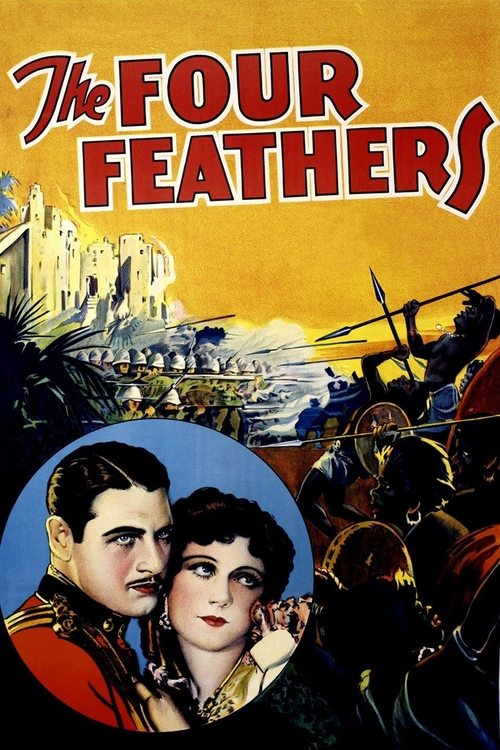
The Four Feathers
1929
No user ratings available yet
Representation score: 0.3 out of 10
Representation Score
Minimal
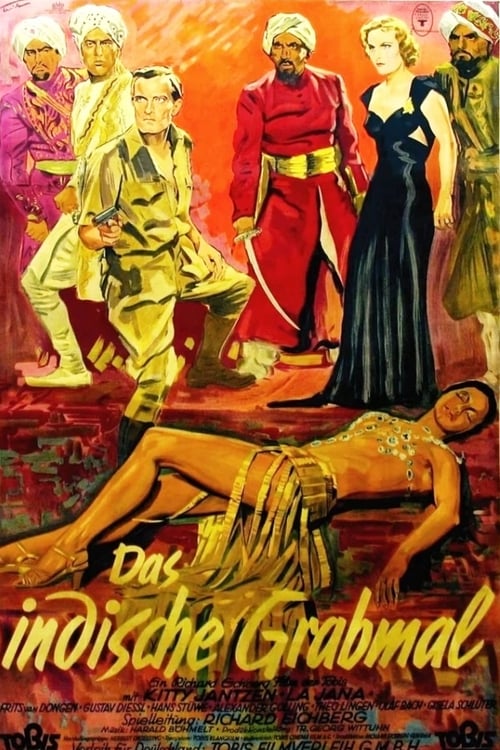
1938
Director
Richard Eichberg
Runtime
94 minutes
Average Rating
No ratings yetNew Showbiz Analysis
The Indian Tomb reflects its era as a colonial adventure film that emphasizes Western perspectives. The narrative structure centers on established hierarchies, focusing on European characters while portraying the Indian setting as an exotic backdrop for melodrama. While the film offers an escapist adventure experience, it lacks complexity in representing diverse identities. It reinforces traditional gender roles and Western dominance, providing little challenge to the social and political norms of its time.
Category Breakdown
The film follows traditional heterosexual relationships and does not include any characters with non-binary gender identities or same-sex relationships.
Gender roles in the film follow the conventions of 1930s adventure stories. The female lead, Irene, mainly serves as a romantic interest rather than an independent character, emphasizing the male protagonist's leadership.
The film depicts India through a colonial lens, where European characters are the main focus. Indian characters are often portrayed as exotic or antagonistic figures.
The narrative upholds the perspective of European travelers without questioning Western dominance. Local political unrest is used merely as a backdrop for the protagonists' adventures.
Present on Screen
Limited or Absent
Official Synopsis
After the events of Der Tiger von Eschnapur, Maharadscha Chandra is ready to execute his well-planned vengeance, in which German architect Peter Fürbringer, his fiancée Irene and his assistant will have to fight for their lives amidst a revolt fueled by traitor Prinz Ramigani.
1929
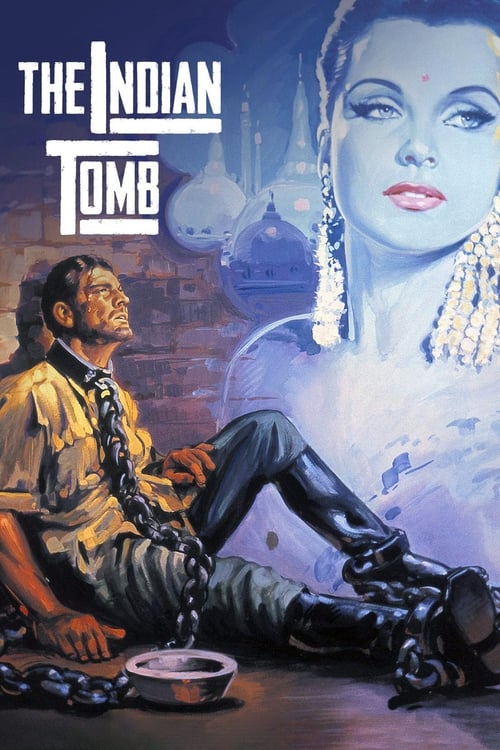
1959
1994
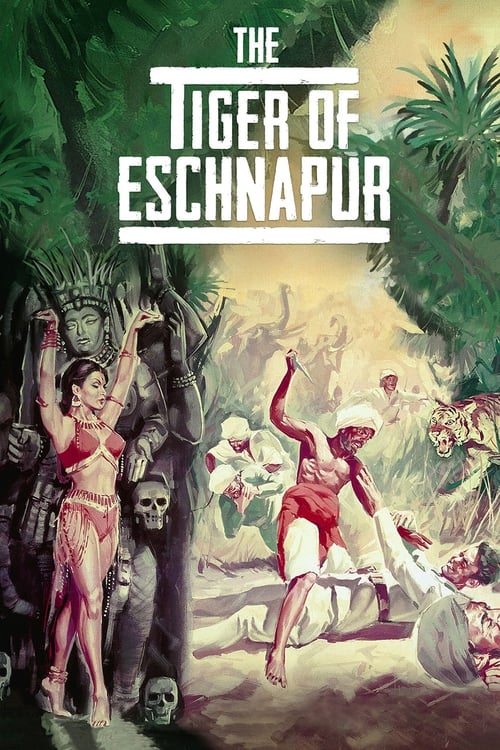
1959
1934
1937
1957

1939
No reviews yet. Be the first to share your thoughts on this movie!
Use the rating form above to leave a star rating and optional review.