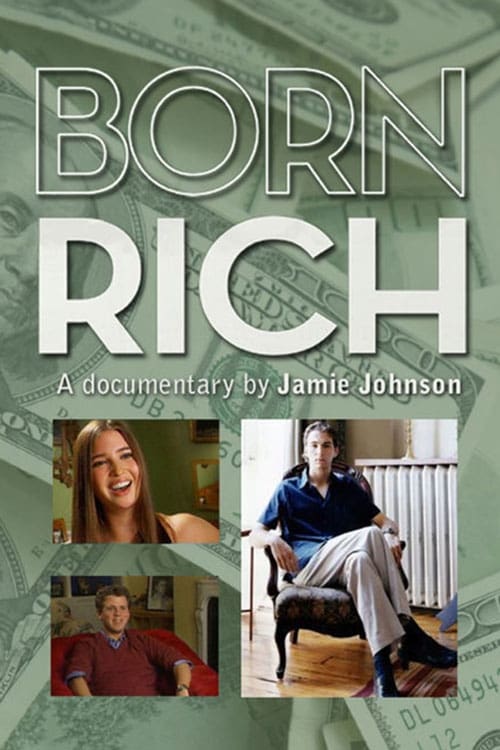
Born Rich
2003
No user ratings available yet
Representation score: 3.8 out of 10

Representation Score
Good
2006
NRDirector
Jamie Johnson
Runtime
77 minutes
Average Rating
No ratings yetNew Showbiz Analysis
The One Percent functions as a systemic critique of wealth concentration and its impact on American society. Its strength lies in challenging dominant socioeconomic hierarchies and traditional Western institutional stability. By deconstructing the mechanisms of capital accumulation, the film questions the morality of established financial structures. However, the documentary's narrow thematic scope limits its representation of individual identities. The focus remains heavily on macroeconomic forces, resulting in a lack of visibility for LGBTQ+ and disabled communities. While the film implicitly touches on racialized economic disparities, it does not center demographic-driven storytelling.
Category Breakdown
The documentary focuses on macroeconomic structures and wealth distribution rather than queer narratives. It doesn't specifically address non-traditional gender identities.
The film challenges male-dominated corporate hierarchies by questioning the meritocratic foundations of these structures. However, it doesn't provide specific gender-driven character arcs.
The critique of wealth concentration implicitly addresses systemic barriers faced by non-white populations. The narrative examines institutions that contribute to racialized economic disparities.
The film excels by disrupting conventional celebrations of Western economic models. It frames concentrated capitalism as a threat to traditional Western ways of life.
Disability, neurodivergence, and physical accessibility are not central themes. These topics are not used as character drivers in the film.
Present on Screen
Limited or Absent
Official Synopsis
Jamie Johnson takes the exploration of wealth that he began in Born Rich one step further. The One Percent, refers to the tiny percentage of Americans who control nearly half the wealth of the U.S. Johnson's thesis is that this wealth in the hands of so few people is a danger to our very way of life.
2003
2018
2015
2013
2012
2010
2019
2015
No reviews yet. Be the first to share your thoughts on this movie!
Use the rating form above to leave a star rating and optional review.