Capitalism: A Love Story
2009
No user ratings available yet
Representation score: 7.3 out of 10
Representation Score
Good
2013
PGDirector
Jacob Kornbluth
Runtime
88 minutes
Average Rating
No ratings yetNew Showbiz Analysis
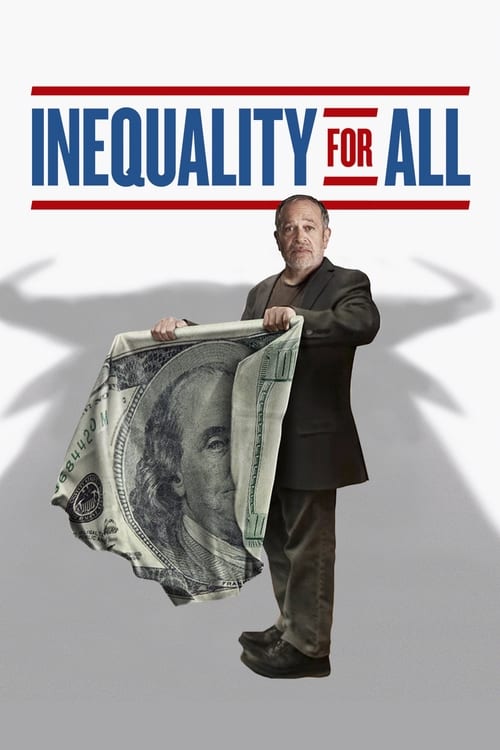
Inequality for All is a specialized socio-economic critique that prioritizes institutional analysis over identity-based storytelling. Its primary strength lies in its cultural perspective, actively challenging traditional economic norms and capitalist frameworks. However, the film’s narrow focus on fiscal and labor structures leads to limited representation of LGBTQ+, gender, and disability identities. While it employs a diverse array of experts to illustrate economic divides, it does not center specific racialized or underrepresented lived experiences. Ultimately, the documentary is a systemic study of wealth disparity rather than a diverse exploration of human identity.
Category Breakdown
The documentary focuses solely on macroeconomic policy and wealth distribution, with no emphasis on LGBTQ+ narratives or non-assuming gender matches what was assigned at birth identities.
The film centers on economic theory and political history, which are predominantly male-dominated. It does not give significant attention to women's ability to drive the story in the economic discourse.
The film showcases a diverse range of experts to highlight economic disparities. However, it focuses on systemic issues rather than specific racialized experiences.
The film critiques Western economic institutions and neoliberalism, emphasizing how wealth concentration undermines the social contract.
There is no focus on neurodivergence, physical disabilities, or mental health. The film examines subjects through the lens of economic ability to act and political influence.
Present on Screen
Limited or Absent
Official Synopsis
Based on Reich's 2010 book Aftershock: The Next Economy and America's Future, the film examines widening income inequality in the United States. U.S. Labor Secretary Robert Reich tries to raise awareness of the country's widening economic gap. He publicly argued about the issue for decades, and producing a film of his viewpoints was a "final frontier" for him. In addition to being a social issue documentary, Inequality for All is also partially a biopic regarding Reich's early life and his time as Secretary of Labor under Bill Clinton's presidency. Warren Buffett and Nick Hanauer, two entrepreneurs and investors in the top 1%, are interviewed in the film, supporting Reich's belief in an economy that benefits all citizens, including those of the middle and lower classes.
2009
2015

2019

2010

2010

2012

2015

2014
No reviews yet. Be the first to share your thoughts on this movie!
Use the rating form above to leave a star rating and optional review.