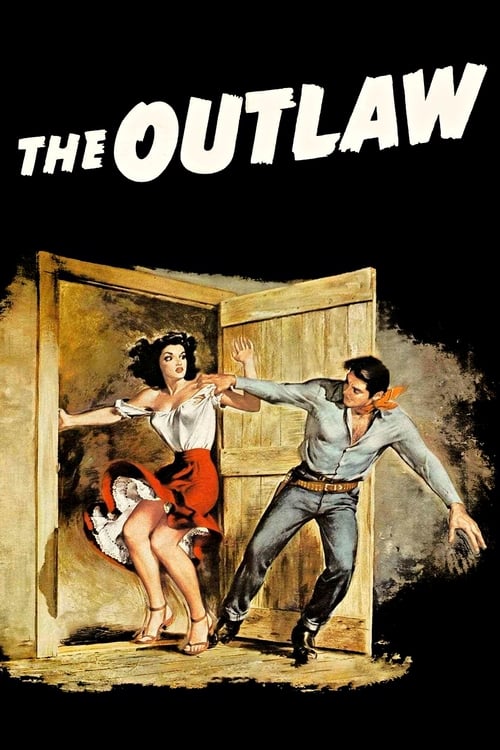
The Outlaw
1943
No user ratings available yet
Diversity score: 1.8 out of 10

1932
PassedDirector
Harry L. Fraser
Runtime
55 minutes
Average Rating
No ratings yetSynopsis
Hanley shoots a man and then frames Bill Roberts. Being the Judge he then holds court planning to hang Bill but Bill's friends effect his escape. Andy tries to lead Hanley astray by misleading him as to Bill's location. But Bill changes plans and Hanley catches up with him and this leads to the showdown.
Overall Score
Minimal
Category Breakdown
LGBTQ+ Representation
The film operates within the heteronormative constraints of 1930s Western cinema. There is no evidence of non-cisnormative identities or same-sex intimacy.
Gender Representation
The narrative is centered on male-driven conflict and masculine agency. Female characters appear to lack agency, serving roles secondary to the male-centric plot.
Racial & Ethnic Diversity
The film likely reflects the era's reliance on homogeneous casting. The narrative focuses on Anglo-Saxon protagonists typical of the Western genre.
Religious & Cultural Diversity
Themes of justice are explored through traditional Western institutions. The plot reinforces standard moral frameworks rather than critiquing systemic legal structures.
Disability Representation
The story contains no mention of characters with visible or invisible disabilities.
Strengths
Areas for Improvement
AI Analysis
Law of the North is a conventional 1930s Western that prioritizes a linear, masculine-driven plot. The story focuses on a corrupt judge, a framed protagonist, and a showdown, reinforcing traditional hierarchies of gender and authority. Representation is minimal, as the film adheres to the genre conventions of its era. The narrative lacks intersectional complexity, focusing instead on a standard good-versus-evil moral framework within a frontier setting. Ultimately, the film functions as a period-typical genre piece. It lacks diverse casting or social subversion, centering almost entirely on male agency and established institutional norms.
1943
1937
1940
1930
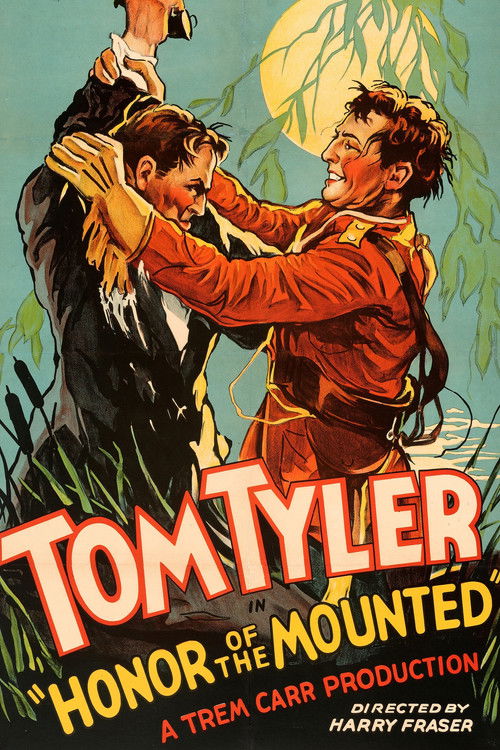
1932
1932
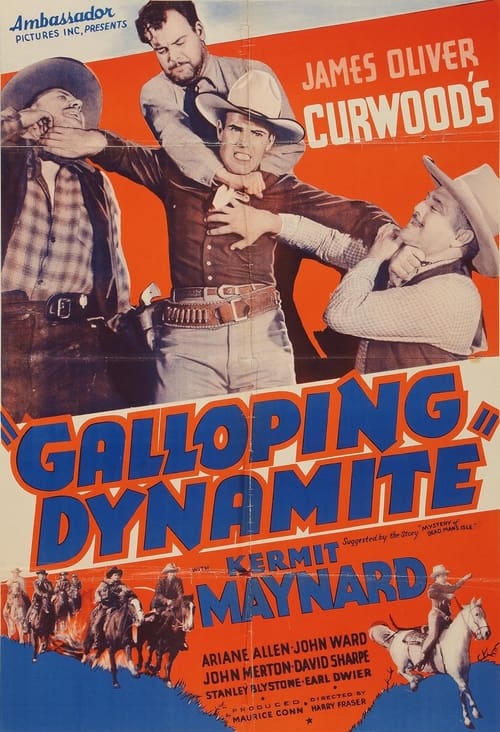
1937
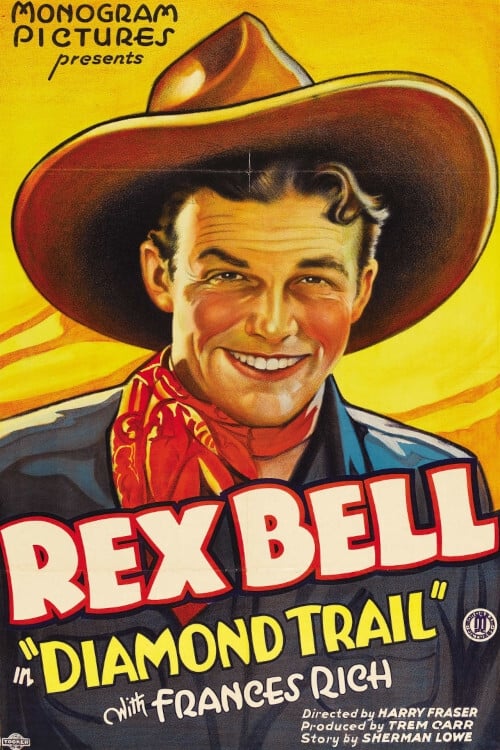
1933
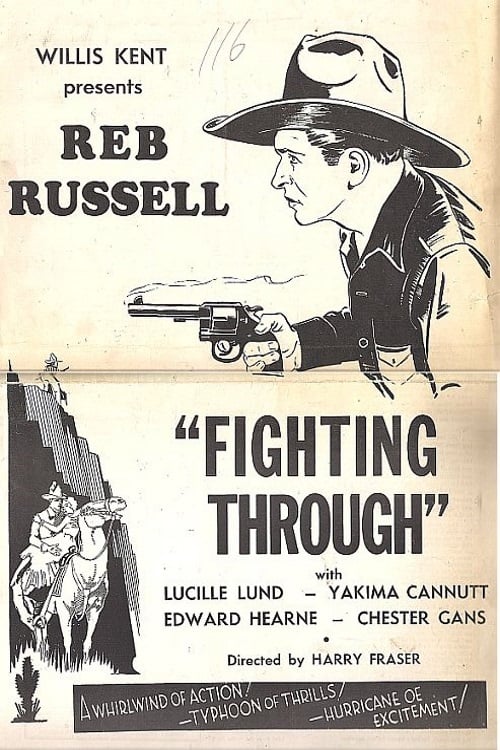
1934
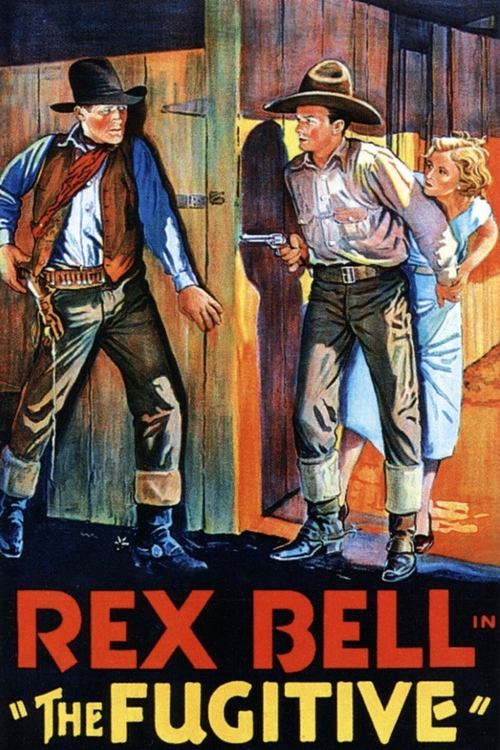
1933
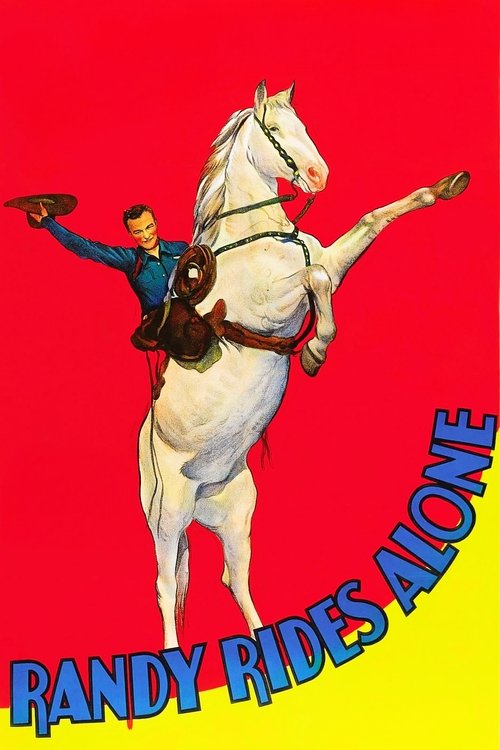
1934
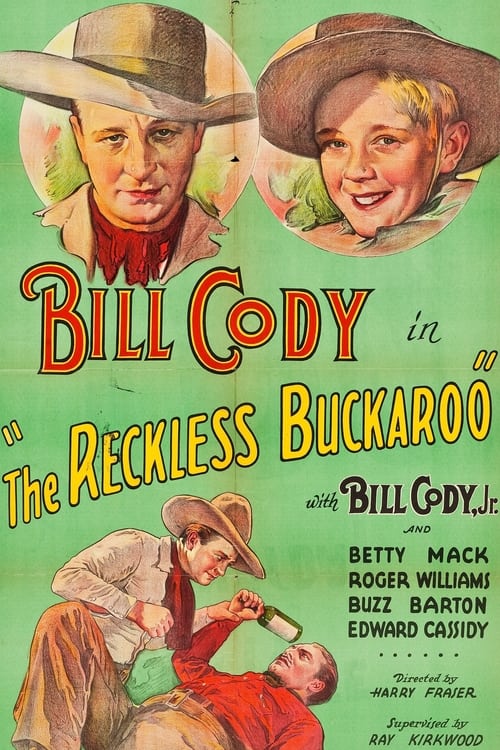
1935
No reviews yet. Be the first to share your thoughts on this movie!
Use the rating form above to leave a star rating and optional review.