Law of the North
1932
No user ratings available yet
Representation score: 1.1 out of 10
Representation Score
Minimal
1937
ApprovedDirector
Leon Barsha
Runtime
56 minutes
Average Rating
No ratings yetNew Showbiz Analysis
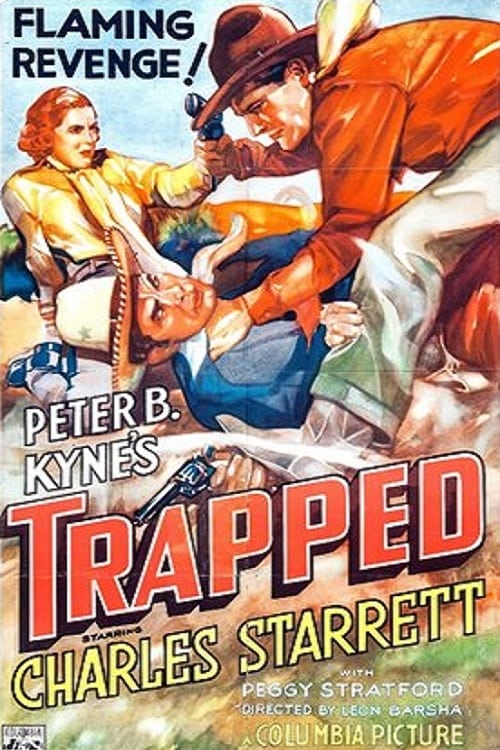
Trapped is a conventional 1937 Western that relies heavily on established genre clichés. The narrative is driven by masculine ability to act, focusing on a protagonist’s quest for vengeance after a family tragedy. The film operates within the rigid social and cinematic norms of its time. It lacks intentionality regarding diverse representation or the subversion of traditional social hierarchies. Ultimately, the work functions as a standard period piece, prioritizing a traditional revenge structure over complex or diverse character identities.
Category Breakdown
The film does not include any LGBTQ+ identities or same-sex relationships, sticking closely to the social norms of the 1930s Western genre.
The story emphasizes male-driven ability to act and the pursuit of justice among brothers. Female characters have little influence over the main conflict.
The narrative likely reflects the homogenous casting practices of the era. It centers on a traditional Western setting without highlighting diverse characters.
The plot adheres to standard Western moral frameworks concerning justice and law. It does not explore or question these institutions.
There is no indication of characters dealing with physical, sensory, or neurodivergent conditions. The plot summary does not mention any disabilities.
Present on Screen
Limited or Absent
Official Synopsis
Ted Haley rides to his brother's ranch and finds him dying from a knife wound. The brother names Sol Rothert as his killer. Leaving the house, Ted doesn't notice a mysterious man watching him, but he sees a rider gallop up to the house and enter, and Ted rushes to investigate.
1932
1947
1935
1927
1940
1937
1937
1935
No reviews yet. Be the first to share your thoughts on this movie!
Use the rating form above to leave a star rating and optional review.