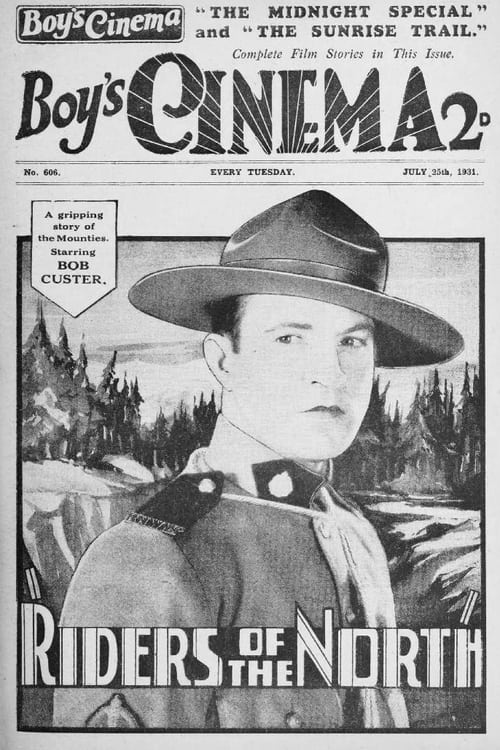
Riders of the North
1931
No user ratings available yet
Representation score: 0.6 out of 10
Representation Score
Limited
1930
PassedDirector
Michael Curtiz
Runtime
75 minutes
Average Rating
No ratings yetNew Showbiz Analysis
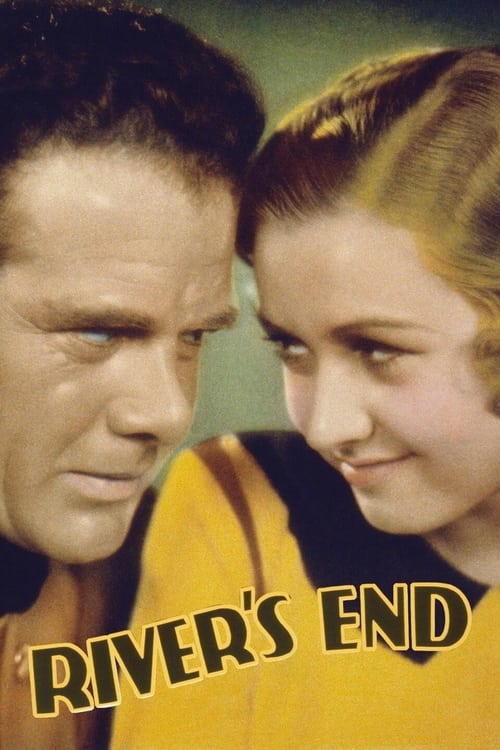
River's End is a character-driven drama that uses a doppelgänger motif to explore identity and redemption. The narrative succeeds in challenging the traditional hero-villain dichotomy, allowing an escaped murderer to become an agent of survival and social reintegration. However, the film is limited by the era's cinematic norms. It focuses almost exclusively on a homogeneous group of men in a survivalist setting, resulting in a narrow social scope that overlooks broader cultural and gendered perspectives. Ultimately, the film's strength lies in its psychological complexity rather than its social diversity. It offers a nuanced look at moral fluidity while remaining tethered to traditional, masculine-centric storytelling.
Category Breakdown
The film focuses on male camaraderie and survival in the Canadian wilderness. It does not address LGBTQ+ identities or challenge assumptions about straight relationships.
The story centers on masculine roles such as soldiers, guides, and outlaws. It lacks strong female characters or challenges to traditional gender roles.
The narrative features a mostly white cast of explorers and law enforcement. It does not provide much detail about the Indigenous peoples central to the Northern Canadian setting.
The film explores moral ambiguity by having a villain take on a hero's identity. However, it stays within a traditional survivalist framework without questioning Western institutions.
Environmental dangers like a frozen lung are used to advance the plot. These elements highlight physical vulnerability but do not delve deeply into disability issues.
Present on Screen
Limited or Absent
Official Synopsis
Sgt. Conniston and his alcoholic guide O'Toole are on the trail of an escaped murderer named Keith. When they catch up with him in the farthest reaches of Northern Canada, Keith turns out to be a dead ringer for Conniston. On the way back, the sled overturns, Keith grabs the gun and leaves them to die in the snow. After second thoughts he comes back and brings them to safety at an RCMP emergency cabin. Conniston dies of a frozen lung and Keith takes his place.
1931
1930
1950
1925

1940
1934
1938
1923
No reviews yet. Be the first to share your thoughts on this movie!
Use the rating form above to leave a star rating and optional review.