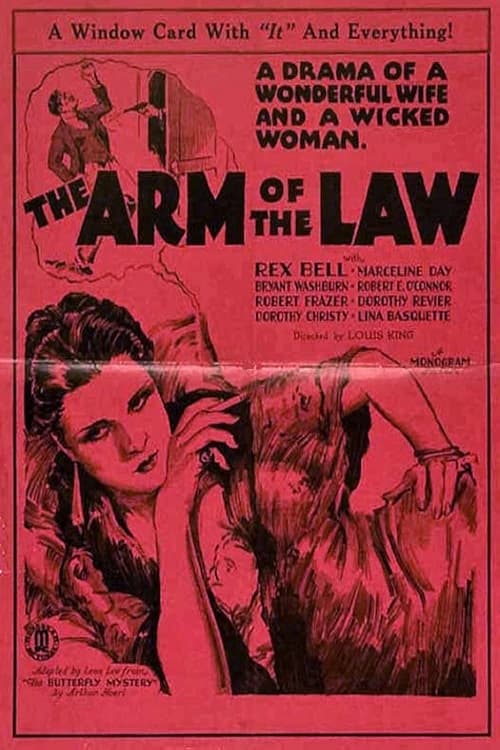
The Arm of the Law
1932
No user ratings available yet
Representation score: 0.5 out of 10

Representation Score
Minimal
1946
ApprovedDirector
Herbert I. Leeds
Runtime
70 minutes
Average Rating
No ratings yetNew Showbiz Analysis
This 1946 production reinforces mid-century social norms through a child's perspective and animal companionship. The narrative structure emphasizes innocence and conventional morality. The film adheres to the historical standards of American cinema, focusing on a standardized depiction of domestic life. It lacks the intention to disrupt established power dynamics or include diverse identities. Ultimately, the work prioritizes sentimentalism and traditional storytelling over the inclusion of diverse identities or the subversion of social hierarchies.
Category Breakdown
The film does not include any characters with LGBTQ+ identities or provide any queer subtext.
The film relies on traditional gender roles common in mid-century films, without challenging gender hierarchies.
The casting and setting reflect a homogeneous society typical of 1940s Hollywood, lacking diverse ethnic backgrounds.
The story upholds traditional Western values and moral clarity, without critiquing Western institutions or secularism.
The film does not include any characters with visible or invisible disabilities.
Present on Screen
Limited or Absent
Official Synopsis
A pretty blonde with a Doberman pinscher walks into a bar on April Fool's Day and asks for a bag of bones. Thus begins a merry chase in which a newspaper reporter, a drunken policeman and a hand-painted necktie help locate the missing witness in a criminal investigation.
1932
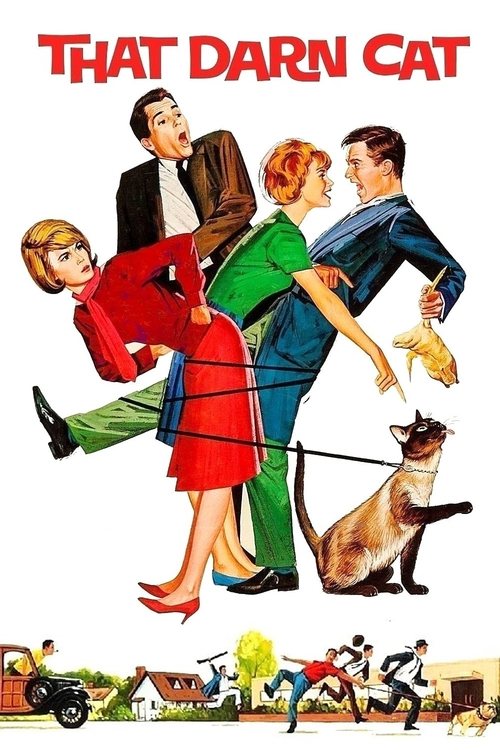
1965
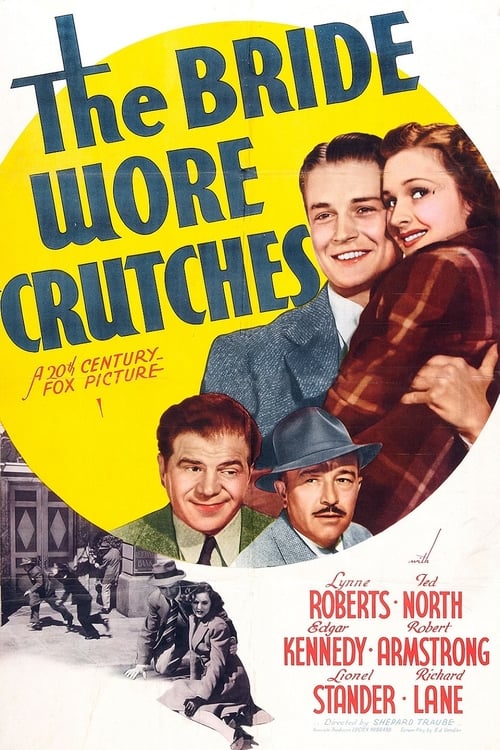
1940
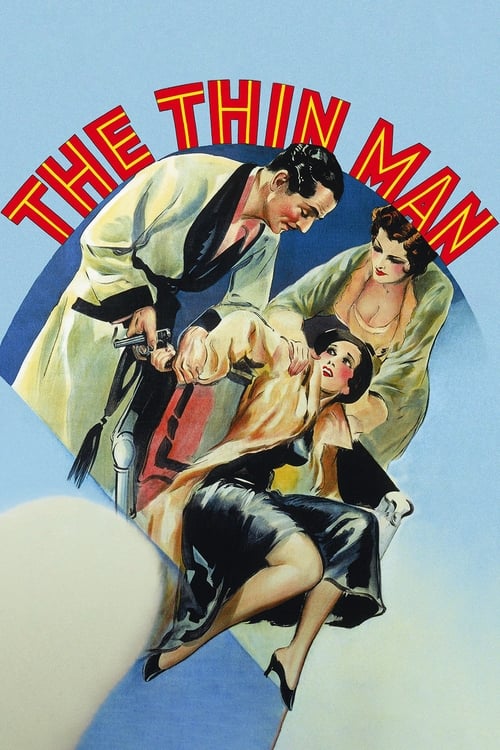
1934

1926

1989

2006
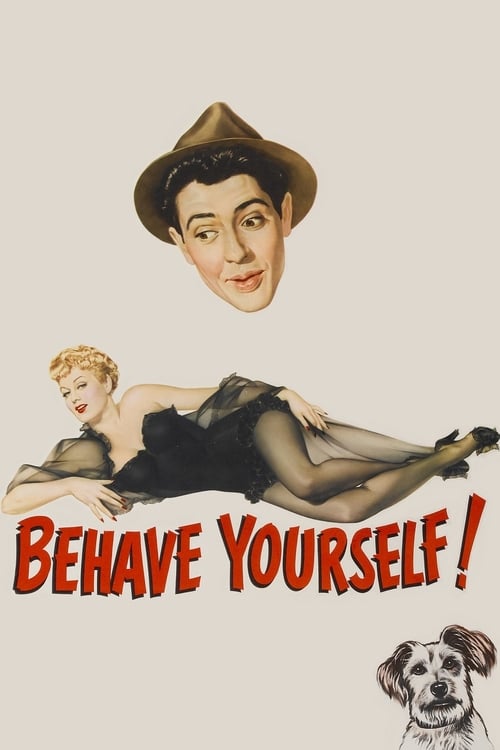
1951
No reviews yet. Be the first to share your thoughts on this movie!
Use the rating form above to leave a star rating and optional review.