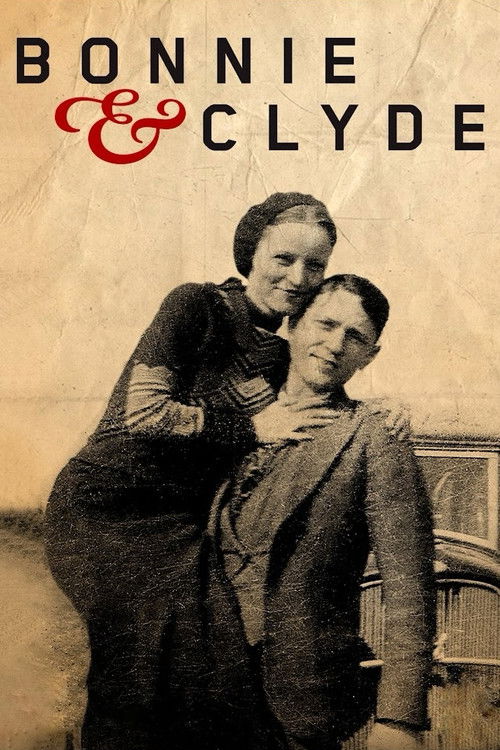
Bonnie & Clyde
2016
No user ratings available yet
Diversity score: 4.9 out of 10
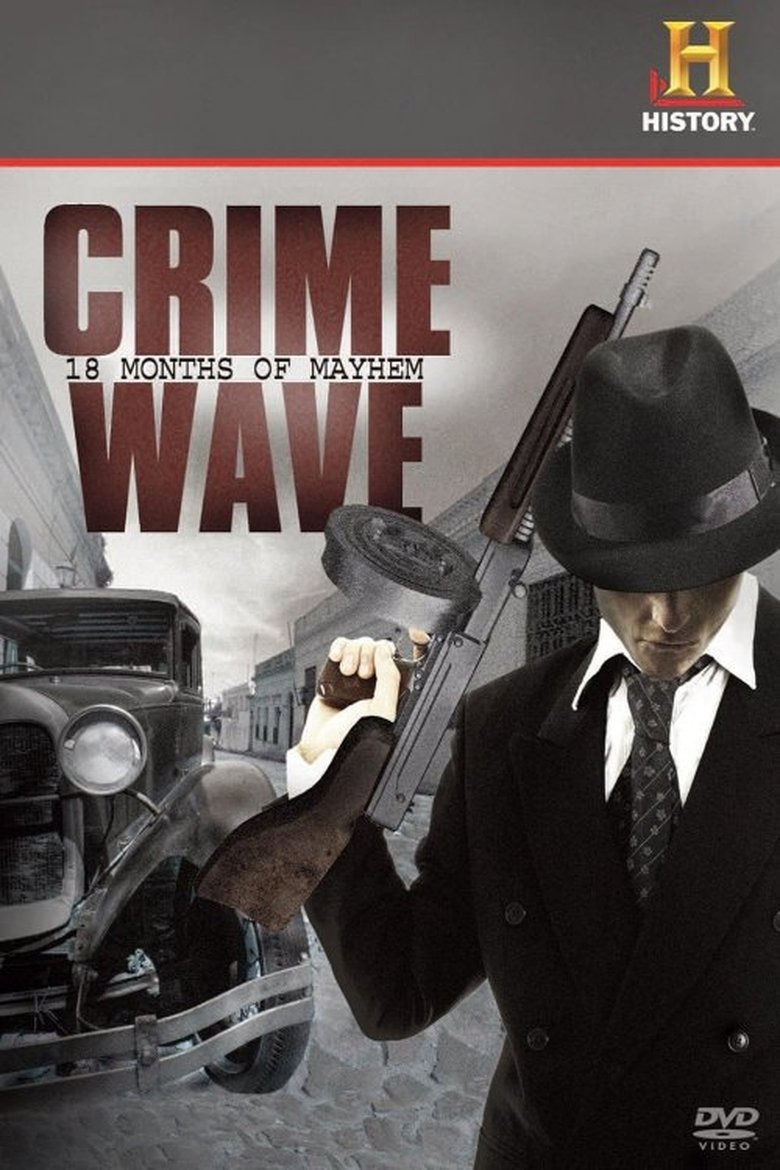
2008
TV-PGDirector
Jeffrey Lee Woods, Patrick Leigh-Bell
Runtime
89 minutes
Average Rating
No ratings yetSynopsis
This historical documentary chronicles the 18-month period from mid-1933 to late 1934 when John Dillinger, Bonnie and Clyde, Baby Face Nelson, Machine Gun Kelly and others indulged in the most sweeping crime wave the U.S. has ever experienced. It was an era when outlaws became folk heroes because they robbed from the rich, even if they didn't share much with the poor. It was also a time when the newly formed FBI extended its reach as a law enforcement entity.
Overall Score
Fair
Category Breakdown
LGBTQ+ Representation
The film lacks LGBTQ+ characters or narratives. It focuses on historical criminal figures without addressing non-heteronormative identities.
Gender Representation
Bonnie and Clyde provide a platform for female agency in a high-stakes setting. However, it is unclear if women are portrayed as autonomous or secondary.
Racial & Ethnic Diversity
The narrative centers on white outlaws during a period of significant segregation. There is no indication of diverse racial groups or marginalized experiences.
Religious & Cultural Diversity
The film explores anti-capitalist sentiment by framing outlaws as folk heroes. It critiques the FBI and the tension between authority and economic oppression.
Disability Representation
There is no discernible information regarding the portrayal of physical or neurodivergent disabilities in this documentary.
Strengths
Areas for Improvement
AI Analysis
This historical documentary examines the 18-month crime wave of the mid-1930s. It focuses heavily on the sociological appeal of outlaws like John Dillinger and Bonnie and Clyde during the Great Depression. The film offers a nuanced critique of centralized state power and the FBI. By framing criminals as folk heroes who robbed the rich, it engages with the era's systemic economic friction. However, the demographic breadth is limited. The storytelling remains centered on a specific group of white outlaws, lacking significant intersectional representation across racial or LGBTQ+ lines.
2016
2019
2017
2019
2017
2016
No reviews yet. Be the first to share your thoughts on this movie!
Use the rating form above to leave a star rating and optional review.