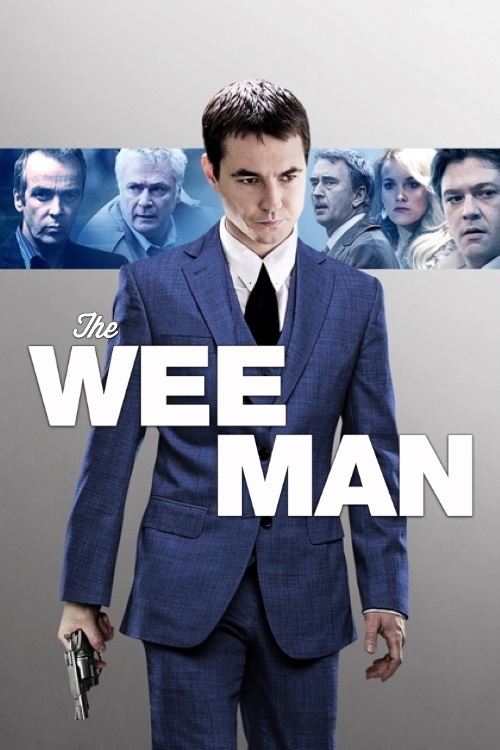
The Wee Man
2013
No user ratings available yet
Representation score: 2.5 out of 10

Representation Score
Limited
1990
RDirector
Peter Medak
Runtime
119 minutes
Average Rating
No ratings yetNew Showbiz Analysis
The film excels in its sophisticated handling of queer identity, using Ronnie Kray's non-straight nature to challenge the social constraints of the era. This adds a nuanced layer to the crime genre's typical archetypes. However, the film remains deeply rooted in traditional hierarchies. The cast is almost exclusively white, reflecting a specific historical period but lacking diversity. Women are largely sidelined by the brothers' criminal dominance. Ultimately, the film's strength lies in its critical view of authority and capitalism. By deconstructing these institutions and presenting a complex shadow economy, it moves beyond simple morality, even while maintaining a narrow demographic focus.
Category Breakdown
Ronnie Kray's non-straight identity is crucial to his psychological instability. This portrayal challenges traditional masculine roles and uses queer themes to create internal tension.
Female characters mainly play supporting roles as wives and girlfriends. They have emotional depth but often react to the brothers' actions rather than driving the plot themselves.
The film features an overwhelmingly white cast reflecting the 1950s and 60s East End. There are no intentional efforts to include diverse racial or ethnic backgrounds.
The film sharply criticizes Western institutions, showing police and state authority as corrupt. It portrays the criminal empire as a complex form of social ability to act.
There are no prominent depictions of physical or neurodivergent disabilities used as central plot devices or character traits.
Present on Screen
Limited or Absent
Official Synopsis
Twins Ronnie and Reggie Kray are raised in east London, under the influence of their hateful but doting mother Violet. As they grow up, Ronnie's violent nature takes over, and Reggie follows his brother's lead. The two become notorious crime lords who rule over the East End club scene. But at the height of their power, the brothers veer into different lives, giving the older crime bosses a chance to reclaim what the Krays took from them.
2013
1967
2019
1962

2003
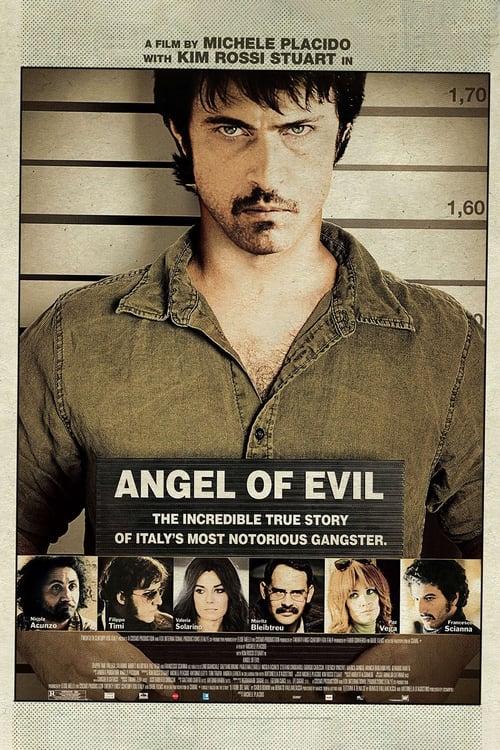
2010
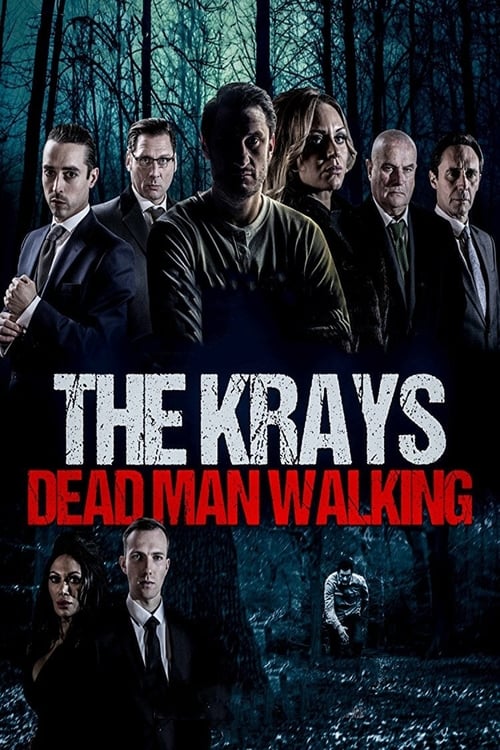
2018
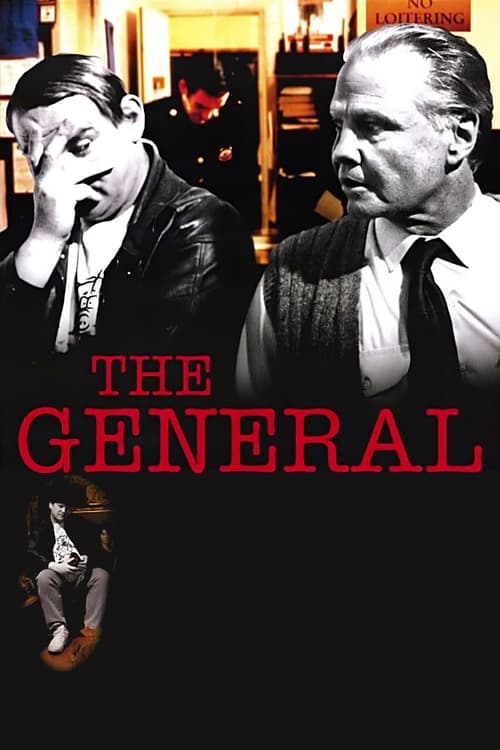
1998
No reviews yet. Be the first to share your thoughts on this movie!
Use the rating form above to leave a star rating and optional review.