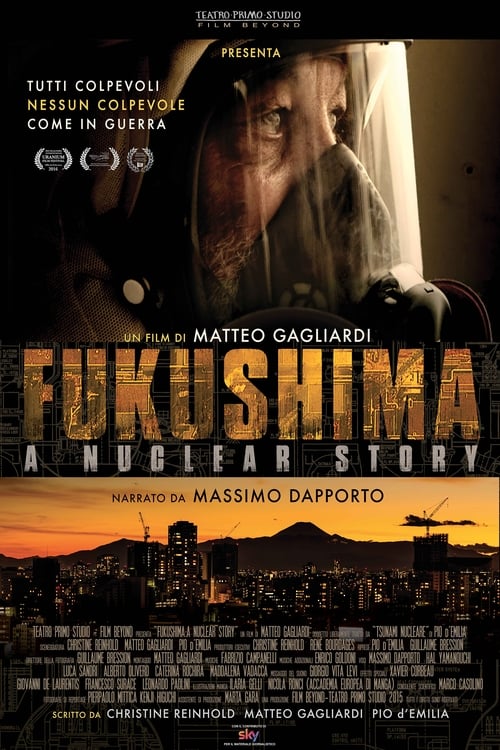
Fukushima: A Nuclear Story
2015
No user ratings available yet
Representation score: 7.8 out of 10
Representation Score
Excellent
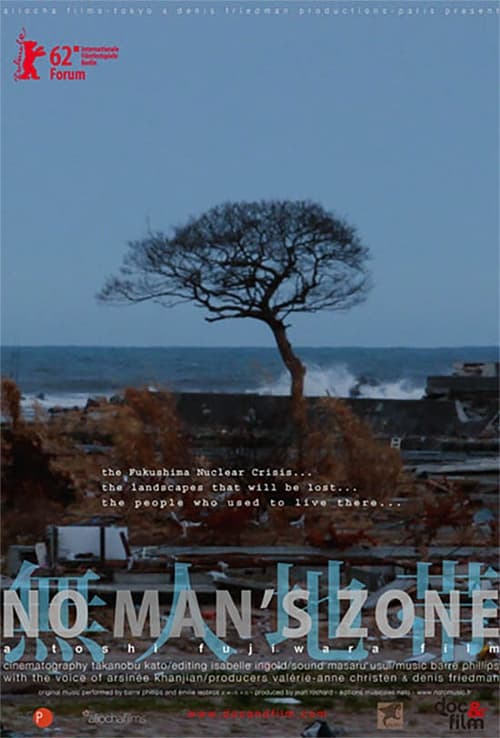
2012
Director
Toshi Fujiwara
Runtime
103 minutes
Average Rating
No ratings yetNew Showbiz Analysis
No Man's Zone shifts the disaster documentary lens away from heroic rescue clichés toward the quiet ability to act of those refusing to evacuate. It uses the juxtaposition of cherry blossoms and protective clothing to critique the perceived safety of industrial infrastructure. The film excels at documenting the friction between individual autonomy and systemic institutional failure. By focusing on the micro-scale of human experience, it provides a profound look at resilience in a landscape of disintegration. While the film is deeply rooted in a specific Japanese context, it avoids being a monolith by treating local identities with depth. It succeeds in framing the post-disaster zone as a space of complex, subjective morality.
Category Breakdown
The documentary focuses on the immediate aftermath of the Fukushima disaster and evacuation logistics. There are no specific LGBTQ+ character arcs or thematic focuses on non-straight relationships present.
The film gives significant roles to individual survivors who challenge state-mandated actions. While it does not explicitly challenge traditional gender roles, it emphasizes personal autonomy over societal norms.
The narrative centers on a localized Japanese population. It highlights the specific cultural and regional identities of Fukushima residents rather than treating them as a homogeneous group.
The film critiques the failures of industrial capitalism and state institutions. It portrays residents as individuals navigating a landscape where traditional structures have failed, emphasizing their subjective moral decisions.
Radiation exposure is treated as a pervasive, invisible condition. The film addresses this by highlighting the psychological and physical uncertainty faced by those living in the contaminated environment.
Present on Screen
Limited or Absent
Official Synopsis
On March 11, 2011, a tsunami struck the coast of Fukushima causing the meltdown of a nearby power plant. Within 24 hours the population within a 20-km radius was ordered to evacuate. Shortly thereafter Toshi Fujiwara entered the so-called "No Man's Zone," interviewing those who either could not or did not want to leave. Haunted by imperceptible traces of radiation, Fukushima has been transformed into an atmosphere of silence and disintegration, a land of cherry blossoms and ghosts in white protective clothing.
2015
2013
1999
2016

2013

2006
2020
2011
No reviews yet. Be the first to share your thoughts on this movie!
Use the rating form above to leave a star rating and optional review.