Fukushima: A Nuclear Story
2015
No user ratings available yet
Representation score: 7.8 out of 10
Representation Score
Good
2013
Director
Yoju Matsubayashi
Runtime
74 minutes
Average Rating
No ratings yetNew Showbiz Analysis
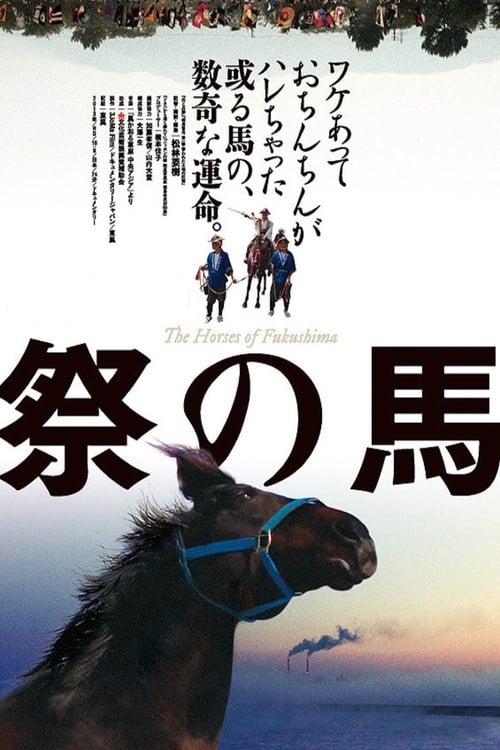
The film is a profound meditation on the intersection of human society, animals, and environmental catastrophe. It succeeds by centering a localized Japanese cultural tradition against the backdrop of a globalized technological failure. By focusing on the Soma Nomaoi festival and the struggle of a single rancher, it provides a necessary non-Western perspective on the nuclear disaster. However, the film's scope is narrow regarding interpersonal identity. It lacks representation for LGBTQ+ individuals, diverse gender roles, or specific disability narratives. The focus remains strictly on the ecological and systemic relationship between man and nature. Ultimately, the work's strength lies in its cultural and systemic critique rather than its breadth of identity-based representation.
Category Breakdown
The film focuses on the ecological and systemic aftermath of the Fukushima meltdown. It does not include explicit LGBTQ+ character arcs or non-cisgender identities.
The narrative centers on the ability to act of Shinichiro Tanaka, a male rancher. There is no evidence of women's ability to drive the story or subversion of gender hierarchies.
The subjects are ethnically homogeneous, rooted in Japanese tradition. However, it avoids a Western-centric lens by centering a local community's struggle against technological catastrophe.
The film offers a deep cultural critique by prioritizing local, organic connections to the land over state-driven nuclear imperatives. It challenges the idea of technological inevitability.
The documentary explores the invisible trauma of radiation and environmental injury. It does not feature characters with specific physical or neurodivergent disabilities as protagonists.
Present on Screen
Limited or Absent
Official Synopsis
Fukushima's Minami-soma has a ten-centuries-long tradition of holding the Soma Nomaoi ("chasing wild horses") festival to celebrate the horse's great contribution to human society. Following the meltdown of the Fukushima Daiichi Nuclear Power Plant in the wake of the March 11, 2011 earthquake and tsunami, local people were forced to flee the area. Rancher Shinichiro Tanaka returned to find his horses dead or starving, and refused to obey the government's orders to kill them. While many racehorses are slaughtered for horsemeat, his horses had been subjected to radiation and were inedible. Yoju Matsubayashi, whose "Fukushima: Memories of the Lost Landscape" is one of the most impressive documentaries made immediately after the disaster, spent the summer of 2011 helping Tanaka take care of his horses. In documenting their rehabilitation, he has produced a profound meditation on these animals who live as testaments to the tragic bargain human society made with nuclear power.
2015
2013
2012
2019
1999

2009
2016
2020
No reviews yet. Be the first to share your thoughts on this movie!
Use the rating form above to leave a star rating and optional review.