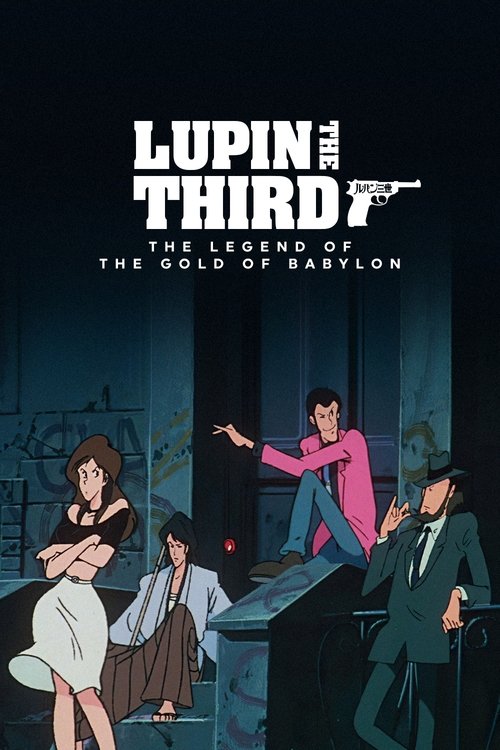
Lupin the Third: The Legend of the Gold of Babylon
1985
No user ratings available yet
Representation score: 5.0 out of 10
Representation Score
Fair
1978
PG-13Director
Soji Yoshikawa
Runtime
102 minutes
Average Rating
No ratings yetNew Showbiz Analysis
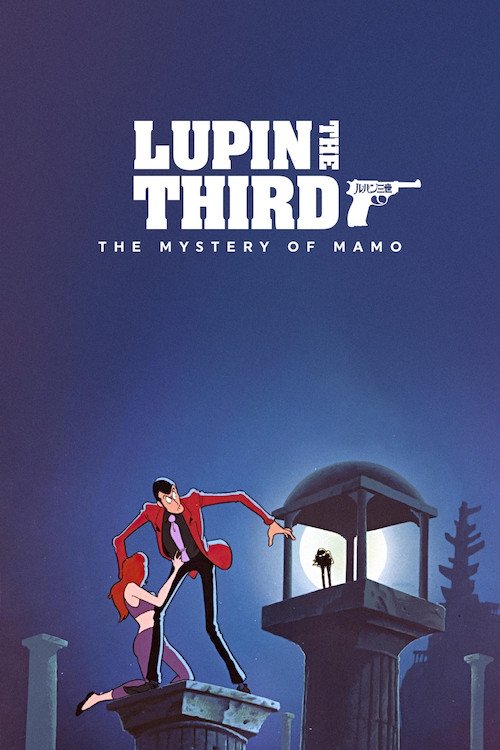
Lupin the Third: The Mystery of Mamo stands out as a sophisticated genre piece that challenges traditional hierarchies. Its most progressive element is the treatment of gender, specifically through Fujiko Mine's significant narrative autonomy and control over her own story. The film also excels in its thematic deconstruction of authority. By framing the protagonists as moral relativists fighting a tyrannical antagonist, the story moves beyond simple crime clichés into a critique of systemic power. However, the film remains limited by the social conventions of its era. It lacks LGBTQ+ representation and does not center on specific multi-layered identities, maintaining a focus on traditional romantic and pulp-adventure structures.
Category Breakdown
The film follows 1970s genre conventions, focusing on traditional romantic rivalries. There are no queer narratives or non-cisgender identities present in the plot.
Fujiko Mine disrupts conventional hierarchies by acting as a actively leading protagonist. She uses intellect and sexuality to manipulate power dynamics rather than serving as a passive object.
The film adopts a cosmopolitan, globalized aesthetic. By utilizing an international backdrop, the narrative suggests an interconnected world rather than a strictly homogeneous setting.
The story offers a critique of absolute power and totalitarian control. The protagonists represent a rebellion against oppressive structures through their disregard for legal institutions.
There are no prominent depictions of physical or neurodivergent disabilities that drive the central character arcs or narrative.
Present on Screen
Limited or Absent
Official Synopsis
While attempting to win the affections of a beautiful rival, a master thief risks death to learn the secret intentions of a wealthy and seemingly immortal, but certainly ruthless, recluse.
1985
1979
1994

2019

1987

2014

1999
2002
No reviews yet. Be the first to share your thoughts on this movie!
Use the rating form above to leave a star rating and optional review.