
Yao
2019
No user ratings available yet
Representation score: 4.2 out of 10
Representation Score
Limited
2019
TV-MADirector
Gerardo Olivares
Runtime
105 minutes
Average Rating
No ratings yetNew Showbiz Analysis
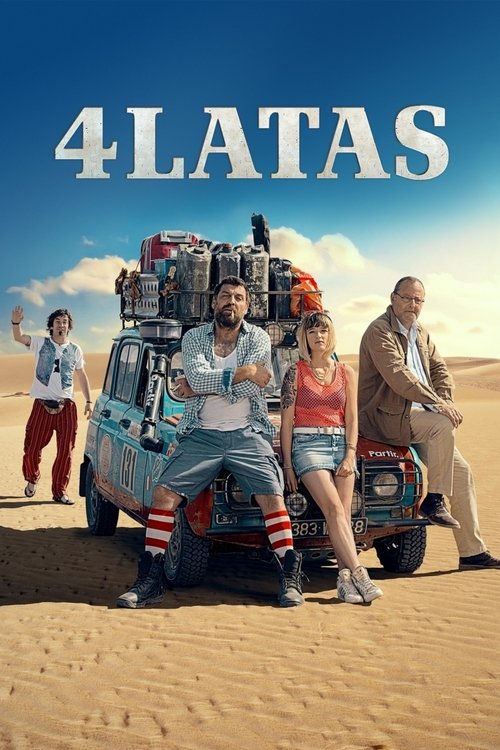
4L succeeds as a cross-continental odyssey that disrupts the traditional Eurocentric travelogue. By utilizing the Sahara as a transformative space, the film moves beyond Western-centric perspectives to embrace a more globalized morality. However, the film remains limited by its traditional gender dynamics and a total absence of LGBTQ+ representation. The focus stays strictly on survivalist camaraderie and familial connections, which limits its engagement with diverse social identities. Ultimately, the film's strength lies in its ethnic and cultural authenticity. It provides a significant departure from conventional European cinema by granting real power to characters navigating post-colonial landscapes.
Category Breakdown
The film does not explicitly depict LGBTQ+ identities or non-cisgender gender expressions. It focuses on platonic and familial bonds, leaving this category unaddressed.
The story follows a traditional framework centered around male protagonists. While the character Ely provides an emotional anchor, the film does not actively challenge masculine hierarchies or center female dominance.
The production excels by centering North African and Tuareg identities. By incorporating indigenous nomadic elements, it moves away from Western-centric perspectives to offer a nuanced view of the landscape.
The narrative decenters Western societal norms by focusing on nomadic lifestyles and survival. This creates a sense of moral relativism where traditional Western institutions are secondary to the environment.
There is no evidence of characters navigating visible or invisible disabilities as central plot drivers within the narrative.
Present on Screen
Limited or Absent
Official Synopsis
To find Joseba, a dying friend, and see him reunite with his daughter Ely, two old friends, Jean Pierre and Tocho, embark with her on a road trip through the Sahara desert, from Spain to Mali.
2019

2010

2023
2018
2014
2010

2015
2019
No reviews yet. Be the first to share your thoughts on this movie!
Use the rating form above to leave a star rating and optional review.