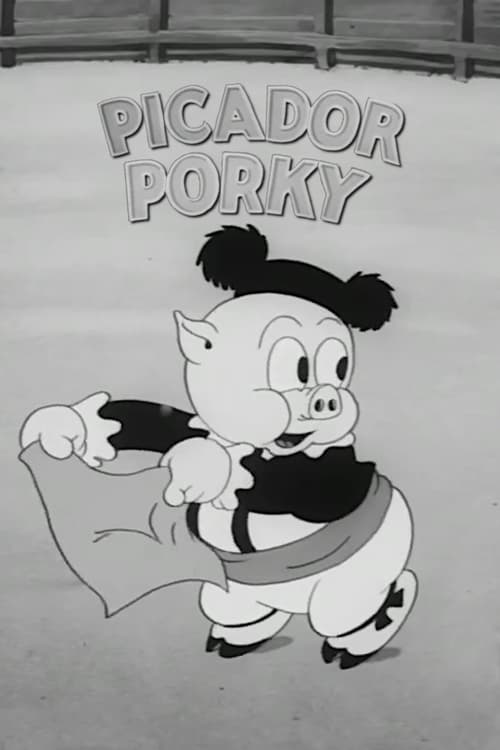
Picador Porky
1937
No user ratings available yet
Representation score: 1.3 out of 10
Representation Score
Minimal
1937
ApprovedDirector
Frank Tashlin
Runtime
7 minutes
Average Rating
No ratings yetNew Showbiz Analysis
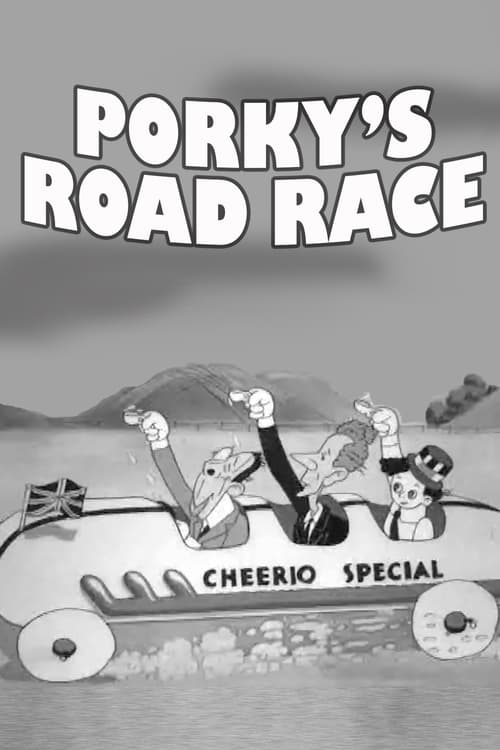
Porky's Road Race is a product of its time, functioning as a standard comedic short that upholds the social hierarchies of the 1930s. The narrative relies on slapstick humor and physical gags rather than social commentary. The film lacks diverse representation, focusing instead on a male-dominated racing event. While a non-white character name is mentioned, the depth of this representation remains unverified and likely peripheral. Ultimately, the work celebrates Western values of wealth and competition, offering no disruption to the cultural status quo of the era.
Category Breakdown
The film does not include any LGBTQ+ characters or identities that go against the assumption that everyone is straight or cisgender. It follows the social norms of the 1937 era.
The story centers around a competitive racing environment that emphasizes masculine roles. Female characters have little influence and do not challenge traditional gender hierarchies.
The presence of a black car driven by 'Borax Karoff' suggests a move away from a completely homogeneous cast. However, this seems to be a minor plot point rather than a meaningful representation.
The story reinforces typical Western themes of competition and individual success. It operates within a traditional capitalist framework focused on a high-stakes monetary prize.
There are no characters with visible or invisible disabilities. Disability is not used as a narrative device in this short.
Present on Screen
Limited or Absent
Official Synopsis
It's race day, and first prize is $2 million (less $1,999,998.37 in taxes). Porky's little car is matched against cars driven by stars of yesteryear, including Laurel and Hardy and Charlie Chaplin. When the black #13 driven by "Borax Karoff" makes a bid for the finish line, can Porky fend him off?
1937
1932
1933
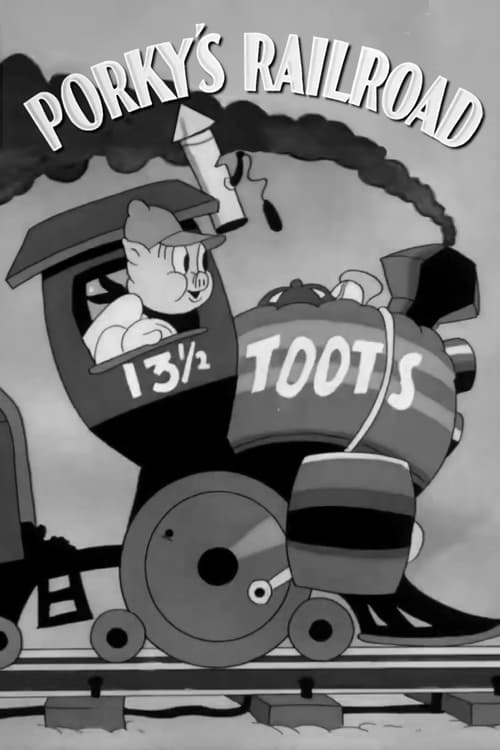
1937
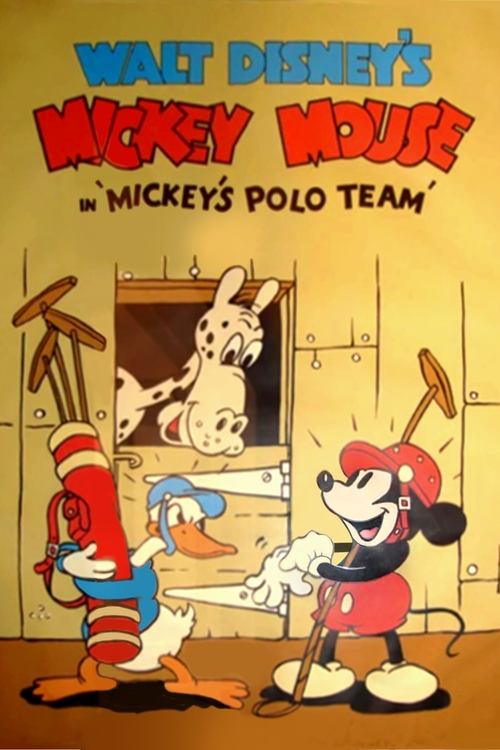
1936
1936
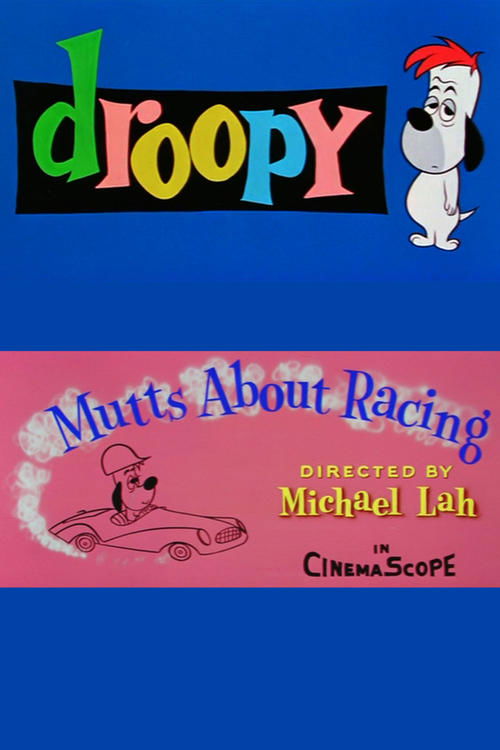
1958
1936
No reviews yet. Be the first to share your thoughts on this movie!
Use the rating form above to leave a star rating and optional review.