
Beau Bosko
1933
No user ratings available yet
Representation score: 0.7 out of 10
Representation Score
Minimal
1936
ApprovedDirector
Frank Tashlin
Runtime
8 minutes
Average Rating
No ratings yetNew Showbiz Analysis
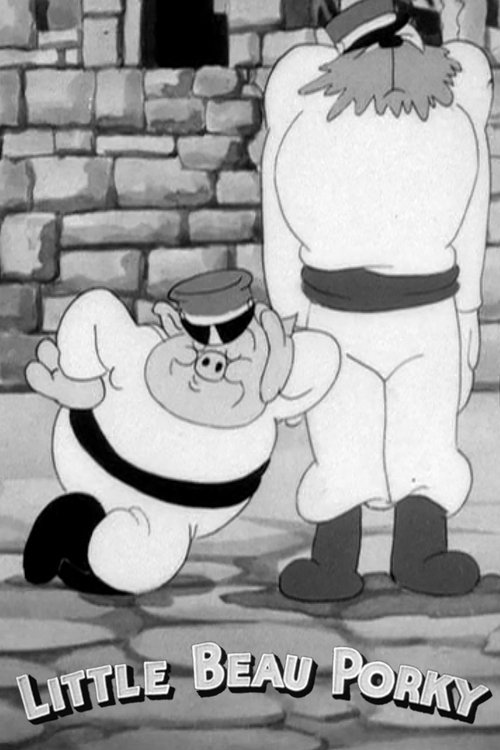
Little Beau Porky is a product of the mid-1930s animation industry, functioning as a standard comedic short that reinforces existing social hierarchies. The narrative relies heavily on conventional character archetypes and traditional storytelling clichés. The film lacks engagement with progressive or multi-layered themes, instead relying on a hero-versus-villain structure that prioritizes slapstick humor over meaningful representation or the subversion of established social norms.
Category Breakdown
The film does not depict any non-binary gender identities or same-sex relationships. The story centers on the protagonist's journey within a military environment.
The narrative follows traditional 1930s archetypes, focusing on a single male protagonist without exploring complex gendered power dynamics or deconstructing masculine roles.
Set in a stylized North African context, the film uses broad, period-typical caricatures. The representation relies on historical stereotypes without nuanced character development.
The film operates within a traditional Western comedic framework, reinforcing a hero-versus-villain structure that upholds conventional morality without challenging established hierarchies.
There are no characters with visible or invisible disabilities. Slapstick elements focus on physical comedy rather than the lived experiences of disabled individuals.
Present on Screen
Limited or Absent
Official Synopsis
Porky's in the foreign legion. But he's not allowed to fight; all he can do is scrub camels, and he's not particularly good at that. The other soldiers ride off to find the evil Ali Mode, leaving Porky behind. Ali Mode notices, and tries to gain entrance to the fort, first by tricking Porky, then by tunnelling, then by military assaults, but Porky rebuffs all attempts, ultimately landing Ali Mode in a big vat of "Cairo Syrup" and collecting a chestful of medals.
1933
1937
1937
1939
1940
1943
1944
1937
No reviews yet. Be the first to share your thoughts on this movie!
Use the rating form above to leave a star rating and optional review.