Latin Lovers
1965
No user ratings available yet
Diversity score: 1.6 out of 10
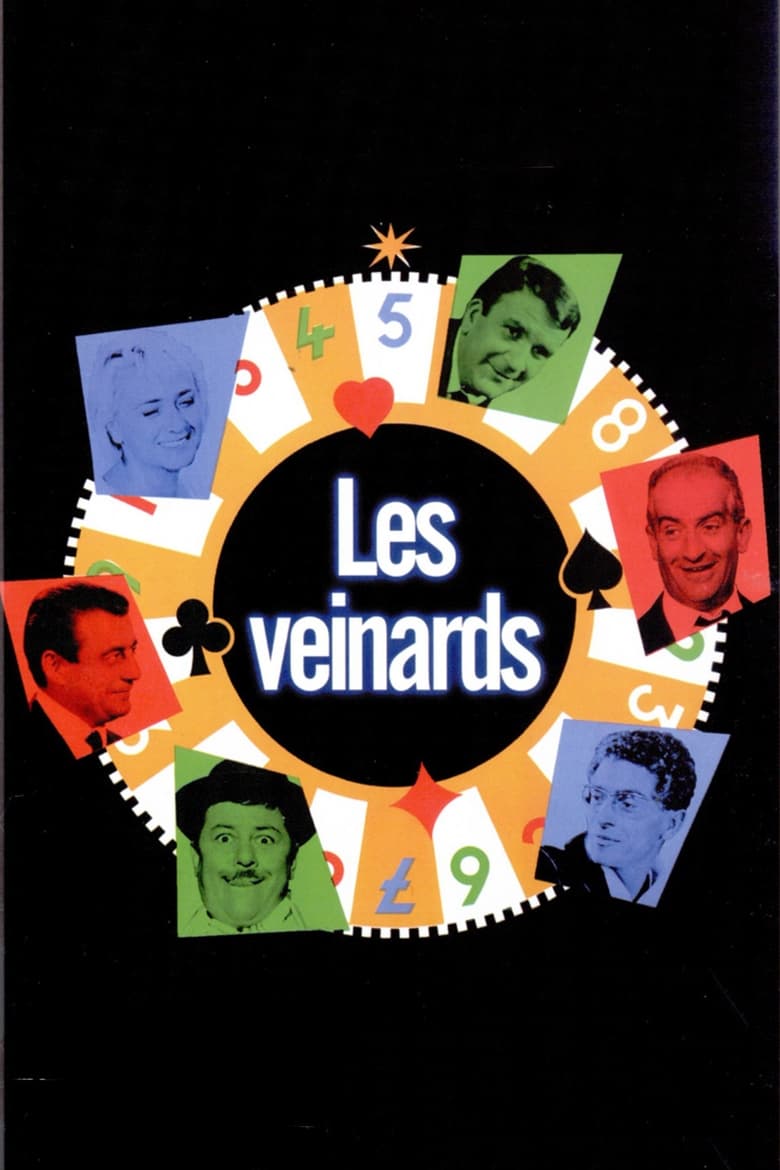
1963
Director
Philippe de Broca, Jack Pinoteau, Jean Girault
Runtime
95 minutes
Average Rating
No ratings yetSynopsis
A light French comedy of 5 segments.
Overall Score
Limited
Category Breakdown
LGBTQ+ Representation
The film contains no documented evidence of non-cisnormative identities. There are no narratives present that critique heteronormativity.
Gender Representation
The narrative likely adheres to the conventional gender hierarchies of 1963. There is no evidence of female agency or the subversion of traditional roles.
Racial & Ethnic Diversity
Casting likely reflects the homogeneous social norms of the early 1960s French studio system. There is no evidence of non-white or intersectional casting.
Religious & Cultural Diversity
The film focuses on traditional comedic tropes rather than anti-institutional narratives. It appears to adhere to conventional social mores and standard Western storytelling.
Disability Representation
No characters or plot points involving physical disabilities or neurodivergence are identified. The film lacks representation in this category.
Strengths
Areas for Improvement
AI Analysis
People in Luck is a traditional mid-century French comedy that operates within the established social frameworks of its era. The anthology structure prioritizes situational humor over any meaningful exploration of identity or systemic critique. The film lacks the complexity required to meet modern intersectional standards. It functions as a light, episodic work that maintains the status quo rather than disrupting traditional hierarchies. Ultimately, the production reflects the homogeneous social norms of 1960s France, offering little in the way of progressive representation or diverse character agency.
1965

1957
1974

1954
1953

1983
1973
1972
1963

1966
1960
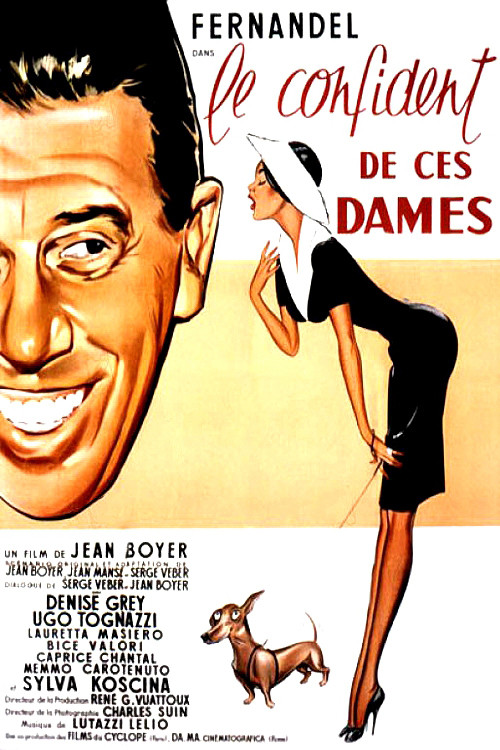
1959
No reviews yet. Be the first to share your thoughts on this movie!
Use the rating form above to leave a star rating and optional review.