
Johnny Belinda
1948
No user ratings available yet
Representation score: 4.7 out of 10
Representation Score
Minimal
1952
ApprovedDirector
Alexander Mackendrick
Runtime
93 minutes
Average Rating
No ratings yetNew Showbiz Analysis
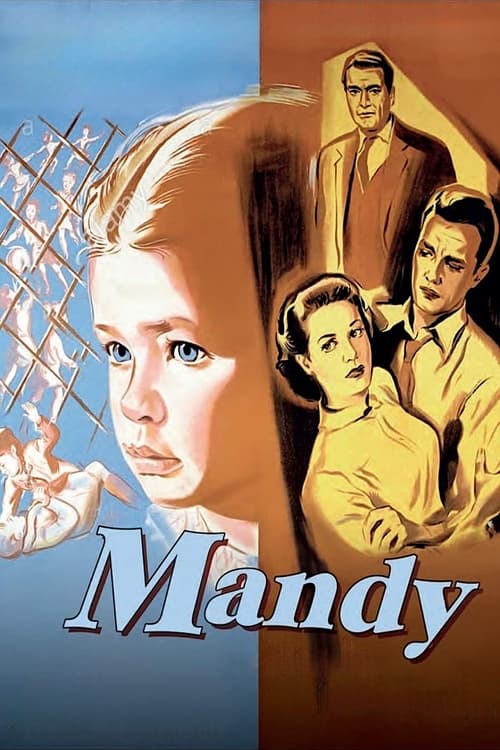
Mandy is a period-specific character study that prioritizes traditional storytelling and social cohesion. It reflects mid-century norms rather than challenging them. The film's main strength is its portrayal of a deaf child's lived experience, providing a realistic depiction of communication and educational challenges. However, the narrative lacks complexity in representing diverse identities and social structures.
Category Breakdown
The film follows the strict social structures of 1950s England and does not include any non-straight or non-cisgender identities or same-sex relationships.
Despite featuring a female protagonist, the film upholds traditional gender roles and focuses on domestic life and societal expectations.
The cast and setting depict a homogeneous post-war English society. The film does not intentionally include racial or ethnic diversity and maintains an Anglo-Saxon focus.
The story highlights community unity and traditional social norms. It portrays village hierarchies and families as stable foundations of society.
The plot centers around the experiences of a deaf child. It avoids stereotypes by emphasizing disability as a humanizing factor in the family's journey.
Present on Screen
Limited or Absent
Official Synopsis
London, the early 1950s. Born deaf, Mandy is mute for most of her childhood. As she reaches school age her family itself is in danger of breaking up. Christine, Mandy's mother, has heard of a residential school for the oral education of the deaf.
1948
1945
1956
1967
1957
1969

2017
1970
No reviews yet. Be the first to share your thoughts on this movie!
Use the rating form above to leave a star rating and optional review.