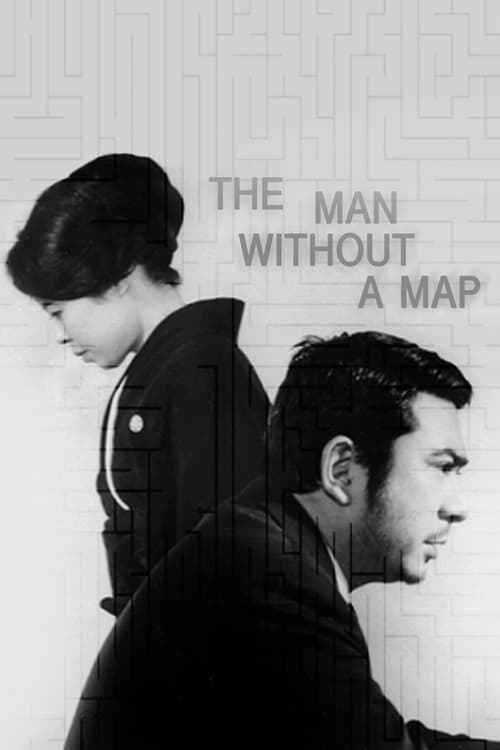
The Man Without a Map
1968
No user ratings available yet
Representation score: 5.4 out of 10

Representation Score
Fair
1962
Not RatedDirector
Hiroshi Teshigahara
Runtime
97 minutes
Average Rating
No ratings yetNew Showbiz Analysis
Hiroshi Teshigahara’s *Pitfall* is a nuanced exploration of existential fragmentation. It dismantles traditional social structures and the mid-century ideal of a stable family unit through its portrayal of urban alienation. The film’s strength lies in its cultural critique, examining the erosion of traditional Japanese values amid rapid modernization. However, it lacks explicit identity-based diversity, offering no representation for LGBTQ+ identities or multi-ethnic perspectives.
Category Breakdown
The film centers on a closed social circle dominated by heterosexual obsessions and infidelity. It does not include any queer subtext or diverse gender identities.
Female characters challenge traditional gender roles through complex and disruptive sexual dynamics. They are not confined to passive roles and instead confront mid-century expectations of feminine behavior.
The film portrays a culturally uniform Japanese society in 1962. It does not feature a multi-ethnic cast but delves deeply into the Japanese experience during a time of significant economic and social change.
The narrative criticizes Western-influenced modernization and the spiritual void created by capitalist growth. It presents the decline of traditional authority as an inevitable social outcome.
The film does not prominently feature characters with disabilities as central narrative drivers.
Present on Screen
Limited or Absent
Official Synopsis
A man wanders into a seemingly deserted town with his young son in search of work. But after a bit of bad luck, he joins the town's population of lost souls.
1968

1949
1993

1954
1961
1975

1961

1988
No reviews yet. Be the first to share your thoughts on this movie!
Use the rating form above to leave a star rating and optional review.