
Charlotte Link - In the Valley of the Fox
2020
No user ratings available yet
Representation score: 3.7 out of 10
Representation Score
Fair
1961
Director
Yoshitarō Nomura
Runtime
95 minutes
Average Rating
No ratings yetNew Showbiz Analysis
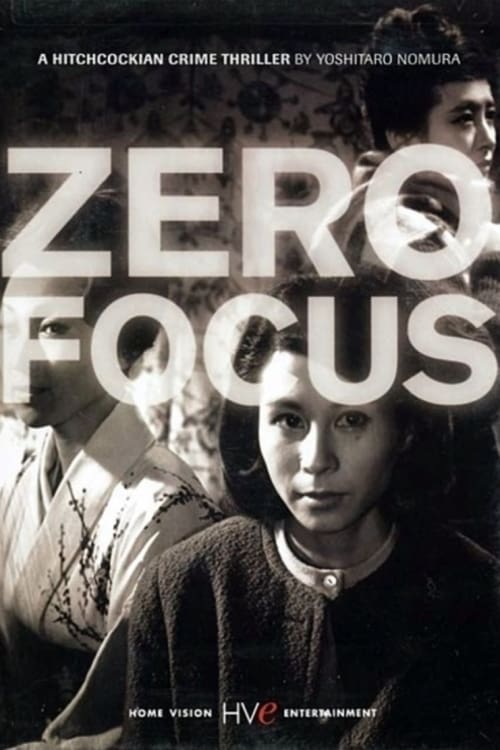
Zero Focus is a character-driven mystery that examines the stability of the nuclear family. It highlights a female protagonist with strong ability to act and intellect, moving beyond passive roles. However, the film lacks LGBTQ+ representation and diverse racial backgrounds. The cast reflects a specific cultural context, limiting broader demographic variety. The film's strength lies in its thematic depth, critiquing social conformity and exploring fragmented identities.
Category Breakdown
The film doesn't include explicit LGBTQ+ identities or same-sex relationships. It centers on the breakdown of a traditional marriage and delves into the husband's hidden past.
Teiko's character showcases strong women's ability to drive the story. She transitions from a domestic role to an active investigator, driving the story forward.
The cast is culturally uniform, fitting the Japanese context. While there's no multi-layered racial diversity, the film stays true to its cultural roots without Western casting.
The story questions the stability of traditional institutions and the nuclear family. It explores moral ambiguity and the tension between personal identity and post-war societal norms.
The film does not feature any prominent physical or cognitive disabilities. Characters face psychological and socio-economic challenges rather than disability-related issues.
Present on Screen
Limited or Absent
Official Synopsis
One week into newlywed Teiko Uhara's marriage, her husband, Kenichi, leaves on a short business trip and never returns. Teiko travels across Japan to search for him, and along the way discovers some surprising facts about her husband's past. With only a pair of old photographs among his belongings to go off of, Teiko tries to figure out what has happened to him.
2020

1962
2009
1960

2020
1968
2001

2012
No reviews yet. Be the first to share your thoughts on this movie!
Use the rating form above to leave a star rating and optional review.