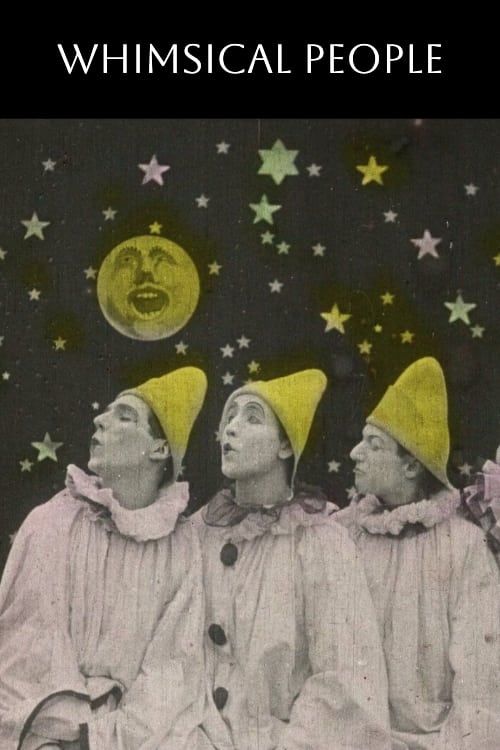
Whimsical People
1908
No user ratings available yet
Representation score: 3.6 out of 10
Representation Score
Minimal
1907
Director
Segundo de Chomón
Runtime
3 minutes
Average Rating
No ratings yetNew Showbiz Analysis
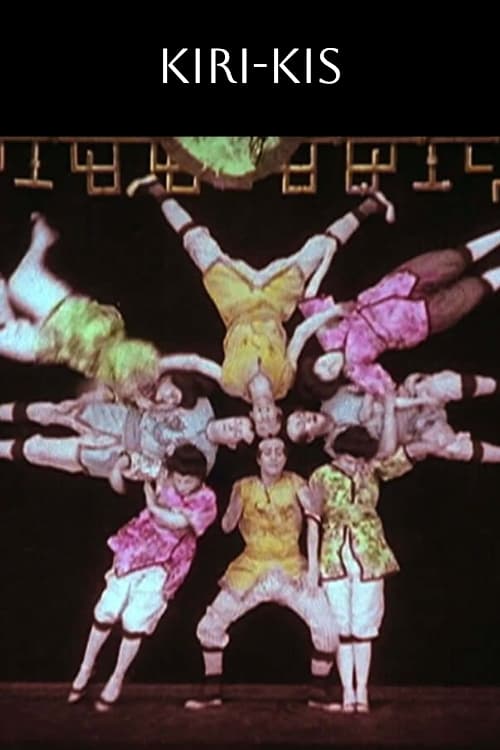
This early silent film prioritizes technical spectacle and cinematic illusions over social or identity-based storytelling. The narrative hinges on the 'trick' of the camera to achieve impossible acrobatic feats. Representation is largely performative. The use of Japanese identity appears to be a stylistic choice for the troupe's persona rather than an exploration of authentic culture. The film reflects the traditional entertainment standards of the early 20th century.
Category Breakdown
The film centers on a family troupe of acrobats. There are no depictions of same-sex relationships or narratives that challenge the assumption that everyone is straight.
The narrative revolves around a family troupe with traditional roles. Performers' roles mirror those of early 1900s performance troupes without challenging gender hierarchies.
The troupe is portrayed as having Japanese appearance. This representation uses visual stereotypes rather than exploring authentic cultural nuances or giving characters significant roles.
The film focuses on showcasing trick photography techniques. It emphasizes spectacle over engaging with secular themes or critiquing social institutions.
There is no evidence of characters with visible or invisible disabilities in the historical records.
Present on Screen
Limited or Absent
Official Synopsis
A family troupe of acrobats, made up to appear Japanese, perform various unbelievable stunts in front of the camera, achieved through a trick of the camera.
1908
1908
1904
1904
1900
1906
1901
1909
No reviews yet. Be the first to share your thoughts on this movie!
Use the rating form above to leave a star rating and optional review.