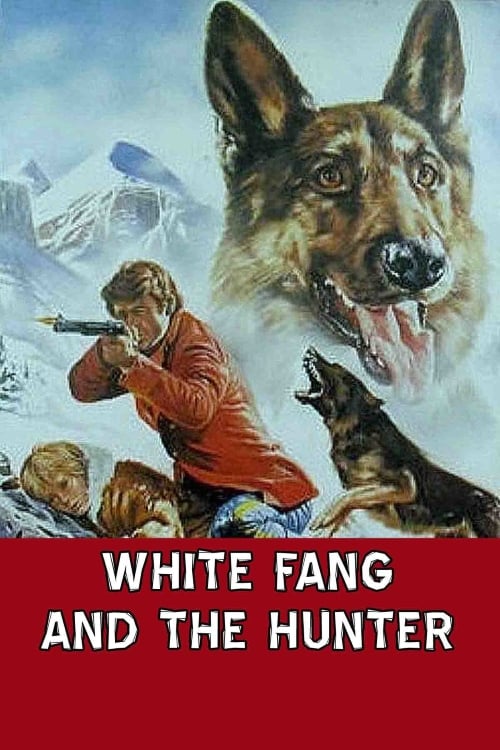
White Fang and the Hunter
1975
No user ratings available yet
Representation score: 0.6 out of 10
Representation Score
Minimal
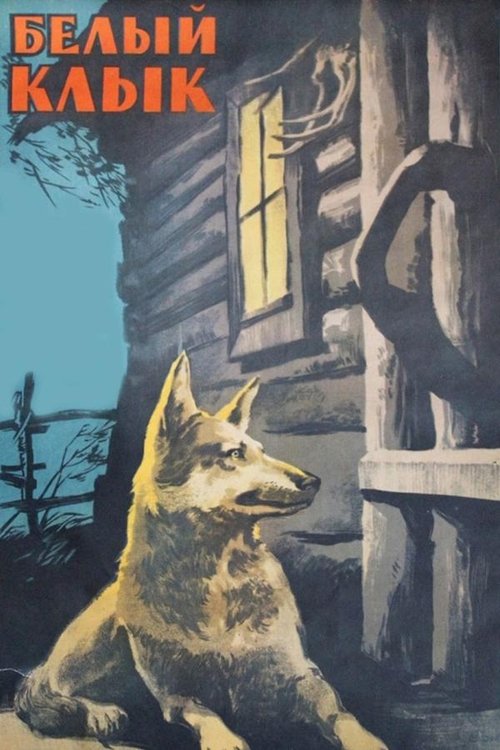
1946
Director
Aleksandr Zguridi
Runtime
84 minutes
Average Rating
No ratings yetNew Showbiz Analysis
The film is a classic survivalist adventure that adheres to the social and cinematic norms of the mid-20th century. It prioritizes the natural struggle of individuals against the environment over progressive social commentary. Representation is limited by the era's constraints, favoring conventional gender and racial hierarchies. The narrative structure emphasizes masculine-driven plots and traditional colonial clichés within the frontier setting. Overall, the work lacks depth in representing diverse identities, focusing instead on the relationship between humans and nature.
Category Breakdown
The film does not include any LGBTQ+ characters or narratives. The story centers around the relationship between the animal protagonist and its human handlers.
The narrative follows a traditional masculine framework. Male figures such as hunters and owners drive the plot, while female characters are sidelined.
The cast is primarily white, fitting the Klondike setting. An Indigenous character appears but lacks the depth needed to challenge traditional colonial stereotypes.
The film emphasizes naturalism and survivalism. It portrays the frontier as a place of primal struggle where morality is based on instinct rather than societal norms.
There are no characters with visible or invisible disabilities. Disability is not used as a primary theme in the narrative.
Present on Screen
Limited or Absent
Official Synopsis
According to the story by Jack London. The history of the wild wolf, who picked up the boy and raised an Indian. After falling to the evil man - the owner of the bar, White Fang turned into a ferocious evil beast, coming out victorious from all the dog fights, which suited his enterprising owner. But once it strangled, snatched from the jaws of the bulldog engineer Weedon Scott. His kindness has transformed the beast.
1975
1991

1997
1988
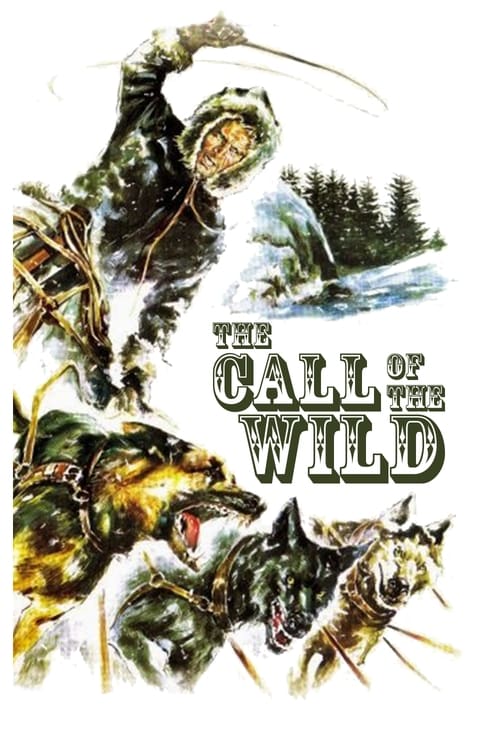
1972
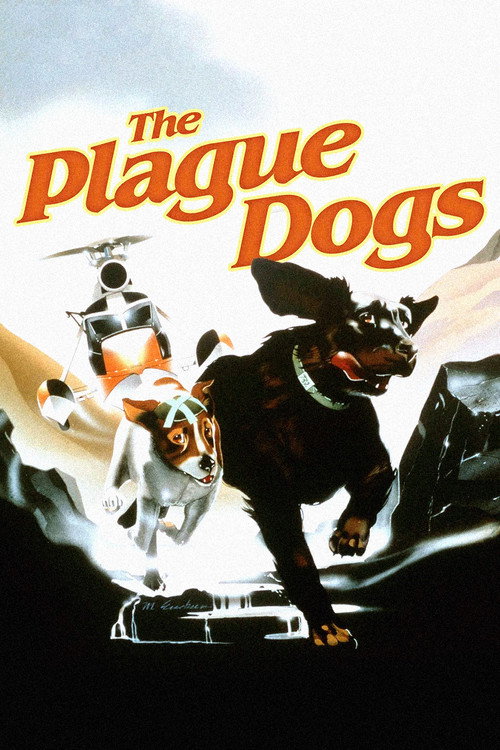
1982
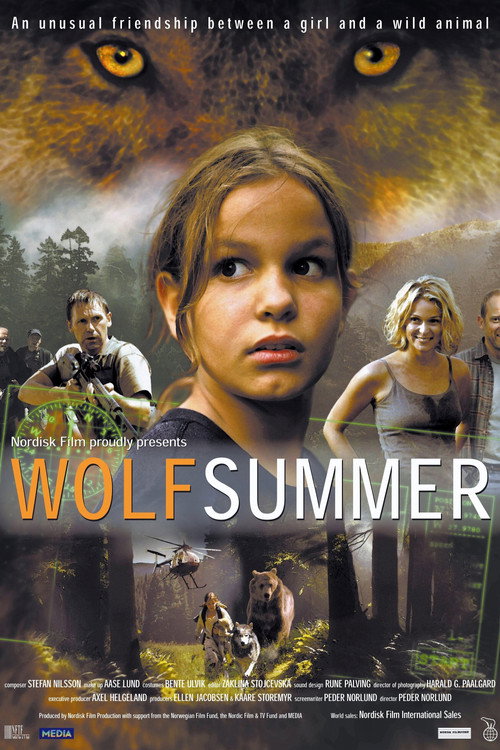
2003
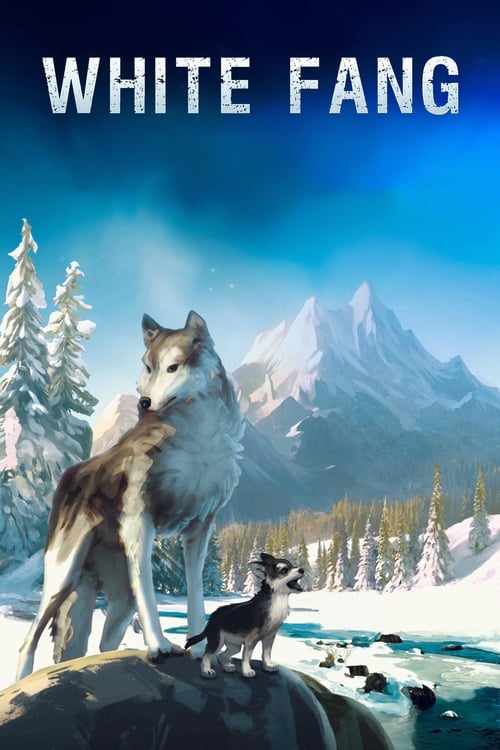
2018
No reviews yet. Be the first to share your thoughts on this movie!
Use the rating form above to leave a star rating and optional review.