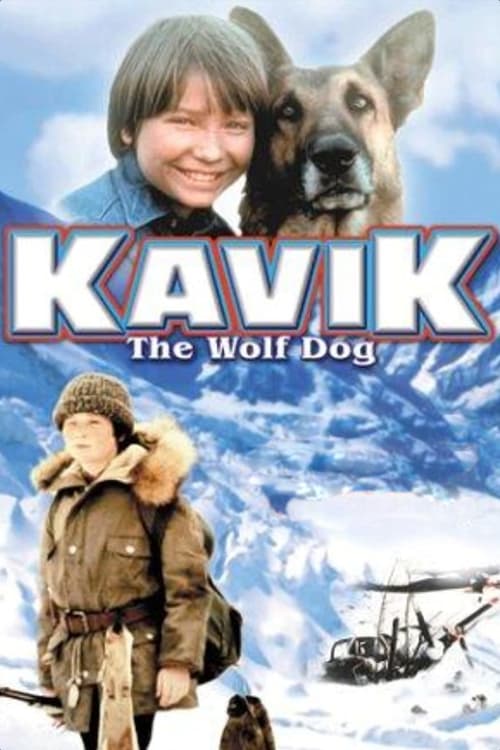
The Courage of Kavik, the Wolf Dog
1980
No user ratings available yet
Representation score: 4.4 out of 10

Representation Score
Fair
1964
NRDirector
James B. Clark
Runtime
93 minutes
Average Rating
No ratings yetNew Showbiz Analysis
Island of the Blue Dolphins stands out for its challenge to traditional gender roles. By placing a female indigenous character in a position of complete autonomy, the film defies the conventional adventure genre clichés of the 1960s. While the film provides meaningful racial representation by centering an indigenous perspective, it remains confined by the limitations of its time. The narrative lacks the layered complexity and systemic critiques seen in modern cinema. Overall, the film is a transitional work that highlights a strong, capable female lead but falls short in representing LGBTQ+ identities and disabilities.
Category Breakdown
The film does not include any LGBTQ+ characters or explore non-straight identities. The story focuses solely on the protagonist's survival journey.
Karana challenges mid-20th century gender roles by demonstrating great strength and independence. She handles survival tasks such as hunting and building shelters, emphasizing intelligence and resilience over passive roles.
The story centers around a Native American protagonist and an indigenous viewpoint. The plot portrays a white trapper as an intrusive element, subtly criticizing the effects of colonial expansion.
The film showcases a subsistence-focused tribal society centered on nature rather than Western institutions. It avoids singular Christian morality, focusing instead on the ethics of survival.
There is no significant representation of physical or neurodivergent disabilities. The characters' struggles are framed through environmental survival rather than disability-related issues.
Present on Screen
Limited or Absent
Official Synopsis
Based on the beloved book by Scott O'Dell, this family movie tells the adventures of a young Native American girl. After her father is killed by a malevolent white trapper, Karana joins her community as they leave their island home in the Pacific to live on the mainland. Upon her departure, Karana realizes that her brother has been left behind. She immediately swims back to be with him and the two remain on the abandoned island. Though Karana is able to domesticate a wolf, her brother is not so fortunate with the animals and is killed by a pack of wild dogs. She is left to survive against the odds.
1980

1957
1990
1985

1974

1963

1970
1966
No reviews yet. Be the first to share your thoughts on this movie!
Use the rating form above to leave a star rating and optional review.