Wolf Summer
2003
No user ratings available yet
Representation score: 4.0 out of 10
Representation Score
Limited
1998
Director
Raimo O. Niemi
Runtime
102 minutes
Average Rating
No ratings yetNew Showbiz Analysis
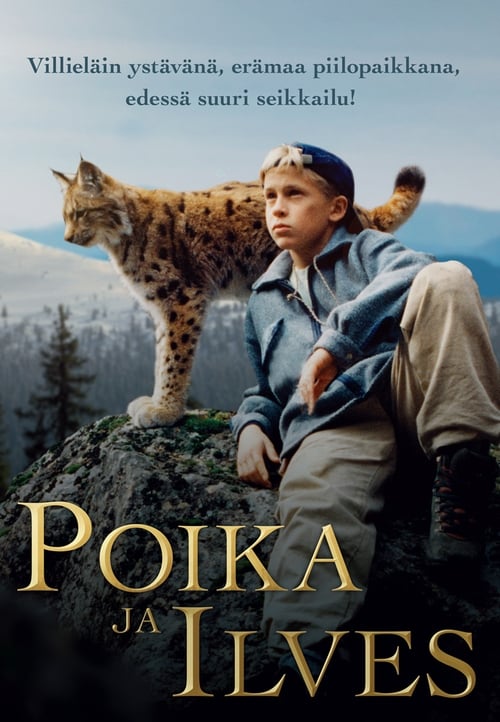
Tommy and the Wildcat is a character-driven regional drama that prioritizes traditional familial structures and coming-of-age clichés. While it avoids systemic complexity, it offers a nuanced look at environmental ethics through the lens of a mother’s legacy. The film’s strengths lie in its exploration of individual moral decision-making against institutional goals. It uses the protagonist’s connection to the landscape to challenge professional or systemic management styles. However, the work lacks diverse casting and intentional disruption of social hierarchies. The focus remains largely on a localized, homogeneous demographic within a male-centric narrative framework.
Category Breakdown
The film focuses on a traditional nuclear family dynamic between a father and son. There are no visible LGBTQ+ characters or narratives addressing non-assuming gender matches what was assigned at birth identities.
The story centers on male protagonists, following traditional coming-of-age clichés. However, the plot is driven by the discovery of a deceased mother’s environmental activism, providing a subtle maternal influence.
Set in a Lapp village, the film occupies a region with significant Sámi presence. However, the narrative lacks explicit evidence of indigenous ability to act or multi-layered casting.
The film explores the tension between institutional environmental projects and individual ecological ethics. It prioritizes a subjective morality rooted in a personal connection to nature.
There is no documented evidence of characters with visible or invisible disabilities. The narrative does not utilize disability as a central device.
Present on Screen
Limited or Absent
Official Synopsis
Twelve-year-old Tommy reluctantly moves with his father from the big city to a small Lapp village - the childhood home of his mother, who has recently died. The village is close to the northernmost wildlife reserve in the world, where Tommy's father will be working on a project to release a captive lynx into the wild. The boy gradually falls under the spell of his new surroundings, and discovers that his mother was involved in protecting the local lynx, and, when his father's project fails, and the lynx is about to be sold, he decides to set it free himself. A dramatic series of events ensues, and Tommy, through his brave actions, regains the trust and respect of his family and the village.
2003
1988
1974
1966
1972
2015
2003

2005
No reviews yet. Be the first to share your thoughts on this movie!
Use the rating form above to leave a star rating and optional review.