Chico, the Misunderstood Coyote
1961
No user ratings available yet
Representation score: 2.5 out of 10

Representation Score
Minimal
1997
PGDirector
Peter Svatek
Runtime
91 minutes
Average Rating
No ratings yetNew Showbiz Analysis
This adaptation of Jack London's classic focuses strictly on the survivalist bond between a dog and its handlers. The film prioritizes historical genre clichés and period-accurate adventure over contemporary storytelling that reflects multiple aspects of identity. The production reinforces the social and demographic hierarchies of the Klondike Gold Rush era, functioning as a conventional period piece that lacks intentional efforts to diversify the historical setting or challenge established gender roles.
Category Breakdown
The film does not depict any LGBTQ+ identities or same-sex relationships. It adheres to a traditional framework that assumes everyone is straight and cisgender, fitting the 19th-century setting.
The story focuses on male-dominated labor and survivalist dynamics. Women play minor roles, and the plot centers around the dog and male prospectors, limiting women's ability to drive the story.
The cast is primarily white, reflecting the historical demographics of the Klondike Gold Rush. There is no indication of multicultural social landscapes or color-blind casting.
The story explores the tension between civilization and nature through a traditional lens. Greed is portrayed as an individual moral failing rather than a systemic issue.
The film does not depict any visible or invisible disabilities. Characters are defined by their physical utility and survival capabilities within the wilderness.
Present on Screen
Limited or Absent
Official Synopsis
Jack London's classic story from 1903 about Buck, a dog kidnapped from his home in California and taken to the Yukon where he is mistreated until a prospector discovers him and relates to his situation. Although the two are bonded, Buck yearns to run free with the wild dogs in the wilderness.
1961

1995
1974
1991
1980
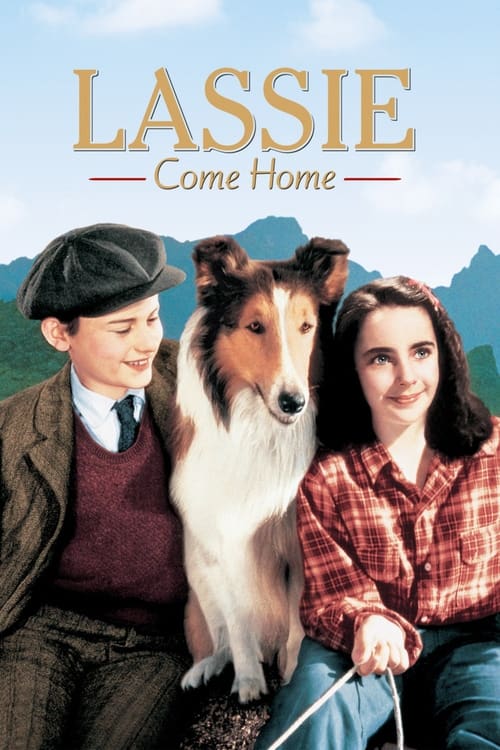
1943

2020

2005
No reviews yet. Be the first to share your thoughts on this movie!
Use the rating form above to leave a star rating and optional review.