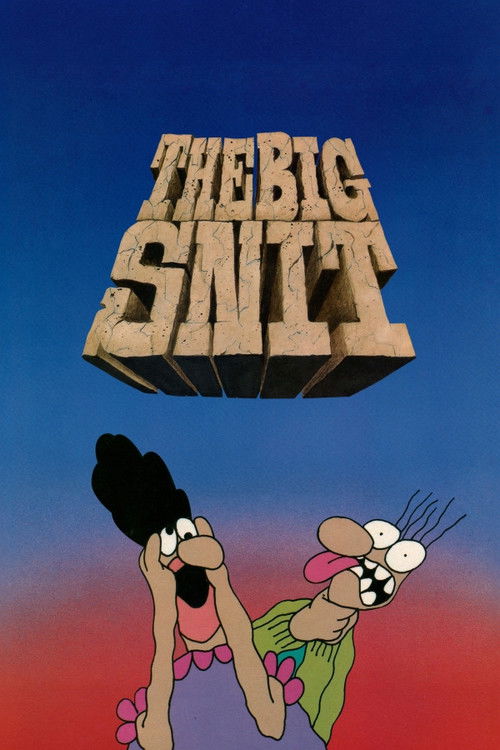
The Big Snit
1985
No user ratings available yet
Representation score: 2.5 out of 10
Representation Score
Limited
1962
Director
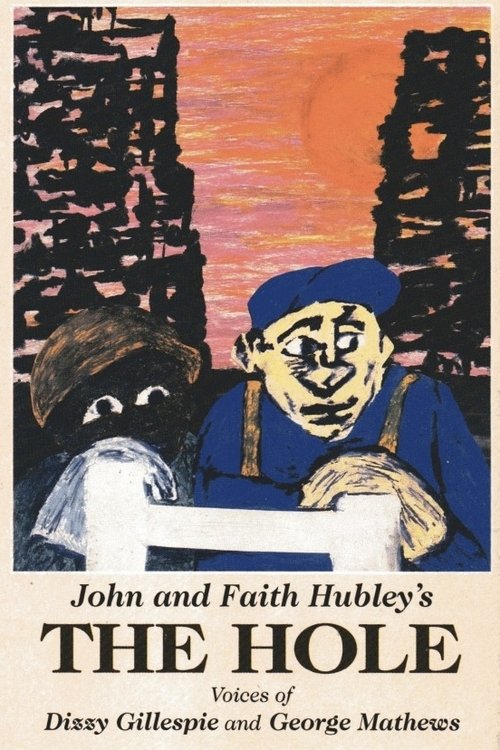
John Hubley
Runtime
15 minutes
Average Rating
No ratings yetNew Showbiz Analysis
John Hubley’s experimental animation prioritizes philosophical inquiry over demographic representation. By using non-humanoid, geometric shapes, the film moves away from traditional identity-based storytelling to focus on existentialism. The work succeeds in its cultural skepticism, challenging the era's narratives of political inevitability through a dialogue on nuclear catastrophe. However, this abstraction comes at the cost of specific identity representation. Ultimately, the film disrupts visual hierarchies by avoiding literalism, but it remains neutral regarding gender, race, and orientation.
Category Breakdown
The film uses abstract, non-humanoid shapes to explore existential themes. Since characters are not human-like, there is no depiction of sexual orientation or gender identity.
Characters appear as stylized, geometric entities rather than gendered subjects. While this avoids traditional hierarchies, it lacks the ability to act needed to actively challenge gender norms.
A highly stylized aesthetic de-emphasizes biological or ethnic markers. While this avoids racial stereotyping, it fails to engage with specific cultural identities or diverse casting.
The narrative centers on the fragility of human systems and nuclear warfare. It adopts a skeptical posture toward mid-20th-century technological and political structures.
There are no depictions of physical or neurodivergent identities. Characters exist as conceptual forms, providing no active representation of lived experience.
Present on Screen
Limited or Absent
Official Synopsis
Two men discuss the nature of accidents and the possibility of nuclear war.
1985
1986
1968
1964
1957
1951
1958
1969
No reviews yet. Be the first to share your thoughts on this movie!
Use the rating form above to leave a star rating and optional review.