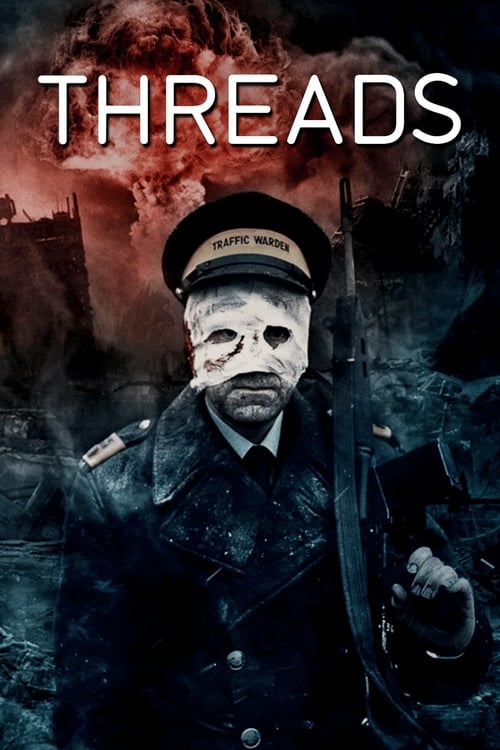
Threads
1984
No user ratings available yet
Representation score: 5.3 out of 10
Representation Score
Fair
1966
Director
Peter Watkins
Runtime
48 minutes
Average Rating
No ratings yetNew Showbiz Analysis
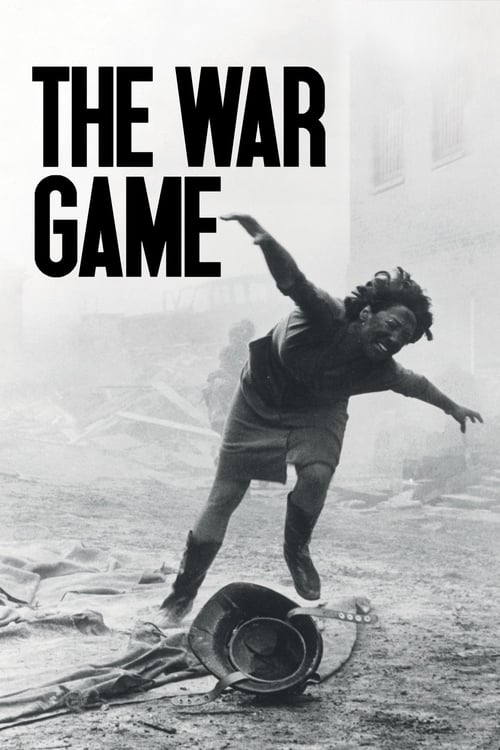
The War Game serves mainly as a critique of the system rather than a focus on individual identity. It breaks down the perceived stability of the British state by depicting the total collapse of military, government, and medical institutions under nuclear attack. Though the film lacks specific representation for LGBTQ+ individuals or diverse ethnic groups, it still provides a strong cultural critique. It questions Western dominance and the social contract by portraying the state as the cause of human suffering. Ultimately, the film's impact lies in its refusal to offer moral comfort. It replaces traditional social structures with a bleak landscape of biological and societal decay.
Category Breakdown
The film does not include any LGBTQ+ characters or stories about people whose gender doesn't match what they were assigned at birth. It focuses solely on the biological and social impacts of a major disaster.
Gender roles are shown neutrally, as the disaster affects everyone equally. It avoids traditional protector roles by highlighting the inability of male-dominated military and police institutions to handle the crisis.
The cast is mostly made up of people from similar backgrounds, reflecting the 1960s British setting. It does not have diverse ethnic identities or intentional efforts to include various backgrounds.
The film effectively challenges the idea of Western institutions as authoritative. It shows government, patriotism, and religion as ineffective in providing comfort or order during a nuclear crisis.
Physical injuries and radiation sickness are shown as proof of systemic failures. However, the film does not explore these issues through individual experiences or neurodiversity.
Present on Screen
Limited or Absent
Official Synopsis
A hypothetical Chinese invasion of South Vietnam triggers a new world war between East and West. In Rochester, Kent, the anticipation of a nuclear attack leads to mass evacuations. When a stray missile explodes, the ensuing firestorm blinds all those who see it. It's not long before the fabric of society is ripped apart from radiation poisoning, a lack of infrastructure and rioting for food and other necessities.
1984
1986

1987
1964
1982
1983
1998
1983
No reviews yet. Be the first to share your thoughts on this movie!
Use the rating form above to leave a star rating and optional review.