The Strange Case of the Cosmic Rays
1957
No user ratings available yet
Representation score: 0.8 out of 10
Representation Score
Limited
1952
Not RatedDirector
Anthony Rizzo
Runtime
9 minutes
Average Rating
No ratings yetNew Showbiz Analysis
Duck and Cover serves as a historical artifact of mid-century institutionalism rather than a character-driven narrative. Its primary purpose is to instill discipline and respect for government-sanctioned safety protocols during the early Cold War era. The film's structure is designed to reinforce social conformity and state authority. By focusing on a singular, standardized survival method, it avoids the complexities of identity in favor of a monolithic, instructional message. Ultimately, the work lacks the multi-layered complexity or character's ability to drive the story found in modern media. It functions as a tool for civil defense, prioritizing institutional guidance over diverse human experiences.
Category Breakdown
There are no visible LGBTQ+ identities represented in the film. Its focus on nuclear survival protocols does not include any development of queer or non-cisgender characters.
The film follows traditional 1950s gender roles and social hierarchies. It reinforces standard domestic and civic structures without challenging gender expectations or authority.
The instructional focus suggests a lack of consideration for diverse backgrounds. It presents a monolithic view of the citizen archetype, reflecting the homogeneous demographic norms of 1952.
The work promotes traditional Western institutions and state authority. It emphasizes patriotism and civic obedience, reinforcing a singular, state-mandated reality regarding survival and duty.
The film assumes a baseline of physical and cognitive uniformity. It lacks characters with diverse physical or sensory needs, focusing instead on a standardized physical response.
Present on Screen
Limited or Absent
Official Synopsis
An instructional short aimed at school-aged children of the early 1950s that combines animation and live-action footage with voice-over narration to explain what to do to increase their chances of surviving the blast from an atomic bomb.
1957
1986
1952
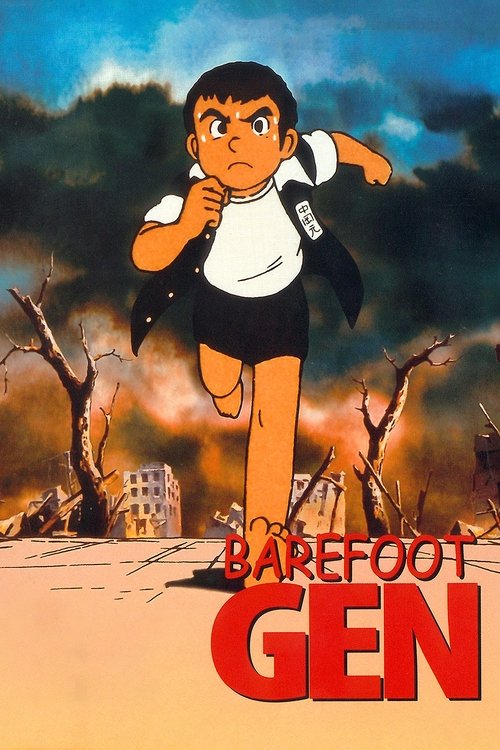
1983
1957
1991
1991
1991
No reviews yet. Be the first to share your thoughts on this movie!
Use the rating form above to leave a star rating and optional review.