The Hole
1962
No user ratings available yet
Representation score: 3.2 out of 10
Representation Score
Limited
1985
Director
Richard Condie
Runtime
10 minutes
Average Rating
No ratings yetNew Showbiz Analysis
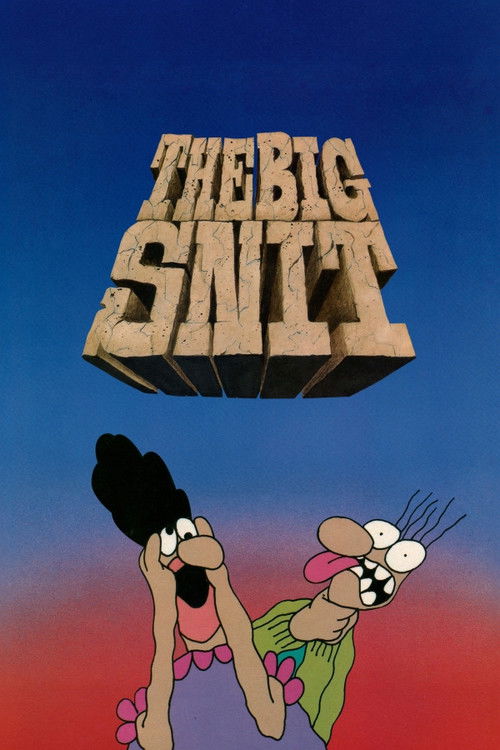
The Big Snit is a work of high stylistic intentionality that prioritizes postmodern absurdity over demographic representation. It functions as an anti-establishment critique, juxtaposing petty domestic squabbles with the catastrophe of nuclear war. While the film lacks meaningful engagement with LGBTQ+, disability, and multi-layered themes, it effectively deconstructs traditional social pillars. It replaces the idea of a stable, sacred domestic unit with a chaotic, relativistic perspective on human existence.
Category Breakdown
The film does not depict any LGBTQ+ identities or queer-coded narratives. Character dynamics focus solely on a traditional heterosexual relationship.
The story deconstructs the idealized domestic unit by highlighting a dysfunctional, argumentative couple. However, it does not address broader issues of gender-based power dynamics.
Characters have stylized, non-distinct designs without specific racial or ethnic identifiers. The homogeneous domestic setting does not challenge Western-centric norms through casting.
The film uses postmodern absurdity to critique human institutions and triviality. It prioritizes a secular, existentialist framework over religious or patriotic moralities.
There are no visible or invisible disabilities portrayed. Characters are presented as neurotypical, with no themes regarding physical or mental health explored.
Present on Screen
Limited or Absent
Official Synopsis
A couple has a fight over a game of Scrabble unaware that a full-scale nuclear war has started.
1962
1959
1968
1986
1958
1984

1965
1956
No reviews yet. Be the first to share your thoughts on this movie!
Use the rating form above to leave a star rating and optional review.