
Man in Hiding
1971
No user ratings available yet
Representation score: 3.5 out of 10
Representation Score
Limited
1986
Director
Fernando Fernán Gómez
Runtime
99 minutes
Average Rating
No ratings yetNew Showbiz Analysis
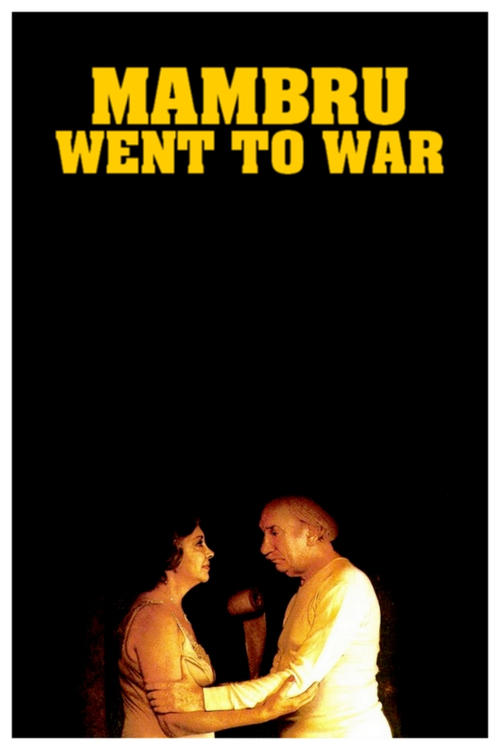
Mambru Went to War is a sharp critique of institutional power that favors thematic subversion over modern diversity. By using an absurdist framework, the film effectively dismantles the romanticized image of the heroic soldier, presenting a picture of systemic incompetence. While the film lacks diversity in terms of gender, race, and LGBTQ+ identities, it excels in cultural commentary. It challenges the sanctity of state structures and the senselessness of institutionalized violence through the eyes of the common person. Ultimately, the film is a period-specific exploration of how individuals are crushed by the gears of conflict. It prioritizes a critique of nationalism and authority over a diverse cast of characters.
Category Breakdown
The film focuses on male camaraderie within a military setting and does not include any non-straight or non-cisgender identities or intimate relationships between men.
The story centers on the male experience of being drafted into military service. Women appear in domestic or reactionary roles and have little influence over the main military conflict.
The cast is mostly made up of people from similar backgrounds, reflecting the demographics of the Spanish Civil War era. The film focuses on local socioeconomic issues.
The film excels at criticizing traditional Western institutions. It uses absurdity to challenge nationalist narratives and portrays military machinery as incompetent and destructive.
The story explores the psychological impact of war and the loss of innocence. However, it does not specifically depict disabilities or give characters with disabilities significant roles.
Present on Screen
Limited or Absent
Official Synopsis
After the death of dictator Francisco Franco, Florentina gives her family shocking news.
1971

2011

2008

1985
1992
1989
1987

1989
No reviews yet. Be the first to share your thoughts on this movie!
Use the rating form above to leave a star rating and optional review.