
Katzelmacher
1969
No user ratings available yet
Diversity score: 6.1 out of 10
1966
Director
Rainer Werner Fassbinder
Runtime
11 minutes
Average Rating
No ratings yetSynopsis
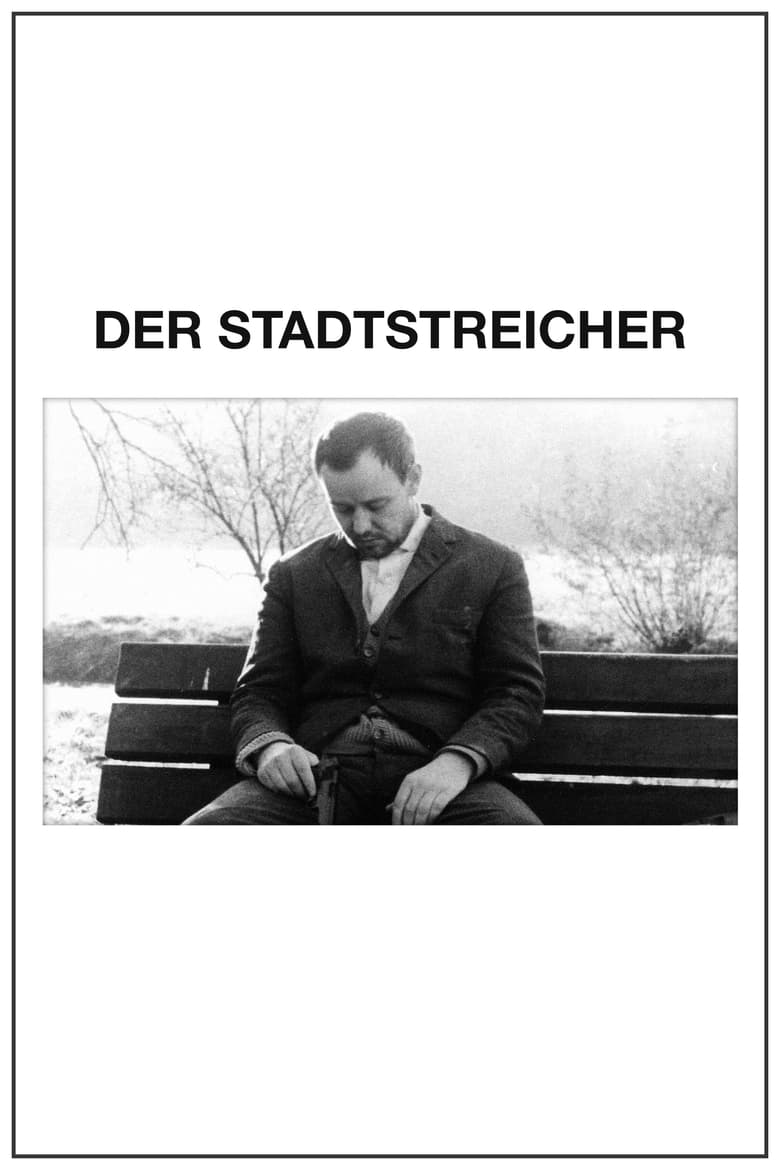
A tramp finds a gun lying in the street.
Overall Score
Fair
Category Breakdown
LGBTQ+ Representation
The film explores non-traditional social bonds and marginalized identities. While it lacks explicit depictions of same-sex intimacy, it utilizes queer subtext to challenge heteronormative structures.
Gender Representation
Fassbinder disrupts conventional gendered leadership by portraying masculine authority as fragile. Female characters often navigate complex emotional landscapes with significant intellectual and survivalist agency.
Racial & Ethnic Diversity
The cast and setting reflect the demographic realities of 1960s West Germany. The narrative focuses on class-based stratification rather than significant racial blending or non-white casting.
Religious & Cultural Diversity
The film excels by critiquing established social institutions and capitalism. It centers a protagonist existing outside the productive cycle to highlight systemic indifference and moral relativism.
Disability Representation
The protagonist's status as a tramp serves as a metaphor for social marginalization. However, the film risks using social displacement as a device rather than providing specific agency.
Strengths
Areas for Improvement
AI Analysis
The City Tramp is a sophisticated interrogation of systemic structures rather than a celebration of specific identities. Fassbinder uses the protagonist's outsider status to deconstruct urban social hierarchies and the instability of traditional roles. While the film lacks demographic breadth in terms of race and explicit disability representation, it achieves high marks for cultural critique. It effectively challenges Western institutionalism and the concept of civic order. The work functions as a thematic exploration of how systems define the individual, prioritizing a critique of capitalism and social stratification over overt identity politics.
1969
1972
1975
1972
1970
1946
1970
1974

1999
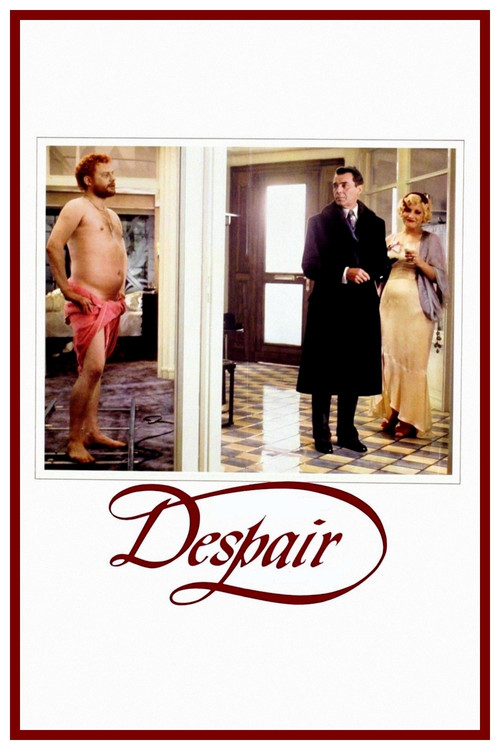
1978
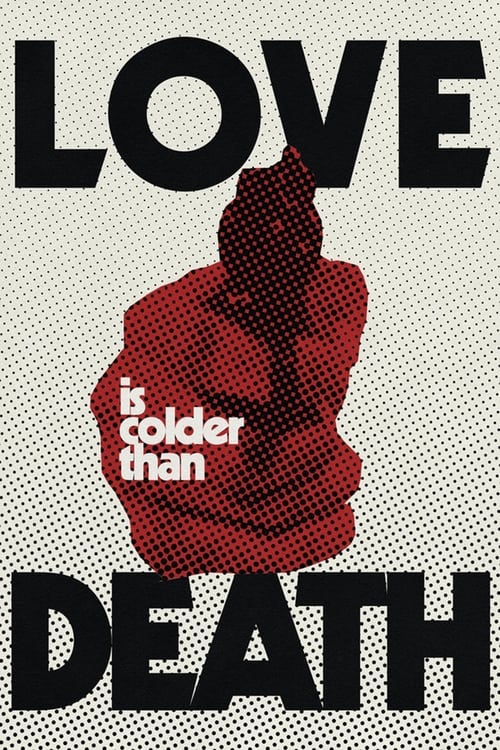
1970
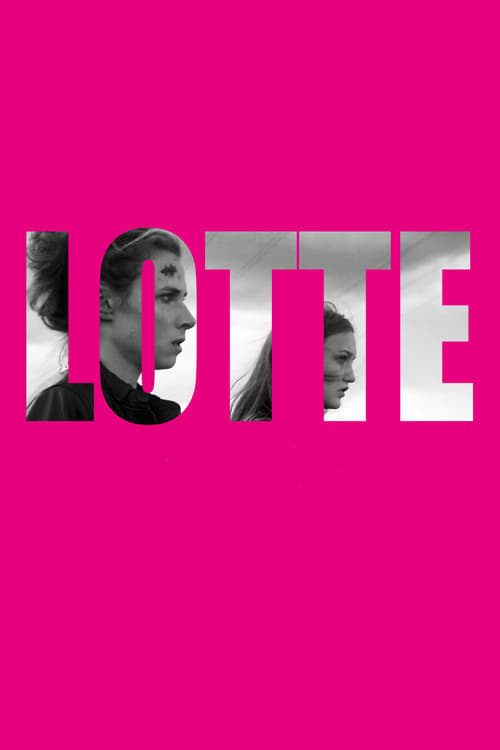
2016
No reviews yet. Be the first to share your thoughts on this movie!
Use the rating form above to leave a star rating and optional review.