
Ret
2015
No user ratings available yet
Diversity score: 4.1 out of 10
2015
Director
Barış Atay
Average Rating
No ratings yetSynopsis
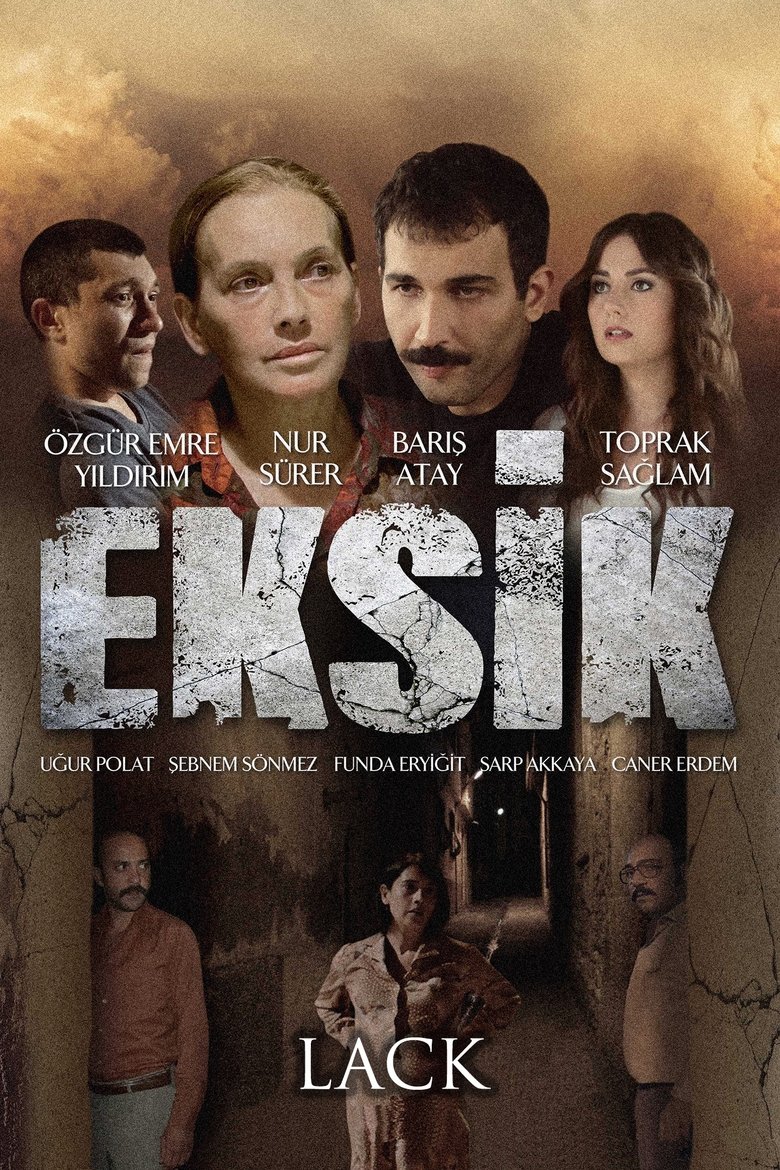
Thirty years after the 1980 coup, the paths of a family whose lives were shattered cross again. Deniz and Devrim, two siblings who never knew each other and were forced to grow up separately, reunite with their mother, Melek. Each of them harbors anger and longing that they have kept hidden for years. The three will revisit the past, confront each other for the first time in their lives, and try to piece the broken pieces back together.
Overall Score
Fair
Category Breakdown
LGBTQ+ Representation
The film focuses on familial reunification and the trauma of political separation. While it does not explicitly confirm non-cisnormative identities, the themes of hidden anger suggest a departure from sanitized family portraits.
Gender Representation
Melek provides a central point of female agency. The narrative prioritizes her emotional and psychological labor over traditional patriarchal leadership often found in historical coup dramas.
Racial & Ethnic Diversity
As a Turkish production, the film operates within a localized ethnic framework. It focuses on the specific socio-political identity of a population impacted by domestic political shifts.
Religious & Cultural Diversity
The film engages deeply with systemic critique by framing the 1980 coup as a catalyst for family destruction. It prioritizes the subjective experience of victims over institutional myths.
Disability Representation
There is no specific evidence regarding the portrayal of physical or neurodivergent disabilities within the narrative.
Strengths
Areas for Improvement
AI Analysis
Eksik is a character-driven historical drama that examines the long-term sociological repercussions of the 1980 Turkish coup. By centering on the reunion of Deniz, Devrim, and Melek, the film explores how state-driven political upheaval dismantles the traditional family unit. The narrative subverts the trope of the stable family, instead presenting the domestic sphere as a site of fragmentation. It shifts the focus from nationalistic glorification to the psychological aftermath of systemic disruption. While the film offers a sophisticated look at how institutional instability affects personal identity, it remains rooted in a specific national context with limited evidence of broader multi-ethnic or disability-focused representation.
No reviews yet. Be the first to share your thoughts on this movie!
Use the rating form above to leave a star rating and optional review.