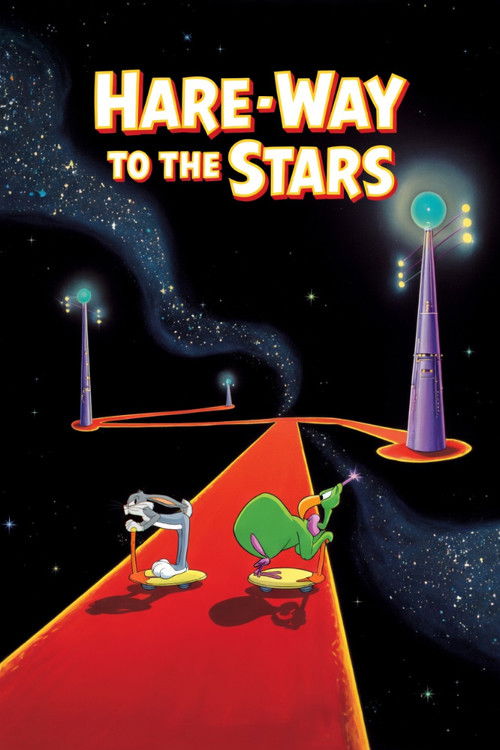
Hare-Way to the Stars
1958
No user ratings available yet
Representation score: 1.6 out of 10
Representation Score
Limited
1952
ApprovedDirector
Chuck Jones
Runtime
7 minutes
Average Rating
No ratings yetNew Showbiz Analysis
This Chuck Jones short is a quintessential example of mid-century studio animation, prioritizing physical gag humor and character psychology over social commentary. The narrative focuses on a survival struggle between Bugs Bunny and a scientist, functioning as a closed comedic loop. Due to its adherence to the uniform character standards of its time, the film lacks representation across nearly all identity markers. Characters serve as archetypes within a vacuum, emphasizing intellectual timing rather than cultural or social depth. Ultimately, the work reflects the compositional norms of 1952, presenting a narrow view of the world that does not challenge existing social hierarchies or engage with diverse perspectives.
Category Breakdown
The film does not include any LGBTQ+ characters or explore gender identity. Interactions between Bugs Bunny and the antagonist remain strictly non-romantic and without any sexual undertones.
The cast is made up entirely of male-coded anthropomorphic characters. Although the conflict is gender-neutral, the film lacks female presence and any subversion of traditional gender power structures.
The setting uses standard cartoon archetypes in a stylized environment. There is no indication of racial or ethnic diversity or any symbolic representation of different ethnicities.
The story relies on classic science fiction clichés, such as the evil scientist. It avoids engaging with religious, political, or systemic critiques of Western institutions.
Physical distress from flooding is used solely as a comedic plot device. The film lacks meaningful depictions of neurodivergence or characters with disabilities having significant influence.
Present on Screen
Limited or Absent
Official Synopsis
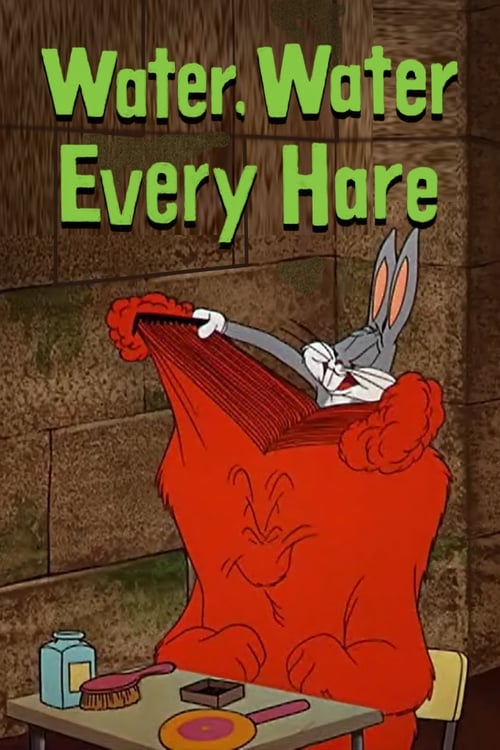
Bugs Bunny's rabbit hole floods, causing him to float to the laboratory of an evil scientist who wants to use his brain for a robot.
1958
1948
1946
1948
1943
1945
1955
1955
No reviews yet. Be the first to share your thoughts on this movie!
Use the rating form above to leave a star rating and optional review.