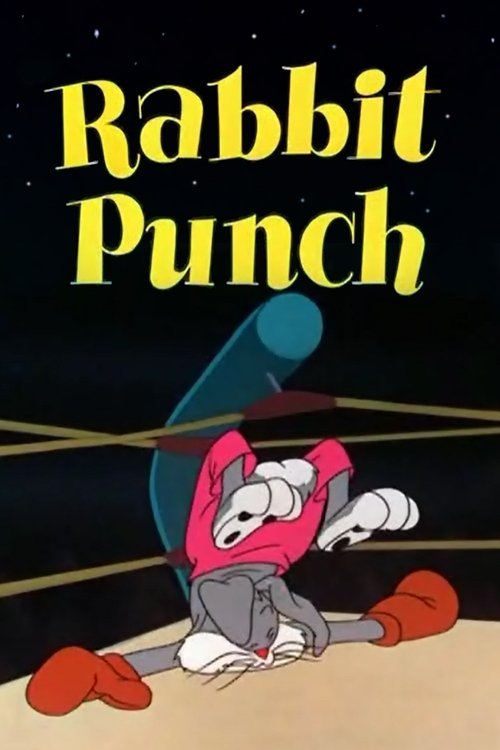
Rabbit Punch
1948
No user ratings available yet
Diversity score: 1.6 out of 10

1960
NRDirector
Chuck Jones
Runtime
7 minutes
Average Rating
No ratings yetSynopsis
Wile E. Coyote decides to cook and eat Bugs, but Bugs is on to his plan and tries to escape by acting looney.
Overall Score
Limited
Category Breakdown
LGBTQ+ Representation
The narrative follows a heteronormative pursuit centered on Bugs Bunny's attempts to impress a female counterpart. There is no evidence of queer subtext or non-cisnormative identities.
Gender Representation
Traditional gender roles define the film, with the female character acting as a passive observer. She serves as a catalyst for Bugs Bunny's actions but lacks significant plot agency.
Racial & Ethnic Diversity
The woodland setting features anthropomorphic animals that do not serve as proxies for racial or ethnic diversity. The cast remains homogeneous within its species.
Religious & Cultural Diversity
The film operates within mid-century American entertainment, focusing on slapstick rather than religious or political commentary. It lacks deconstructive or progressive social elements.
Disability Representation
Cartoon physics allow characters to endure extreme trauma without lasting consequence. This avoids depicting actual disability or providing meaningful representation of neurodivergence.
Strengths
Areas for Improvement
AI Analysis
Rabbit's Feat is a quintessential mid-20th-century animation that prioritizes physical comedy over social complexity. The narrative relies on established comedic tropes and traditional character archetypes that do not challenge existing social hierarchies. The work functions as a closed system of slapstick, largely insulated from socio-political discourse. It focuses on character-driven absurdity rather than exploring intersectional identities or diverse lived experiences. Ultimately, the film reflects the era's traditionalism, offering a narrow view of identity through its reliance on heteronormative dynamics and homogeneous character types.
1948
1955
1949
1953
1965
1958
1960
1996
1960
1946
1952
1948
No reviews yet. Be the first to share your thoughts on this movie!
Use the rating form above to leave a star rating and optional review.