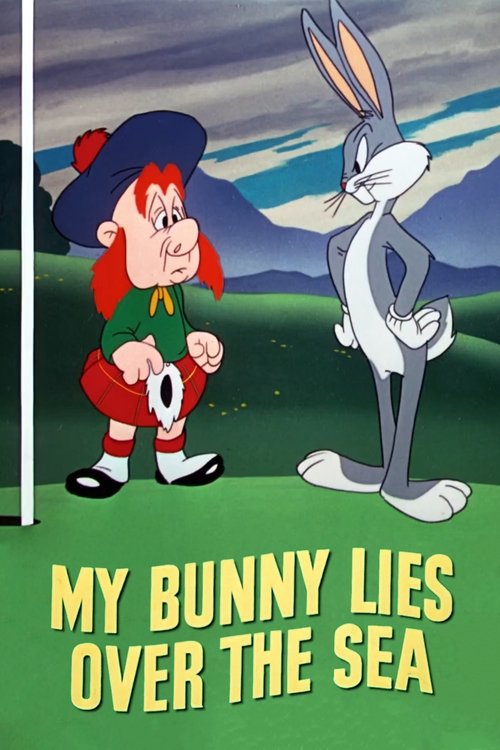
My Bunny Lies Over the Sea
1948
No user ratings available yet
Representation score: 1.8 out of 10

Representation Score
Limited
1949
NRDirector
Chuck Jones
Runtime
8 minutes
Average Rating
No ratings yetNew Showbiz Analysis
Long-Haired Hare is a classic animation from the Golden Age that follows traditional boundaries. It does not meet modern diversity standards as it does not engage with identity politics or diverse demographics. However, the film has symbolic value through its disruption of institutional order. The protagonist acts as a catalyst for chaos, challenging the perceived superiority of the conductor’s structured, hierarchical performance. Ultimately, the narrative emphasizes the disruptive individual over the rigid establishment, though it does not offer complex character studies.
Category Breakdown
The film features anthropomorphic animal characters without showing any non-traditional gender identities. The story focuses on the humorous conflict between the performer and the conductor.
Most characters are portrayed as male, following traditional mid-century stereotypes. The film does not challenge gender roles or power dynamics, focusing instead on professional authority.
The film does not address racial or ethnic identity. The cast is uniform, and the setting reflects a traditional Western cultural environment.
The film humorously critiques formal Western institutions. It highlights individualistic, anti-authoritarian behavior by presenting the protagonist as a disruptive force against rigid orchestration.
The film does not intentionally represent neurodivergence or physical disabilities. The protagonist's energetic behavior is presented as comedic chaos rather than a meaningful exploration of lived experience.
Present on Screen
Limited or Absent
Official Synopsis
Bugs Bunny vs. a famous opera singer at the Hollywood Bowl.
1948
1948
1948
1997

1946

1941
1940
1945
No reviews yet. Be the first to share your thoughts on this movie!
Use the rating form above to leave a star rating and optional review.