The Jewel of the Nile
1985
No user ratings available yet
Representation score: 1.7 out of 10
Representation Score
Limited
1966
ApprovedDirector
Stanley Donen
Runtime
105 minutes
Average Rating
No ratings yetNew Showbiz Analysis
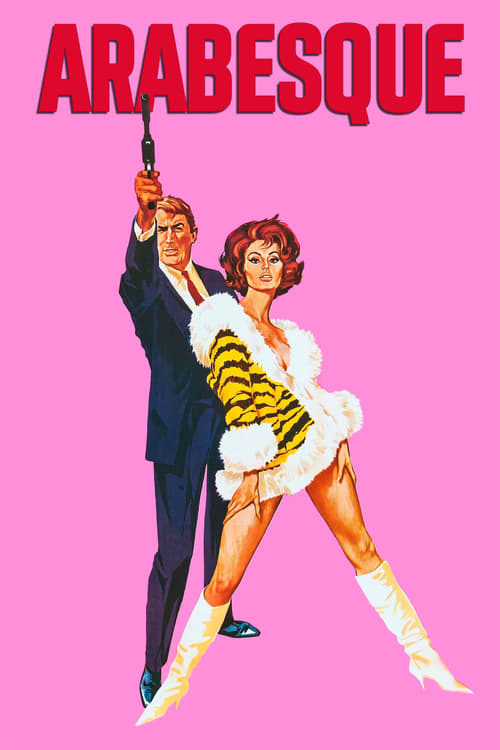
Arabesque functions as a polished, cosmopolitan thriller that leans into the sophisticated aesthetics of the mid-1960s. Its diversity is found in its casting rather than its social commentary. The inclusion of Omar Sharif provides a level of ethnic breadth that was uncommon for Hollywood productions of this period. However, the film remains firmly rooted in Western hegemony. It celebrates affluent lifestyles and relies on established academic and legal institutions, offering little critique of the status quo. While the female lead displays a significant role in driving the story, the film does not engage with queer identities or systemic social issues. Ultimately, the film is an escapist genre piece. It succeeds in providing a more international feel through its talent, even if it stays within the bounds of traditional social and political norms.
Category Breakdown
The film does not include any LGBTQ+ characters or explore non-straight relationships. Romantic tension is limited to traditional heterosexual relationships within the context of the 1960s.
Yasmin Azir provides a nuanced portrayal of female empowerment. She navigates political conspiracies with independence, subverting the typical damsel in distress archetype through her intelligence.
Casting Egyptian actor Omar Sharif in a leading role offers a notable departure from era standards. This choice integrates a globalized perspective into the mystery.
The narrative is deeply embedded in Western, high-society frameworks. It reinforces traditional social hierarchies and relies on Western institutions like Oxford University to resolve conflicts.
There are no prominent depictions of physical or neurodivergent disabilities. Such traits do not serve as central drivers for the characters or the plot.
Present on Screen
Limited or Absent
Official Synopsis
When a plot against a prominent Middle Eastern politician is uncovered, David Pollock, a professor of ancient hieroglyphics at Oxford University, is recruited to help expose the scheme. Pollock must find information believed to be in hieroglyphic code and must also contend with a mysterious man called Beshraavi. Meanwhile, Beshraavi's lover, Yasmin Azir, seems willing to aid Pollock -- but is she really on his side?
1985

1964
1951

1964
1969

1960
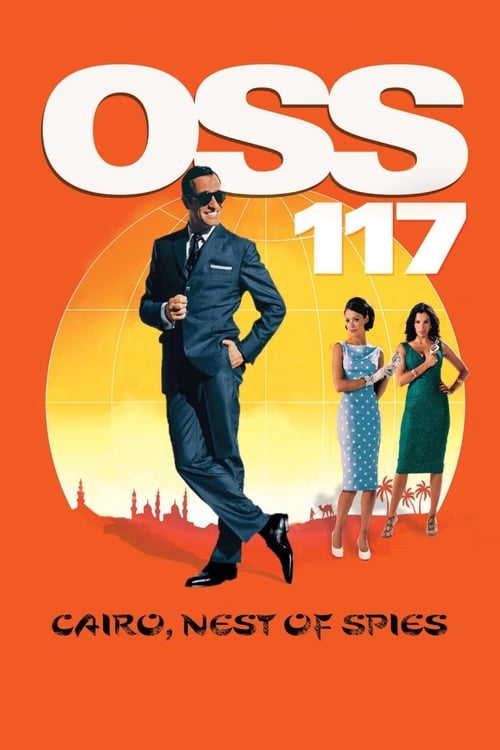
2006
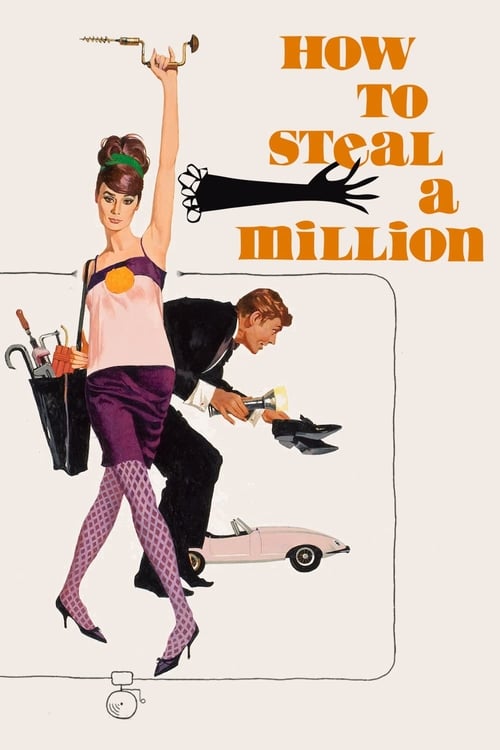
1966
No reviews yet. Be the first to share your thoughts on this movie!
Use the rating form above to leave a star rating and optional review.