Ball at Savoy
1936
No user ratings available yet
Representation score: 2.0 out of 10
Representation Score
Minimal
1939
Director
Alessandro Blasetti
Runtime
105 minutes
Average Rating
No ratings yetNew Showbiz Analysis
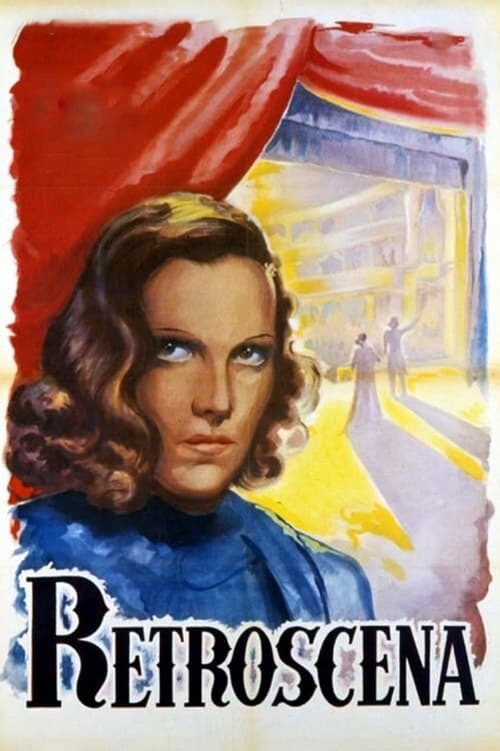
Retroscena is a period-typical romantic comedy that upholds the social and cultural hierarchies of 1930s Italy. The narrative structure relies on traditional clichés of professional success and romantic courtship. The film serves as a reflection of the era's institutional stability. It adheres to established norms regarding gender and identity, presenting a story centered on high-culture prestige rather than social disruption. Ultimately, the work lacks the structural elements necessary to challenge conventional expectations of systemic power or diverse identities, remaining firmly within the era's standard demographic presentation.
Category Breakdown
The film follows a typical romantic storyline between a baritone and a female pianist. It does not include any characters with non-binary gender identities or narratives that challenge the assumption that everyone is straight or cisgender.
The story centers around a male protagonist's professional and romantic struggles. While the female pianist holds professional importance, the male singer drives the main conflict and resolution of the story.
The cast and narrative focus appear predominantly homogeneous. There is no indication of multicultural blending or the inclusion of non-European identities within this 1939 production.
The film highlights Western high-culture institutions such as the opera and classical music. It emphasizes professional merit and artistic status within established European social hierarchies.
The narrative does not feature characters navigating physical, sensory, or neurodivergent experiences.
Present on Screen
Limited or Absent
Official Synopsis
Called to perform at the Scala, a young baritone begins a transatlantic romance with a famous pianist. The singer, having been skewered by a critic after his last performance in Milan, attempts to find a way to win over the audience and the critics, while wooing his love interest.
1936

1937
1949
1937

1934
1934
1936
1934
No reviews yet. Be the first to share your thoughts on this movie!
Use the rating form above to leave a star rating and optional review.