
Das Lied der Nachtigall
1944
No user ratings available yet
Representation score: 1.3 out of 10
Representation Score
Limited
1944
NRDirector
Arthur Ripley
Runtime
85 minutes
Average Rating
No ratings yetNew Showbiz Analysis
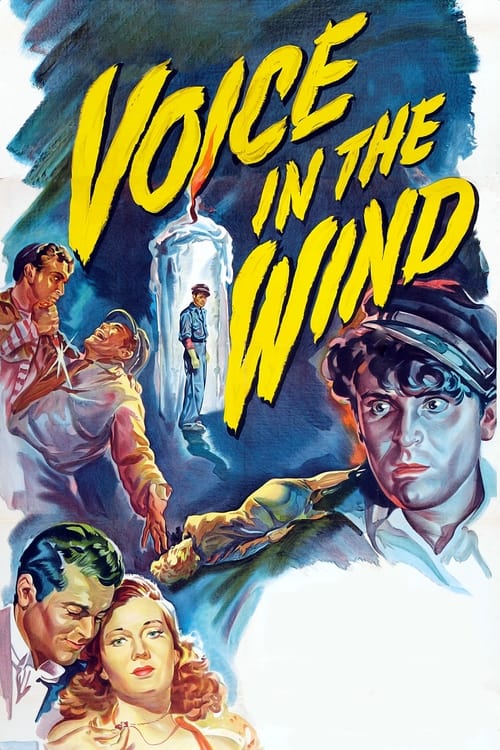
Voice in the Wind is a mid-century psychological drama that emphasizes individual trauma over broader social representation. The narrative centers on a male protagonist dealing with the aftermath of systemic violence, providing a narrow perspective on psychological disabilities. While the setting offers potential for cultural richness, the film remains focused on European-centric experiences. The absence of visible female characters or LGBTQ+ identities limits its demographic scope. Ultimately, the film serves as a character study of existential displacement. It tackles heavy themes of institutional corruption and trauma but lacks the multi-layered breadth found in more diverse works.
Category Breakdown
There are no visible signs of LGBTQ+ identities or same-sex relationships in the film. The narrative does not address issues related to the assumption that everyone is straight or cisgender.
The story revolves around a male protagonist, a former concert pianist. There is no information about the roles or presence of female characters to assess gender dynamics.
Although the Guadalupe setting suggests a non-Anglo-Saxon background, the focus remains on European-centric trauma. There is no indication of a diverse cast or characters with significant roles.
The film explores the consequences of systemic oppression through the lens of Nazi torture. However, it focuses more on individual suffering than on broader sociopolitical issues.
The protagonist's history of torture introduces themes of psychological trauma and mental health struggles. It is unclear whether these themes are portrayed with depth or used merely as plot devices.
Present on Screen
Limited or Absent
Official Synopsis
Former concert pianist, victim of Nazi torture, pursues a confused, melancholic existence on the island of Guadalupe.
1944

1956
1953
1959

1942
1947
1995

1960
No reviews yet. Be the first to share your thoughts on this movie!
Use the rating form above to leave a star rating and optional review.