The Maestro
2018
No user ratings available yet
Representation score: 4.0 out of 10
Representation Score
Limited
1995
Director
Hilmar Oddsson
Runtime
110 minutes
Average Rating
No ratings yetNew Showbiz Analysis
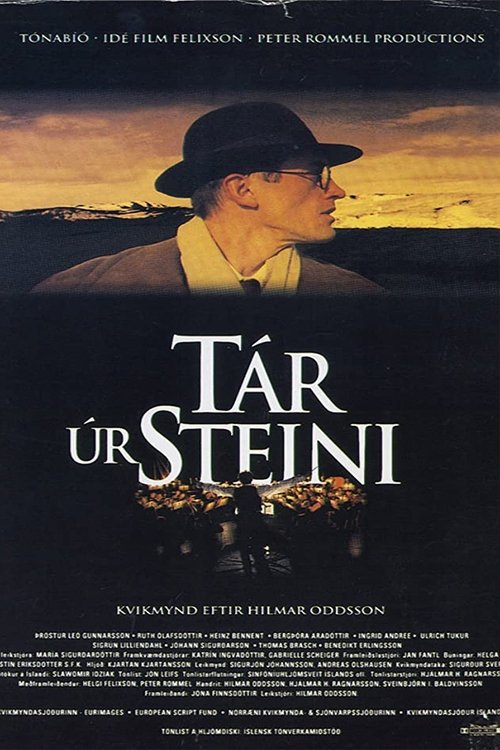
Tears of Stone is a biographical period drama that emphasizes historical realism over modern inclusive representation. It captures the specific demographic and social constraints of the 1930s through the life of composer Jón Leifs. The film successfully examines the tension between individual creative expression and rigid cultural institutions. It offers a nuanced perspective on national identity and the pressures of the era's musical establishment. However, the narrative remains confined by its historical setting, resulting in limited representation of diverse identities. The focus on traditional social hierarchies and homogeneous European demographics restricts its range of representation.
Category Breakdown
The film focuses on the marriage between Jón Leifs and Annie. There is no indication of LGBTQ+ identities or same-sex relationships, reflecting the societal norms of the 1930s.
Annie is shown as a talented concert pianist with significant influence in her career. However, her character is primarily defined by her marital relationship and her father's industrialist status.
The story centers on Icelandic and German communities during the mid-20th century. The cast likely mirrors the homogeneous population of Northern Europe during that time.
The narrative explores the conflict between individual artistry and established musical institutions. It delves into national identity and cultural gatekeeping in pre-WWII Europe.
The film does not provide any depiction of physical disabilities, neurodivergence, or mental health conditions.
Present on Screen
Limited or Absent
Official Synopsis
About Icelandic composer Jon Leifs (1899-1968) who spent much of his life in Germany before WWII. The film begins in the 1930s after he has married the daughter of an industrialist, Annie, who is also a concert pianist. This era was frustrating for Leifs because his works were seldom performed. Iceland's submission for the Academy Award for Best Foreign Language Film in 1995
2018
1981
1992
1998
2003
1991
1992
1980
No reviews yet. Be the first to share your thoughts on this movie!
Use the rating form above to leave a star rating and optional review.