
Strange Circus
2005
No user ratings available yet
Representation score: 7.2 out of 10
Representation Score
Limited
1964
Director
Tetsuji Takechi
Runtime
74 minutes
Average Rating
No ratings yetNew Showbiz Analysis
Tetsuji Takechi’s film is a work of psychological expressionism that prioritizes intense emotional and mental states over social critique. While it breaks traditional narrative pacing with its avant-garde style, it does not engage deeply with diverse identities or challenge systemic hierarchies. The narrative delves into the internal lives of characters within a specific historical context, focusing on lurid, eroticized experiences rather than broader societal issues. Ultimately, the film's strength lies in its stylistic approach rather than its social impact. It adheres closely to the cultural and gender norms of its time, emphasizing personal obsession over systemic change.
Category Breakdown
The film emphasizes eroticism and psychological obsession but does not provide clear examples of non-straight or non-cisgender identities. The desire remains confined to the protagonist's specific obsessions, upholding the assumption that everyone is straight or cisgender.
Female characters play important, psychologically complex roles without being completely submissive. However, the story mainly revolves around the male protagonist's psychological breakdown and often aligns with the male perspective.
With an all-Japanese cast set in a period context, the film maintains cultural uniformity. It functions as a historically specific drama without challenging ethnic norms.
The film focuses on the subjective psychological journey of individuals rather than religious or moral rules. It uses the Edo-period setting to explore personal decline without critiquing traditional institutions.
There is no significant depiction of physical or neurodivergent disabilities in the film.
Present on Screen
Limited or Absent
Official Synopsis
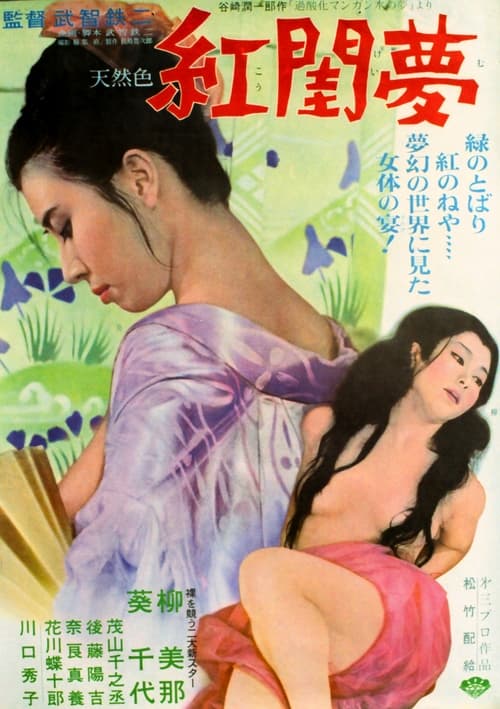
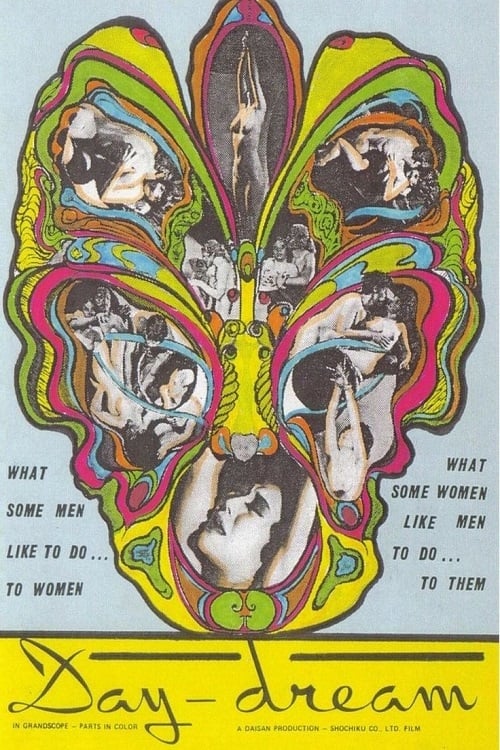
Tetsuji Takechi's third film is based on two short stories by Jun'ichirō Tanizaki. The film depicts the lurid and violently erotic dreams of a writer, his wife and his sister, after having spent a night out drinking and visiting sex shows. It underwent extensive censorship before the government would allow it to be released. About 20% of the film's original content was cut and this footage is now considered lost.
2005
1978
1981
1964
1965

1969
1975

1979
No reviews yet. Be the first to share your thoughts on this movie!
Use the rating form above to leave a star rating and optional review.